
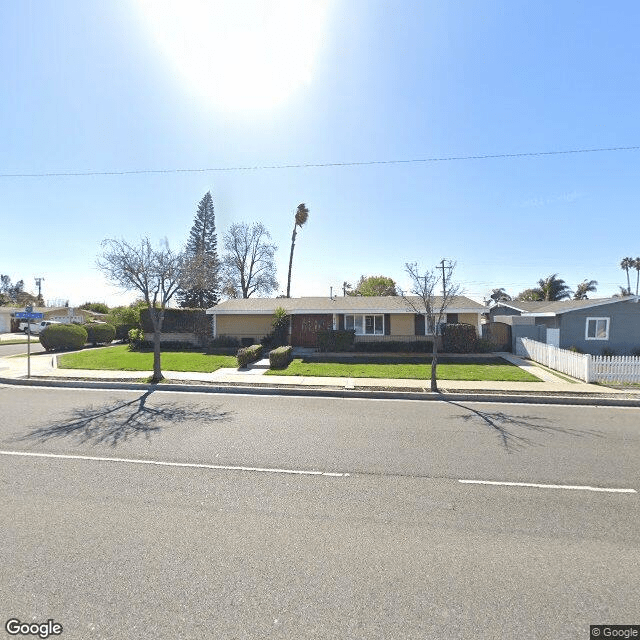
816 East Meats Avenue, Orange, CA 92865
For more information about senior living options: (866) 208-4318
Agape Orange Home Costs & Pricing
Agape Orange Home offers a range of accommodation options that reflect its commitment to quality care, though pricing varies significantly when compared to both Orange County and the broader California market. For instance, the cost for a studio apartment at Agape is $4,000 per month, which is slightly lower than the county average of $4,313 but higher than the state average of $4,145. In contrast, their semi-private rooms are priced at $4,499, which exceeds both the county's and state's averages - $3,431 and $3,333 respectively. Lastly, private room accommodations at Agape are positioned at $5,599 per month, standing in stark contrast to local and state figures of $4,104 and $3,939. Overall, while certain room types may offer competitive pricing relative to the region's averages, others do indicate a premium associated with the specialized care services provided by Agape Orange Home.
| Floor plans | Agape Orange Home | Orange County | California |
|---|---|---|---|
| Studio | $4,000 | $4,313 | $4,145 |
| Semi-Private | $4,499 | $3,431 | $3,333 |
| Private | $5,599 | $4,104 | $3,939 |
Memory care communities with a similar price nearby
-
About the same
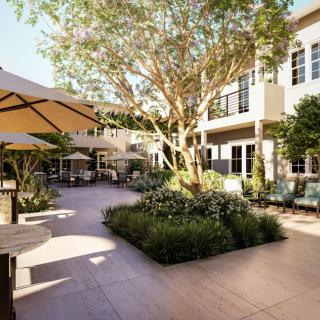
Cadence Brea
$3,995 to $5,500 / month6.9 miles away -
from -$500 / mo
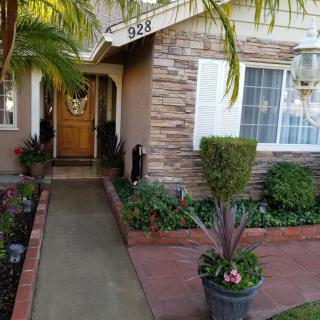
Comfort Keepers Home Care
$3,500 to $6,500 / month8.2 miles away -
from +$500 / mo
Heritage Senior Home Care
$4,500 to $4,800 / month20.3 miles away -
from +$500 / mo
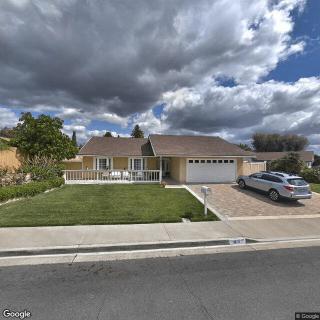
Casa Bella
$4,500 / month1.2 miles away -
About the same
Active Senior Home Care
$4,000 to $5,000 / month17.5 miles away
Overall Review of Agape Orange Home
Pros
 They are very happy with all of the people at Agape Orange Home.
- They find the staff to be caring and to feel like family.
- Residents and families are treated with care and as if they were family.
- They would highly recommend this facility to others.
Review
Agape Orange Home in Orange, CA is best suited for families that prize a warm, family-like caregiving culture over flashy amenities or clinical intensity. The environment and staff interactions convey a sense of genuine affection, with caregivers who invest emotionally in residents and keep families in the loop. This is a place where residents are not treated as anonymous units but as people whose histories, likes, and concerns matter to the daily rhythm. For seniors who want consistent, attentive presence from the same caregivers and a homey atmosphere that emphasizes belonging, this community delivers notably strong alignment with those priorities.
However, families evaluating options for higher medical acuity or specialized care may want to consider alternatives. The standout review centers on warmth and personal attention, with no explicit reporting of advanced clinical programs, dementia-specific pathways, or on-site medical services beyond routine staff care. If a loved one has complex medication needs, requires frequent physician oversight, or demands highly structured activity schedules tied to clinical goals, a community with documented clinical depth and more formal care protocols would be worth exploring. In short, warmth is the standout strength; clinical breadth and programmatic depth are elements to confirm elsewhere.
From the strongest positive signals, the leading pro is unmistakable: staff who feel like family to both residents and their families. The testimony highlights caring, loving interactions and a culture in which empathy is tangible every day. This emotional foundation can offset the absence of details about fancy amenities or extensive programming because it directly enhances quality of life, mood, and the sense of security families seek when entrusting a loved one to care. In practice, that human connection often translates into steadier routines, fewer disruptions, and more transparent communication through visits and updates, which matters as much as any formal service.
That family-and-staff bond also feeds trust and justifies a clear recommendation from residents' advocates. When caregivers are described as treating families as if they were part of the same unit, it signals consistency, responsiveness, and a willingness to tailor care to individual needs. For seniors who value predictable, compassionate day-to-day interactions, these factors can outweigh uncertainties about other services that are not spelled out in the review. The risk is that without a broader picture of clinical capabilities, families must verify that the level of medical oversight aligns with their expectations; warmth alone does not replace clinical assurances.
Practical steps during a visit should prioritize transparency around staffing and daily life. Prospective families should ask about caregiver-to-resident ratios, staff qualifications and ongoing training, weekend coverage, and how quickly changes in a residentā€™s condition trigger care plan adjustments. Inquire about activities, nutrition oversight, medication administration processes, and how family communication is handled for events, updates, and concerns. Also push to see sample menus, daily schedules, and a tour that includes time with direct care staff and with residents themselves to gauge genuine engagement rather than scripted answers.
Overall, Agape Orange Home stands out for a warmth-driven approach that makes residents feel truly cared for and valued, a combination that matters deeply when choosing around-the-clock living arrangements. For families prioritizing emotional connection, reduced stress, and a home-like atmosphere, this community is a compelling option worth pursuing with a firsthand visit. For others who require more formal clinical support or a broader spectrum of specialized programs, it is prudent to compare with communities that spotlight medical oversight and dementia care pathways. The decisive move: schedule tours, ask pointed questions, and observe the day-to-day tone of interactions to determine if the family-like care will meet the loved one's needs as rigorously as anticipated.
 6 resident community capacity
 Assisted Living
 Board and Care Home
 Hospice Agency
 Memory Care
 Activities on-site
 Beautician on-site
 Cable or satellite TV
 Devotional services on-site
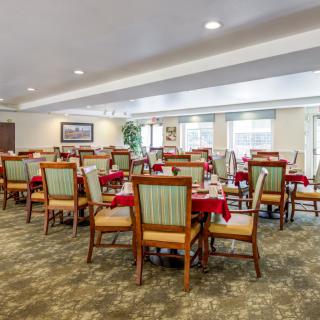
 Dining room
 Fully furnished
 Garden
 Housekeeping services
 Indoor common areas
 Move-in coordination
 Outdoor common areas
 Private
 Telephone
 Wheelchair accessible showers
 Wi-Fi/high-speed internet available
 John Wayne Orange Co (10 miles away)
 24-hour supervision
 Assistance with bathing
 Assistance with dressing
 Assistance with transfers
 Diabetes diet
 Incontinence care
 Meal preparation and service
 Medication management
 Mental wellness program
 Special dietary restrictions
 Transportation arrangement (medical)
 Transportation to doctors appointments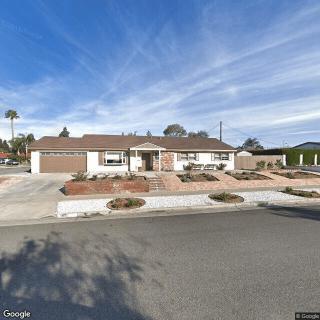

 Understanding Dementia Through Its Seven Stages: A Comprehensive Look at Progression and Expectations
 A Holistic Dementia Care Guide: Effective Strategies for Memory Support
 Comprehensive Insights into Activities of Daily Living (ADLs) and Their Assessment