
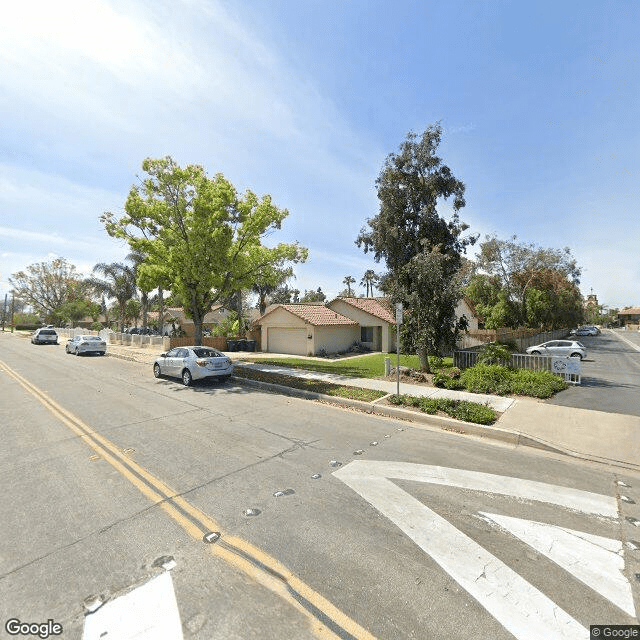
1824 North Shaffer Street, Orange, CA 92865
For more information about senior living options: (866) 208-4318
The Orange Manor Costs & Pricing
The Orange Manor offers competitive pricing for its accommodations, particularly when compared to both Orange County and the broader California market. For a semi-private room, residents pay $2,500 per month, significantly lower than the county average of $3,431 and the state average of $3,333. Similarly, those opting for a private room will find The Orange Manor's rate of $2,800 to be quite favorable against Orange County's typical cost of $4,104 and California's average of $3,939. This positions The Orange Manor as an appealing choice for individuals seeking quality care at more accessible rates within a vibrant community.
| Floor plans | The Orange Manor | Orange County | California |
|---|---|---|---|
| Semi-Private | $2,500 | $3,431 | $3,333 |
| Private | $2,800 | $4,104 | $3,939 |
Assisted Living communities with a similar price nearby
-
from +$300 / mo
Leah Loving Elderly Care
$2,800 to $3,000 / month9.2 miles away -
from +$200 / mo
Loving Care Senior Home
$2,700 to $3,500 / month10.7 miles away -
from +$350 / mo
Alternative Senior Care - Freshwater
$2,850 to $3,250 / month12.5 miles away -
from +$300 / mo

Bianca's Home Care
$2,800 to $3,400 / month23.4 miles away -
from +$200 / mo

The Golden Years Guest Home
$2,700 to $3,500 / month5.1 miles away
Overall Review of The Orange Manor
Pros
 The community is very lovely.
- The staff are genuine, friendly, and accommodating.
- They treat residents like a family.
- Everything at The Orange Manor has been wonderful.
- The staff at Orange Manor is exceptional.
- The main cook at The Orange Manor is excellent.
- Other residents are kind and smiling.
Cons
 Orange Manor did not work out for the family.
- After two months of trying to work with them, they had to move their mother to a facility that could care for an active 95-year-old needing exercise and mental stimulation.
- The reviewers noted that most residents were immobile and could not communicate.
- They claimed restraints and medications were used to control their mother and that she was forced to comply with the facility's schedules, resulting in physical and emotional setbacks.
- Orange Manor did not meet the family's requested requirements.
- The reviewers believed the review would be deleted because there were only 2–3 positive reviews on the website.
Review
The Orange Manor is best suited for seniors who want a warm, home-like atmosphere where staff treat residents as family and daily routines are predictable. This is not a high-activity, clinical setting; it’s a place where dependable basics, nutritious meals, hygiene, safety, and gentle oversight, are the core strengths. Families prioritizing kindness, respectful communication, and a sense of belonging will find comfort in the consistent, friendly culture. For residents who do not require a wide menu of structured programs or aggressive engagement, Orange Manor offers a steady, low-stress environment with a human-centered touch.
But there are clear alternatives to consider. Those with an active, cognitively engaged elder who needs ongoing exercise, mental stimulation, and robust activity calendars should look elsewhere. If safety protocols, autonomy, and flexible, therapy-forward programming are nonnegotiables, another community may better meet these expectations. In short, this community excels at warmth and basic care, yet it may fall short for residents who require intensive activity, rehab-like services, or a highly adaptive plan for evolving needs.
The strongest pros, exceptional staff, thoughtful transition support, and a genuinely family-like, respectful culture, often offset much of the day-to-day caregiving needs. Residents are described as being treated with utmost respect, and the staff’s caring, understanding approach helps families feel supported during transitions. The warmth, combined with reliable basic care and social comfort, makes a tangible difference for seniors who prioritize companionship, dignity, and consistent attention over clinical intensity. These strengths keep the experience positive for many, even as caveats around activity and programming remain.
Mealtime and nourishment emerge as a consistent bright spot. Reviews repeatedly note that the main cook delivers quality meals that residents enjoy, and that food becomes a social, comforting anchor within the day. The community vibe, neighbors and staff sharing smiles, reinforces a sense of belonging and safety. The trade-off, however, is a relatively modest activity slate. For seniors who thrive on variety, ongoing classes, or regular movement and engagement, the absence of a robust calendar can dull long-term satisfaction, even as meals and atmosphere stay appealing.
Two reviews dramatically complicate the picture. A strongly negative experience describes a setting where residents are immobile, restrained, and controlled by rigid schedules, with physical and emotional setbacks as a consequence. This red flag is not incidental; it signals potential gaps in autonomy, activity planning, and resident-rights safeguards. While other families praise kindness and smooth transitions, these warnings cannot be dismissed. Prospective residents should seek concrete, verifiable assurances about restraint policies, individualized activity plans, and ongoing opportunities for exercise and cognitive engagement to ensure a safe match.
Bottom line: The Orange Manor can be a strong fit for families prioritizing warmth, respect, and dependable daily care within a homelike environment. For those requiring active engagement, varied programming, or robust exercise and cognitive stimulation, or who want explicit protections around resident autonomy, exploring alternatives is prudent. A disciplined site visit is essential: request a current activity calendar, ask to review individual care plans, and meet direct caregivers. Probe how mobility, therapy, and personal preferences are integrated into the daily schedule, and seek out current resident and family references. If comfort, dignity, and a nurturing environment trump vigorous programming, Orange Manor delivers; if not, pursue a model with more comprehensive activity portfolios and stronger safeguards.
 6 resident community capacity
 Assisted Living
 Board and Care Home
 Cable or satellite TV
 Dining room
 Fully furnished
 Garden
 Housekeeping services
 Move-in coordination
 Outdoor space
 Private
 Telephone
 Wi-Fi/high-speed internet available
 John Wayne Orange Co (10 miles away)
 24-hour supervision
 Activities of daily living assistance
 Assistance with bathing
 Assistance with dressing
 Assistance with transfers
 Diabetes diet
 Diabetic care
 Meal preparation and service
 Medication management
 Special dietary restrictions
 Transportation arrangement (medical)
 Transportation to doctors appointments
 Christian services


 Senior Transition Services: Understanding Their Role, Cost, and Importance
 Exploring the Path to Senior Living: A Comprehensive Look at Independent Living and Assisted Living
 Is Assisted Living Deductible on Your Taxes? Understanding the Complexities of Assisted Living Expenses and Deductions