
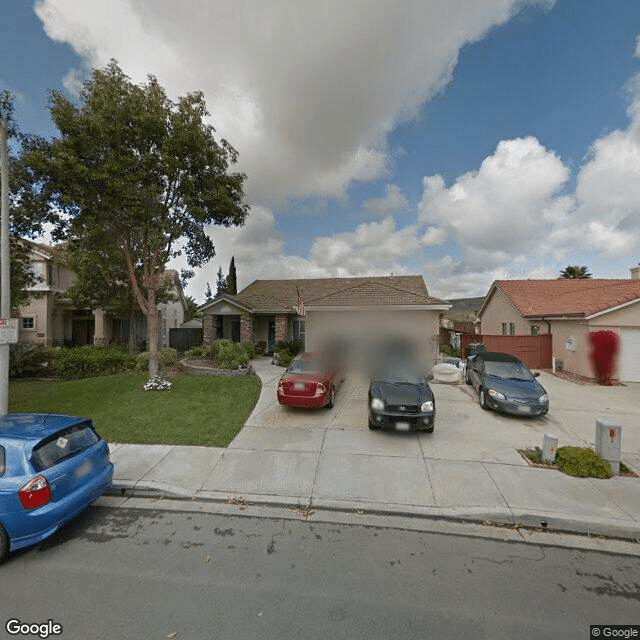
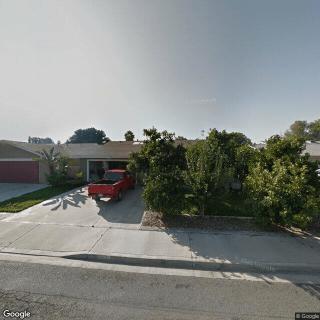
193 Plumosa Street, Oceanside, CA 92058
For more information about senior living options: (866) 208-4318
Agape Senior Care Costs & Pricing
Agape Senior Care offers competitive pricing for its services, particularly when compared to the broader market in San Diego County and the state of California. For a semi-private room, Agape Senior Care is priced at $2,400 per month, which is significantly lower than the county average of $3,518 and the state average of $3,333. Similarly, their private room rate of $3,000 positions them favorably against both the county and state figures of $3,939. These cost advantages not only make Agape Senior Care an attractive option for families seeking quality senior care but also reflect their commitment to providing accessible services without compromising on care quality.
| Floor plans | Agape Senior Care | San Diego County | California |
|---|---|---|---|
| Semi-Private | $2,400 | $3,518 | $3,333 |
| Private | $3,000 | $3,939 | $3,939 |
Memory care communities with a similar price nearby
-
from +$400 / mo
Pebble Brook Senior Home Care
$2,800 to $4,000 / month22.5 miles away -
from +$100 / mo

Golden Retreat - Senior Residential Care
$2,500 to $3,000 / month7.3 miles away -
from -$200 / mo

Diamond Residential Care Facility for the Elderly of Murrieta
$2,200 to $3,500 / month23.7 miles away -
from +$142 / mo

Casa De Las Campanas
$2,542 to $25,000 / month19.9 miles away -
from +$100 / mo
Woodland Borden Care
$2,500 to $3,000 / month12.7 miles away
Overall Review of Agape Senior Care
Pros
 Angela and her family take wonderful care of residents and prepare wonderful meals.
- Angela and her family care for residents for years and exceed expectations; loved ones are cared for as if they are family.
- Angela is an amazing and caring professional who communicates with families and stays in touch.
- Agape Senior Care is highly recommended by families who have used the service.
- The level of care is excellent and the staff genuinely care for residents.
- The home makes residents feel at home, with a warm ambience and delightful food.
- The caregivers go above and beyond to keep loved ones happy.
- Agape Senior Care is described as a true blessing by families.
Cons
 The administrator is absolutely rude, calling the mom her "worst patient," because her dementia causes her to moan.
- The administrator reportedly told the reviewer it was too difficult to change mom's diapers.
- Mom was regularly left in bed all day, with no change of clothes, no mental stimulation, no physical therapy, and no decent level of care.
- These people claim to be good Christians, but they evicted the mom after the reviewer expressed dismay at their mismanagement of her medication and her inadequate treatment.
- This place is ill-equipped, under-staffed, and unwilling to perform the basic functions of paid caregivers.
Review
Agape Senior Care in Oceanside is best suited for families seeking a warm, home-like setting where a small, family-owned operation delivers highly personalized, attentive care and home-cooked meals. The emphasis is on daily companionship, individualized attention, and strong family involvement. Caregivers are described as genuinely devoted, with Angela and her relatives treating residents as part of the family. This arrangement works especially well for seniors who thrive in a familiar, intimate environment rather than a large, impersonal facility. The vintage, clean living spaces reinforce a sense of belonging, making it a compelling choice for those who value relational care and consistent, direct communication with the providers who know the resident well.
Those who should consider alternatives are primarily those needing high-skilled medical oversight or a formal memory-care program with on-site nurses and structured clinical protocols. The small, family-run model inherently lacks the robust clinical infrastructure seen in larger facilities, which can be a mismatch for residents with complex medical needs or aggressive dementia management. A concerning account, describing rude administration, medication mismanagement, and eviction after a complaint, highlights the risk, however rare, that care quality can be uneven in a single-house setting. Prospective families should weigh the desire for intimate, personalized care against the necessity for consistent clinical supervision and a clearly defined plan for medical emergencies.
The strongest positives center on the human touch. Angela and the extended family are repeatedly praised for going above and beyond, cooking meals, ensuring residents are connected with loved ones through video chats, and maintaining a home environment where residents feel valued. Long-tenured care, with families staying for years and dining and social moments described as enjoyable, underscores a stable, relational approach to daily life. A clean, inviting home atmosphere and staff willingness to tailor activities and meals to individual preferences further reinforce trust. For families seeking emotional security and everyday companionship, these elements often outweigh more impersonal care settings.
Yet, credible concerns cannot be ignored. One account portrays a grave mismatch between expectation and delivery: a perceived rude administrator, medication lapses, inadequate diaper changes, and eviction following a complaint about medications. Such a narrative, especially coupled with broader comments about under-staffing and limited clinical function, serves as a caution. It does not erase the positive experiences, but it does demand rigorous, up-front verification of current staffing levels, care planning processes, and medication management, particularly for residents with dementia or multiple chronic conditions.
Where the positives offset the negatives lies in the unique value of a highly engaged, family-driven care model. For families prioritizing warmth, continuity, and daily personal attention, Agape Senior Care offers a meaningful sense of home that is difficult to match in larger facilities. The longevity of the operation since 2006 and the practice of guiding families toward more appropriate placements when higher levels of care are required suggest a thoughtful, relationship-centered philosophy rather than a disregard for quality. This community shines when the care plan aligns with its strengths, emotional well-being, social engagement, and responsive, personalized caregiving within a comfortable, blue-collar home setting.
Bottom-line: Agape Senior Care is best for seniors who thrive on close, personal attention, home-cooked meals, and a warm, familial environment, with families comfortable navigating a smaller operation. Prospective buyers should come in with clear questions about staffing levels, care plans, and how medical issues are managed day to day. Demand to meet Angela and the caregiving team, request a sample menu, and obtain a detailed care plan and any relevant certifications. If the loved one requires high-level skilled care, routine dementia-specific programming, or regular on-site nursing supervision, consider alternatives in Oceanside that offer stronger clinical infrastructure. For others, this home can deliver meaningful comfort and continuity, but it should be paired with vigilance and an upfront assessment of needs versus capabilities.
 6 resident community capacity
 Assisted Living
 Board and Care Home
 Memory Care
 Cable or satellite TV
 Dining room
 Fully furnished
 Garden
 Housekeeping services
 Move-in coordination
 Outdoor space
 Private
 Private bathrooms
 Telephone
 Wi-Fi/high-speed internet available
 MC Clellan-Palomar Airport (9 miles away)
 24-hour supervision
 Activities of daily living assistance
 Ambulatory care
 Assistance with bathing
 Assistance with dressing
 Assistance with transfers
 Diabetes diet
 Meal preparation and service
 Medication management
 Special dietary restrictions
 Transportation arrangement (medical)
 Transportation to doctors appointments
 Christian services



 Guiding Your Journey: Understanding Power of Attorney for Elderly Parents
 22 Remarkable Caregiver Support Groups Available Online and In-Person
 Understanding Medicaid Coverage for Assisted Living: A Comprehensive Guide