
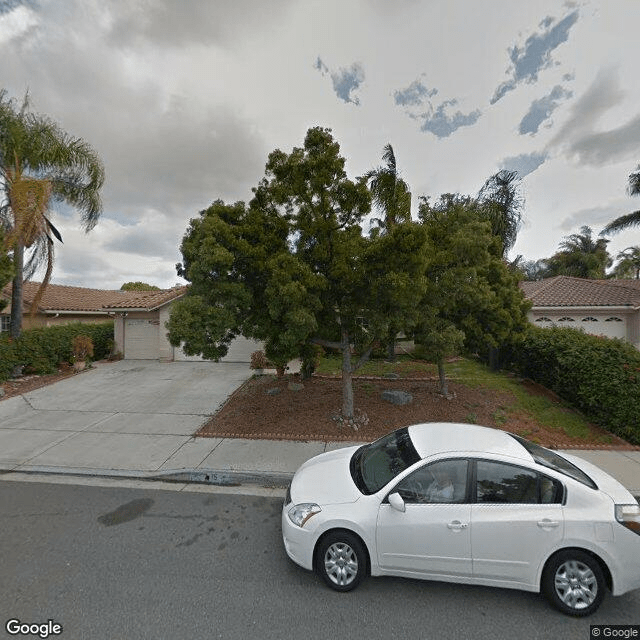
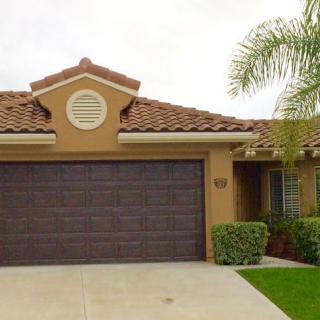
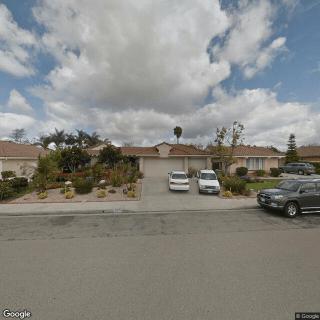
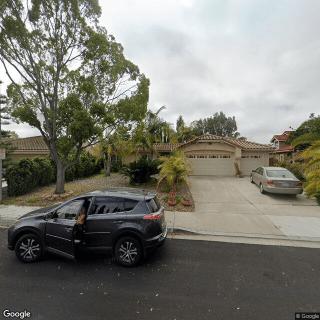
15 Shasta Court, Oceanside, CA 92057
For more information about senior living options: (866) 208-4318
Oceanside Rest Home II Costs & Pricing
Oceanside Rest Home II offers competitive pricing for its residents, particularly in comparison to the broader market in San Diego County and across California. With monthly costs of $2,000 for semi-private rooms and $2,500 for private accommodations, the facility stands out as an affordable option. In contrast, the average rates in San Diego County are significantly higher at $3,518 for semi-private and $3,939 for private rooms. Even when considering statewide averages, Oceanside Rest Home II remains cost-effective, with private rooms costing the same as the county's average yet notably lower than California's overall rate. This makes Oceanside Rest Home II an attractive choice for families seeking quality care without a hefty financial burden.
| Floor plans | Oceanside Rest Home II | San Diego County | California |
|---|---|---|---|
| Semi-Private | $2,000 | $3,518 | $3,333 |
| Private | $2,500 | $3,939 | $3,939 |
Assisted Living communities with a similar price nearby
-
About the same
Temeku Hills Assisted Living
$2,000 to $2,800 / month23.2 miles away -
from +$250 / mo
Brookdale San Marcos
$2,250 to $4,760 / month10.1 miles away -
About the same

Murrieta Gardens
$2,050 / month23.8 miles away -
from -$305 / mo

Truewood By Merrill, Oceanside
$1,695 to $4,800 / month4.6 miles away -
About the same
Lily of the Valley Residential Care
$2,000 to $2,500 / month23.9 miles away
Overall Review of Oceanside Rest Home II
Pros
 Oceanside Rest Home is a very impressive care home.
- The admins are very knowledgeable about elderly care.
- The caregivers are well trained in activities of daily living.
- The facility is well maintained and provides a safe environment.
- The food is nutritious and well balanced.
- Residents and staff participate regularly in scheduled activities.
- The family is glad mom is in good hands at Oceanside Rest Home.
Cons
 Oceanside Rest Home is unresponsive to family inquiries, failing to return calls or allow speaking with the resident.
- The facility is unprofessional in its handling of communications.
- It is not set up to provide adequate night-time assistance for residents.
- The head nurse is stretched across multiple units and is not always available, reducing consistent care.
- Residents lack organized social activities and are left to their own entertainment, with activities mainly limited to meal times.
Review
Oceanside Rest Home II is best suited for seniors who want a small, home-like setting with dependable daytime ADL support and a emphasis on safety, routine, and straightforward daily structure. The environment tends to be calm, with a focus on well-maintained spaces and predictable activities that can help residents settle into a daily rhythm. It works best when families can actively monitor care, advocate for updates, and coordinate between shifts so the care plan stays current. Those seeking robust, round-the-clock nursing presence or highly proactive, off-hour communication should expect that gaps may appear. In short, this community serves well-structured, daytime-focused care needs, but it is not a turnkey solution for families requiring effortless, 24/7 oversight.
For families weighing alternatives, the clearest red flag is the expectation of constant, immediate communication and night-time support. If reliable, rapid responses to inquiries, transparent updates during illness, and hands-on overnight assistance are non-negotiable, another facility, especially a larger one with dedicated on-site management and more expansive staffing, will likely be a better fit. Prospective residents who prioritize a more predictable, responsive administrative presence should consider options with structured escalation pathways, guaranteed caregiver on-call coverage, and a more visible 24/7 management team.
The strongest positives at Oceanside Rest Home II are grounded in day-to-day care quality. Administrators appear knowledgeable about elder needs, and caregivers show solid training for activities of daily living, which translates into a sense of safety and competence for residents. The facility itself is well maintained and described as a safe environment, with meals that meet nutritional expectations and a schedule of activities that reflects ongoing engagement. When operations run smoothly, residents and families experience reassurance about the level of attention and the routine protections that define a comfortable living situation. For families that can stay engaged, these attributes are meaningful.
Yet the most troubling threads run through the care experience when trouble arises. Communication breakdowns, especially during a relative’s illness, stand out as a core weakness. Repeated attempts to reach staff, including management, go unanswered, and the sense of professional responsiveness deteriorates. This is not a minor inconvenience; it undermines trust during emergencies and raises legitimate concerns about accountability and continuity of care. In tandem, staffing structure contributes to uneven hands-on coverage: the head nurse handles multiple residents and cannot be reliably present at any one moment, leaving residents to rely on assistants who are not always perceived as as capable or as comforting as the lead clinician. The result is a gap between potential quality and day-to-day experience.
These strengths and weaknesses must be weighed against one another. The quality of ADL support, safety, nutrition, and organized activities can offset a good portion of the care risk when the facility can maintain predictable staffing on weekdays and when family members can fill informational gaps with proactive outreach. However, the gaps in nighttime coverage and the inconsistent ability to secure timely updates tilt the balance toward caution. For families choosing Oceanside Rest Home II, a concrete plan is essential: designate a primary liaison for after-hours communication, insist on a written escalation protocol, and request a regular cadence of caregiver reports and care-plan updates. Without these safeguards, the positives risk being overshadowed by frustration and uncertainty.
Practical guidance follows from this assessment. If deciding to move forward, treat Oceanside Rest Home II as a solid, value-oriented option for daytime safety, basic medical oversight, and steady daily life, but with the caveat that active family engagement is non-negotiable. Before committing, arrange a thorough meeting with the administrator to outline expectations for after-hours contact, nightly staffing, and a concrete timeline for addressing any reported concerns. Verify night-shift coverage, request a detailed staff assignments chart, and ask for examples of how similar situations were resolved in the past. If these assurances cannot be obtained or if the pace of communication remains uncertain, it is prudent to explore alternatives, larger facilities with guaranteed 24/7 on-site management, clearer communication protocols, and more robust night staffing. In the end, the strongest choice aligns resident safety and daily quality of life with dependable, transparent, and timely communication at all hours.
 6 resident community capacity
 Assisted Living
 Board and Care Home
 Cats allowed
 Dogs allowed
 Cable or satellite TV
 Dining room
 Fully furnished
 Garden
 Housekeeping services
 Move-in coordination
 Outdoor space
 Private
 Private bathrooms
 Telephone
 Wi-Fi/high-speed internet available
 MC Clellan-Palomar Airport (8 miles away)
 24-hour supervision
 Activities of daily living assistance
 Ambulatory care
 Assistance with bathing
 Assistance with dressing
 Assistance with transfers
 Diabetes diet
 Diabetic care
 High acuity care
 Incontinence care
 Meal preparation and service
 Medication management
 Special dietary restrictions
 Transportation arrangement (medical)
 Transportation to doctors appointments


 Funding and Affording Assisted Living: A Thorough Overview
 Assisted Living Expenses and Long-Term Care Insurance: A Comprehensive Exploration
 Securing Financial Support for Assisted Living: A Comprehensive Overview