

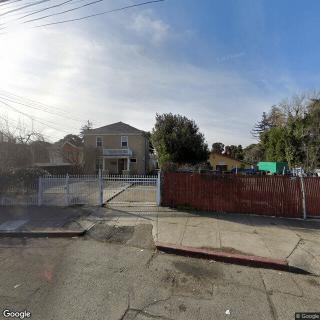
2420 Fruitvale Avenue, Oakland, CA 94601
For more information about senior living options: (866) 208-4318
Holy Family Home Costs & Pricing
Holy Family Home offers a semi-private room at a competitive rate of $3,000 per month, which is notably lower than the average costs in both Alameda County and the broader California region. In Alameda County, the average monthly cost for a similar accommodation is approximately $3,273, while across the state, this figure rises to around $3,333. This affordable pricing at Holy Family Home highlights its commitment to providing quality care without compromising on value, making it an attractive option for families seeking supportive living environments for their loved ones.
| Floor plans | Holy Family Home | Alameda County | California |
|---|---|---|---|
| Semi-Private | $3,000 | $3,273 | $3,333 |
Memory care communities with a similar price nearby
-
from +$195 / mo
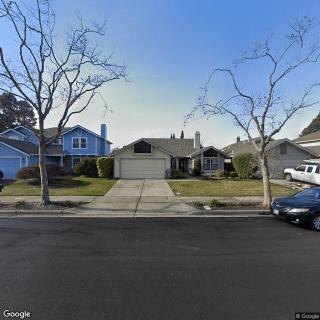
Harbor Bay Assisted Living
$3,195 to $5,000 / month3.3 miles away -
from -$500 / mo

San Carlos Elms
$2,500 to $5,880 / month19.7 miles away -
from +$500 / mo
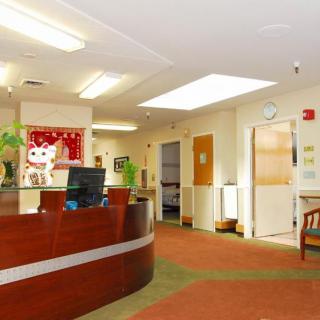
East Bay Assisted Living
$3,500 to $5,000 / month1.1 miles away -
from -$500 / mo
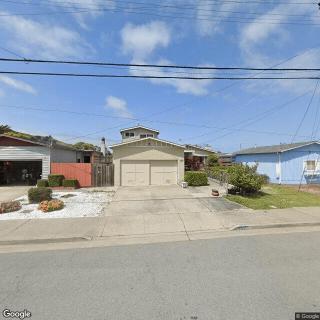
Oceanside Board and Care II
$2,500 to $3,000 / month18.5 miles away -
from -$200 / mo
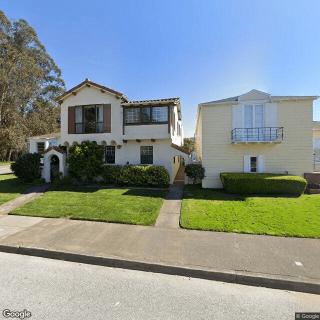
Nobis Care Homes
$2,800 to $3,200 / month14.8 miles away
Overall Review of Holy Family Home
Pros
 The director is really sweet.
- The dad liked her.
- They liked this place after meeting many of the residents.
Review
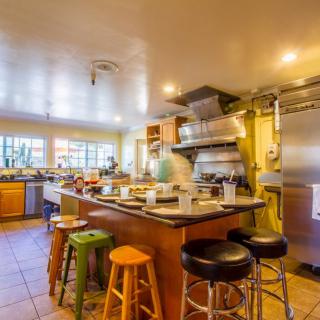
Holy Family Home in Oakland is best suited for seniors who want a warm, home-like atmosphere and for families that value personal connections over formal, facility-wide programming. The lone reviewer notes the director is really sweet, and that her demeanor helped their dad feel comfortable. They also met many residents and left with a positive impression of the community’s social vibe and neighborly feel. This is not a showpiece campus; it’s a place where relationships and a gentle pace appear to carry the day. With a 4-star rating anchored by a single perspective, Holy Family Home signals a favorable first impression, but the limited data means impressions should be confirmed during a visit.
Those who should consider alternatives are families seeking rigorous medical oversight, a heavy emphasis on memory care, or a highly structured daily program. For seniors with complex medication needs or the requirement for frequent nursing intervention, other communities with transparent staffing ratios and explicit care levels may offer more certainty. Likewise, families who want expansive enrichment options, varied outings, or modern, resort-like amenities may want to sample additional Oakland options to compare what is truly on offer.
Pros center on leadership warmth and a socially comfortable resident base. The director’s kindness appears to translate into trusting, responsive interactions with families and residents. The reported encounter with many residents suggests a community where people know one another and where daily life can feel relaxed and familiar. For families prioritizing a homelike environment and care that feels relationship-driven rather than bureaucratic, these advantages align closely with their goals.
However, the data leaves meaningful questions unresolved. There is no published detail on on-site nursing levels, medication management, or care coordination. Information about daily schedules, dining quality, safety features, housekeeping, or maintenance is absent. No explicit memory-care option is identified, and pricing or contract terms are not disclosed. These gaps mean risk remains in terms of consistency, responsiveness, and affordability, especially if care needs evolve.
To move from impression to decision, conduct a structured site visit with specific checks. Observe staff interactions with residents, ask to meet direct care staff or a nurse, request sample menus and an activity calendar, and inspect safety measures and accessibility features. Inquire about nighttime staffing, incident reporting, and emergency procedures. Obtain a clear, written outline of services included in the monthly rate and what would trigger additional charges. Compare with another Oakland option that provides explicit levels of care; if warm, intimate setting matters most, Holy Family Home deserves serious consideration.
Bottom line: Holy Family Home is a practical fit for families seeking a compassionate, neighborhood-flavored environment and a director-driven culture. It is less compelling for those who need strong medical oversight, a robust memory-care pathway, or a wide spectrum of programming. Alternatives offering clearer clinical coverage or more extensive amenities should be on the short list for families with higher care demands or different preferences. A diligent tour and pointed questions will reveal whether this community can grow into a long-term home or whether another option better aligns with the care plan and budget.
 19 resident community capacity
 Assisted Living
 Board and Care Home
 Memory Care
 Respite Care
 Cable or satellite TV
 Dining room
 Fully furnished
 Garden
 Housekeeping services
 Move-in coordination
 Outdoor space
 Telephone
 Wi-Fi/high-speed internet available
 Metropolitan Oakland International (5 miles away)
 24-hour supervision
 Activities of daily living assistance
 Ambulatory care
 Assistance with bathing
 Assistance with dressing
 Assistance with transfers
 Diabetes diet
 Incontinence care
 Meal preparation and service
 Medication management
 Special dietary restrictions
 Transportation arrangement (medical)
 Transportation to doctors appointments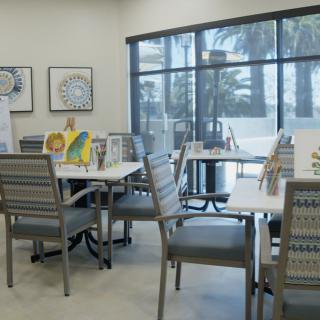


 Comprehending Evening Confusion in Dementia: Causes, Manifestations, and Support
 Delirium and Dementia: Unraveling the Key Differences
 Are Dementia and Alzheimer's Disease Lethal? A Comprehensive Exploration