
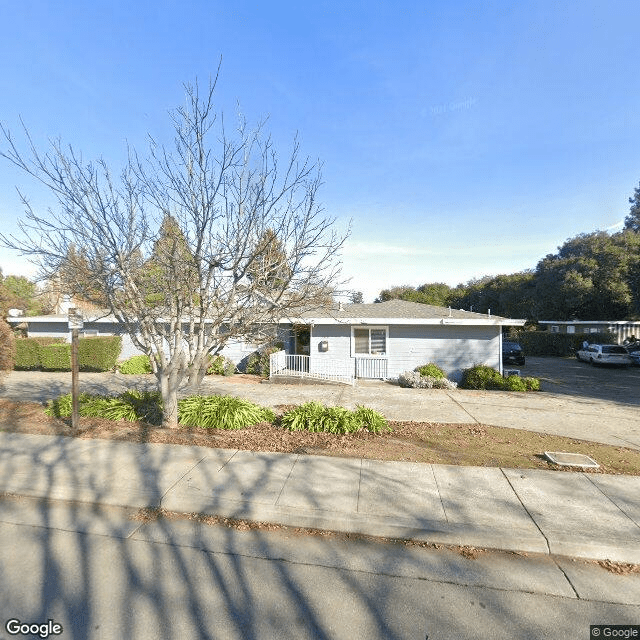
1470 South Novato Boulevard, Novato, CA 94947
For more information about senior living options: (866) 208-4318
The Anton Pointe Costs & Pricing
At The Anton Pointe, the monthly costs present a competitive and appealing option for prospective residents. For a semi-private room, the cost is $3,200, which is notably lower than both the average rates in Marin County at $4,362 and across California at $3,333. Similarly, the private room rate of $3,500 also stands out favorably against Marin County's average of $4,771 and California's statewide average of $3,939. These pricing advantages highlight The Anton Pointe as an attractive choice for individuals seeking quality care without the burden of higher expenses often associated with similar facilities in the region.
| Floor plans | The Anton Pointe | Marin County | California |
|---|---|---|---|
| Semi-Private | $3,200 | $4,362 | $3,333 |
| Private | $3,500 | $4,771 | $3,939 |
Memory care communities with a similar price nearby
-
from +$300 / mo
Ana's Care Home
$3,500 / month24.1 miles away -
from +$270 / mo
Clearwater at Sonoma Hills
$3,470 to $8,015 / month18.6 miles away -
About the same

Kimochi Home
$3,200 / month22.6 miles away -
from -$300 / mo
Muirwoods Memory Care
$2,900 to $7,830 / month12.3 miles away -
About the same

Nazareth House
$3,200 to $4,600 / month6.3 miles away
Overall Review of The Anton Pointe
Pros
 The residential home is wonderful.
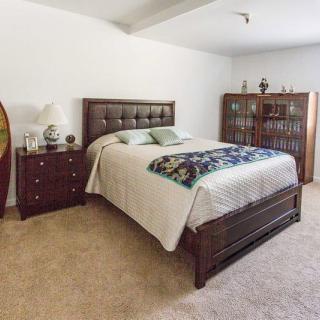
- The residence feels like a cozy home with spaces for nine residents.
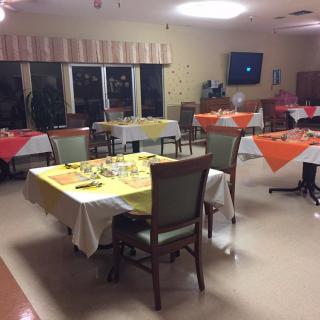
- There are pleasant smells from the kitchen at mealtimes.
- The place is spotless and well cared for.
- The decoration is light and bright.
- Every room has a TV with Comcast included.
- The staff are kind and caring.
- They cared for the husband with Lewy Body dementia as though he were their own.
- Cleda and the staff are thanked for being there for the family.
Review
The Anton Pointe in Novato, CA is best suited for families seeking an intimate, home-like care setting for a loved one who needs steady daily support but does not require the scale of a large institution. With space for only nine residents, the community operates like a private residence where routines are predictable, staff know residents by name, and caregiving feels personal rather than procedural. The environment is light, bright, and meticulously maintained, with a kitchen that signals consistent, home-cooked meals. For seniors facing memory-related challenges, including Lewy body dementia, the care team demonstrated genuine warmth and dedication, translating into steady reassurance for families and meaningful daily engagement for residents. The combination of comfort, cleanliness, and practical amenities like in-room Comcast-equipped TVs helps residents stay connected and at ease from morning through evening.
Those evaluating alternatives should note who may want to consider other options. If a loved one requires high-level medical supervision, frequent skilled nursing, or on-site rehab and extensive therapies, a larger community with a broader clinical footprint may be a better fit. The nine-resident scale naturally limits the breadth of on-site programming and the depth of medical resources available compared with bigger assisted living campuses or dedicated memory-care facilities. Families prioritizing abundant social calendars, diverse activities, or rapid access to multiple specialists should compare other options in the region to ensure all clinical and enrichment needs can be met.
The strongest pros outweigh potential drawbacks in tangible, day-to-day ways. The intimate format enables caregivers to tailor routines to individual preferences, reducing anxiety for residents who endure cognitive or memory-related challenges. Cleanliness and bright decor contribute to a sense of well-being and stability that larger facilities sometimes struggle to achieve. Mealtime aroma and the consistency of nourishment create a reliable anchor in daily life, reinforcing comfort and appetite. The in-room TV setup eliminates some isolation, keeping residents connected to familiar programming and reducing boredom. Most importantly, the staff’s kindness and personal commitment, evident in the appreciation directed toward Cleda and the team, convey a level of trust and reliability that is hard to replicate in bigger settings. For dementia care, that combination of familiarity, responsiveness, and compassionate presence often yields better emotional and behavioral outcomes than more impersonal environments.
Where the small size can pose trade-offs, the strengths still provide a compelling offset. A compact campus means fewer layers of bureaucracy and faster, clearer communication with caregivers, which translates into more timely assistance and more authentic engagement. The flip side is a potentially narrower slate of activities and fewer on-site clinical services compared with larger communities. Yet the result is a caregiving milieu that feels consistent, stable, and genuinely attentive, which matters profoundly for residents who thrive on routine and trusted relationships. In dementia care terms, that level of continuity, with caregivers who know preferences and triggers, frequently translates into calmer days and more predictable responses to needs.
Practical decision-making guidance centers on due diligence in real-world terms. Prospective families should verify staffing coverage around the clock and the formal care plan, including how emergencies are managed and whether there are clear pathways for escalating care as needs evolve. Observing mealtimes and staff interactions provides a tangible sense of daily attentiveness and warmth. Inquire specifically about memory-care practices, how Lewy body dementia symptoms are monitored, and how care plans are adjusted as conditions change. Confirm that connectivity and in-room entertainment align with the resident’s preferences, and assess whether family involvement, meals, visits, and activities, meets the desired level of engagement. A site visit will reveal the cadence of the day, the genuine tone of caregiving, and whether the home-like atmosphere matches long-term expectations.
Bottom-line, The Anton Pointe stands out as a warm, nurturing option for seniors who flourish in a small, home-like community where staff demonstrate genuine care and residents feel seen. It is a particularly strong fit for dementia-aware care within a setting that prizes routine, familiarity, and emotional support. Families evaluating for more expansive clinical services, broader programming, or a bigger social calendar should compare alternatives to ensure needs align with capacity. For those prioritizing a trusted, intimate environment with a caregiving philosophy that treats residents like family, this residence deserves serious consideration, followed by a thoughtful tour and candid conversations about long-term care goals.
 10 resident community capacity
 Assisted Living
 Board and Care Home
 Memory Care
 Respite Care
 Cable or satellite TV
 Dining room
 Fully furnished
 Garden
 Housekeeping services
 Move-in coordination
 Outdoor space
 Private
 Telephone
 Wheelchair accessible showers
 Wi-Fi/high-speed internet available
 24-hour supervision
 Activities of daily living assistance
 Ambulatory care
 Assistance with bathing
 Assistance with dressing
 Assistance with transfers
 Diabetes diet
 Diabetic care
 High acuity care
 Hospice waiver
 Incontinence care
 Meal preparation and service
 Medication management
 Mental wellness program
 Special dietary restrictions
 Transportation arrangement (medical)
 Transportation to doctors appointments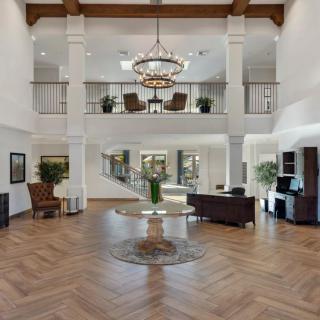

 Nourishing the Mind: Essential Dietary Approaches for Dementia
 Understanding Dementia Behaviors: Practical Insights and Strategies for Caregivers
 When Dementia Sparks Anger and Aggression: Understanding the Connection and Ways to Cope