
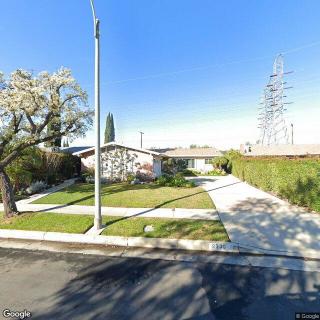
9540 Donna Avenue, Northridge, CA 91324
For more information about senior living options: (866) 208-4318
Overall Review of Retzel Care Home II
Pros
 The reviewer is extremely impressed with the level of care and the compassion shown to residents.
- The staff treat residents like family.
- The mother has been a resident for five years, indicating sustained quality care.
- The reviewer praises the staff’s work, noting it as a job well done.
Review
Retzel Care Home II in Northridge is best suited for families seeking an intimate, home-like atmosphere where residents are cherished and consistently cared for with warmth. The setting appears ideal for seniors who thrive in stability: long-tenured caregiving staff, familiar faces, and a culture that treats each resident as a member of a caring extended family. The emphasis is on daily compassion, respectful interactions, and routines that make mom or dad feel seen as a person, not a case. In this environment, predictable rhythms and a strong emotional safety net become a core strength, especially for families prioritizing trust, continuity, and a sense of belonging.
However, Retzel Care Home II may not be the best fit for those requiring heavy medical supervision or a broad spectrum of on-site services. For loved ones with complex skilled-nursing needs, wound care, or memory-care programs that rely on a wide menu of cognitive therapies, the smaller setting can feel limited compared with larger facilities. Families should consider whether the level of medical oversight and rehabilitation supports meets anticipated needs, or if a more expansive community with diverse programming and specialty services would better sustain independence and recovery over time.
On balance, the strongest pros, the genuine care, emotional warmth, and treatment of residents as family, tend to offset the absence of a sprawling amenity slate. A compact, close-knit staff typically delivers higher daily contact, quicker responses, and nuanced knowledge of individual preferences, histories, and dietary requirements. When a family member describes years of patient, affectionate attention, that continuity alone reduces anxiety about daily safety and future transitions. While there may be fewer novel activities than in larger communities, the depth of human connection often translates into higher overall well-being for seniors who value dignity, respect, and personal attention over constant novelty.
Long-tenured residency signals stability and reduces disruptive turnover, a critical factor for families wary of frequent caregiver changes. The sense of belonging that comes from a “family” culture also fosters smoother collaboration with relatives, making care planning and communication feel more transparent and responsive. The caveat is the potential for slower adoption of new programs or therapies amid tighter staffing and resources. Prospective residents should verify the breadth of staff training, the availability of specialists, and how individualized plans are crafted and updated. Still, that personal touch frequently compensates for any limits on scale.
Practical questions should guide the decision: what does weekend staffing look like, and how are medical needs monitored day-to-day? What are the pathways for accessing clinicians, and how does the facility handle medication management and emergencies? How robust are the activity offerings, rehabilitation services, and opportunities for family involvement, and how flexible are schedules to accommodate visits? The existing impressions point to a culture of warmth and attentiveness; nonetheless, confirming real-world operations, privacy, meal quality, transportation, and visitation policies, will prevent misalignment between expectations and lived experience.
The bottom-line verdict is clear. Retzel Care Home II is a strong fit for families prioritizing emotional security, steady caregiver relationships, and a homelike ambiance over the breadth of amenities. It excels where trust, compassionate daily interactions, and consistent contact with caregivers matter most. Those with higher medical acuity, or those seeking a dynamic activity calendar and extensive on-site services, should explore alternatives that deliver more comprehensive clinical resources and amenities. The prudent path is a careful site visit: observe interactions, ask pointed questions about staffing and care planning, and engage with staff and families about whether the goal for daily life aligns with what the home delivers.
 6 resident community capacity
 Assisted Living
 Board and Care Home
 Cable or satellite TV
 Dining room
 Fully furnished
 Garden
 Housekeeping services
 Move-in coordination
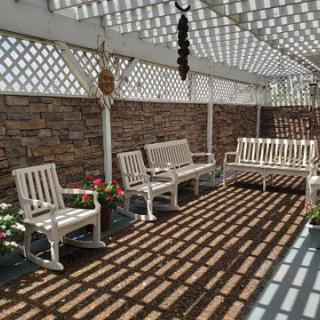
 Outdoor space
 Telephone
 Wi-Fi/high-speed internet available
 Burbank-Glendale-Pasadena (11 miles away)
 24-hour supervision
 Activities of daily living assistance
 Assistance with bathing
 Assistance with dressing
 Assistance with transfers
 Diabetes diet
 Meal preparation and service
 Medication management
 Special dietary restrictions
 Transportation arrangement (medical)
 Transportation to doctors appointments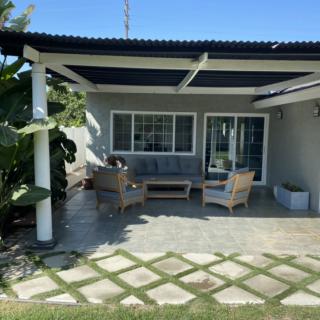


 Exploring the Contrasts Between Assisted Living and Skilled Nursing
 8 Key Indicators That Suggest It May Be Time to Transition from Assisted Living to Skilled Nursing Care
 Vibrant Senior Living: A Comprehensive Guide for Active Older Adults