
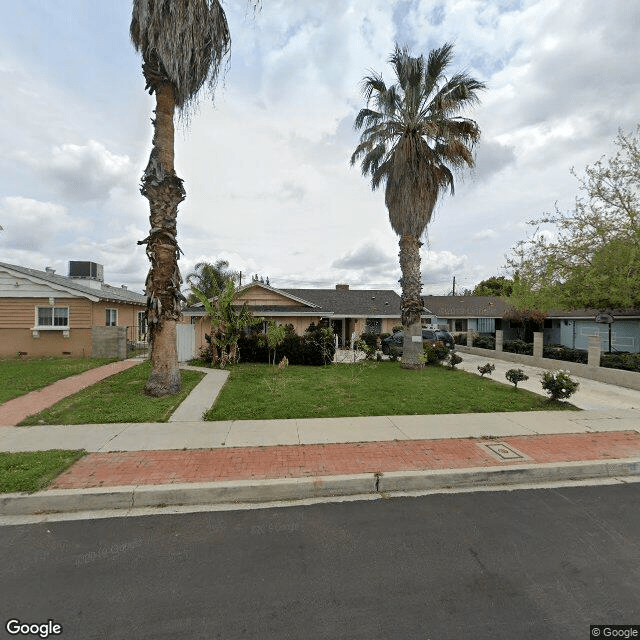
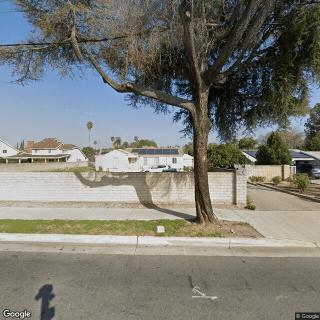
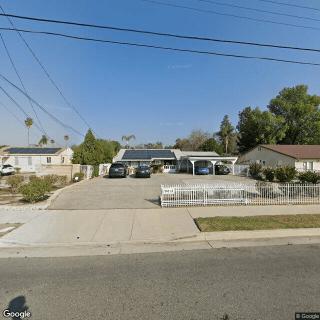
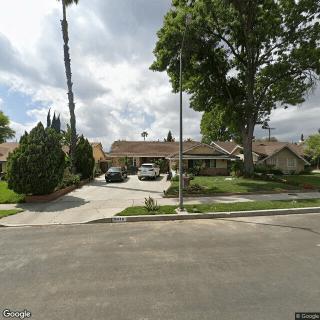
8618 Bothwell Road, Northridge, CA 91324
For more information about senior living options: (866) 208-4318
Lily Of The Valley Costs & Pricing
Lily Of The Valley offers competitive pricing for its accommodations when compared to both Los Angeles County and the broader California market. For instance, the monthly cost of a semi-private room at Lily Of The Valley is $2,500, significantly lower than the county average of $3,349 and the state average of $3,333. Similarly, private rooms at this facility are priced at $3,000, which also presents a more affordable option compared to Los Angeles County's average of $4,197 and California's average of $3,939. Moreover, the one-bedroom units at Lily Of The Valley are offered at the same price point as their private rooms - $3,000 - which contrasts sharply with the county and state averages of $4,603 and $4,340 respectively. These pricing strategies position Lily Of The Valley as an attractive choice for individuals seeking quality care without stretching their financial resources too thin.
| Floor plans | Lily Of The Valley | Los Angeles County | California |
|---|---|---|---|
| Semi-Private | $2,500 | $3,349 | $3,333 |
| Private | $3,000 | $4,197 | $3,939 |
| 1 Bedroom | $3,000 | $4,603 | $4,340 |
Memory care communities with a similar price nearby
-
from +$250 / mo
Dignity Care Home 1
$2,750 to $4,150 / month4.2 miles away -
from -$300 / mo
Granada Hills Gardens
$2,200 to $3,500 / month4.0 miles away -
About the same
Familycare Cottage IV
$2,500 to $4,500 / month17.3 miles away -
About the same
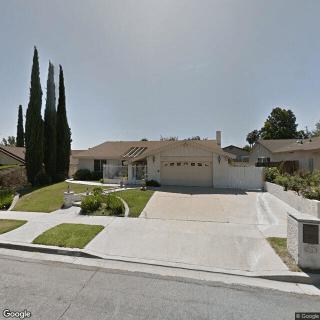
Sunrise Guest Home
$2,500 to $3,000 / month11.4 miles away -
from -$100 / mo

Leisure Living
$2,400 to $3,000 / month14.0 miles away
Overall Review of Lily Of The Valley
Pros
 The home is in a nice, quiet neighborhood.
- The administrator Rudy is very compassionate and will create a care plan for a loved one.
- Rudy’s wife, daughter, and son are RNs and can manage the highest level of care.
- The house is very clean.
- Caregivers, both male and female, are attentive with a positive attitude.
- The owner is open to painting should the family request.
- The home offers an attentive level of care that stands out.
- The residents appear clean and happy.
- Rudy impressed observers with his knowledge and ability to care for a loved one.
- The visit was good.
Cons
 It was not the right place for the reviewer’s mother.
- The home could use some painting.
- The rates may include additional costs for care.
Review
Lily Of The Valley in Northridge is best suited for families seeking a small, home-like setting where an attentive, high-level care plan can be tailored by an administrator who truly understands caregiving. The operation runs as a family-centered residence with Rudy at the helm, supported by his wife, daughter and son, all RNs. This structure enables highly individualized planning and hands-on oversight, making it a solid fit for an older adult who requires substantial support in a quiet, safe neighborhood. The home’s cleanliness and the calm, residential environment contribute to a sense of stability that caregivers value when planning long-term care.
Those evaluating alternatives should note that this community may not be the right choice for every situation. A notable caveat is that the current resident mix appears to be male, which makes the home less suitable for a mother or other female-relative placements seeking a female-centric living arrangement or a more mixed-gender community. In addition, the residence operates like a house rather than a larger facility, which can limit formal programming and on-site amenities typically associated with bigger assisted living settings. Finally, pricing can include additional charges for care, so families must scrutinize what is included in the base rate and how ongoing needs might affect long-term affordability.
The strongest pros center on the caregiving leadership and the care depth available. Rudy’s compassionate approach and the ability to craft a care plan are repeatedly highlighted as standout features, reinforced by a team of caregivers who present as attentive and positive. The RN credentials within the family leadership translate into a credible, high level of medical and daily living support, a critical factor for residents needing more than basic assistance. The home’s cleanliness and quiet location bolster day-to-day well-being, reducing stress and enabling reliable routines. The willingness to address cosmetic concerns, such as painting the home upon request, signals a responsiveness that families value when aligning a setting with personal preferences.
Against these strengths, the main drawbacks remain modest but real. The gender composition may disqualify some potential residents, particularly women seeking a female-oriented environment. Cosmetic updates, while easily addressed, highlight the smaller scale of the operation and the potential for limited turnover in the physical space. The note about additional costs for care introduces a budgeting consideration that can tilt affordability, especially for residents who require higher levels of assistance over time. Taken together, these factors temper otherwise compelling advantages, particularly for families prioritizing gender balance, broader social programming, or rigid pricing predictability.
Nevertheless, the pros largely compensate for the cons when viewed through a practical lens. The intimate, home-like setting paired with a physician-led family team offers a level of responsiveness and adaptability that larger facilities can struggle to match. The quiet Northridge environment supports dependable routines, which is especially valuable for memory care or cognitive stability when daily structure matters. Cleanliness and consistently positive caregiver interactions are tangible indicators of daily quality of life. The owner’s openness to minor updates and the ability to provide references further mitigate concerns about fit, offering tangible signals of reliability and accountability that families can verify.
For families making a concrete plan, the recommended next steps are clear. Schedule a visit with Rudy to observe the care environment, meet the caregiving team, and review a sample care plan and pricing outline. Ask pointed questions about what services are included in the base rate and what triggers additional charges, ensuring there is no discrepancy between expectations and actual care. Request references to corroborate the claimed level of caregiver engagement and resident satisfaction. If gender balance or broader programming remains a priority, explore alternatives with mixed or female-oriented environments. For those who value a discreet, high-touch, home-based approach in a quiet Northridge setting, Lily Of The Valley presents a credible, practical option with notable strengths that align with seriously considered family needs.
 6 resident community capacity
 Assisted Living
 Board and Care Home
 Memory Care
 Cats allowed
 Activities off-site
 Cable or satellite TV
 Dining room
 Fully furnished
 Garden
 Housekeeping services
 Indoor common areas
 Move-in coordination
 Outdoor common areas
 Private
 Respite or short term stays offered
 Telephone
 Wheelchair accessible showers
 Wi-Fi/high-speed internet available
 Burbank-Glendale-Pasadena (12 miles away)
 24-hour supervision
 Ambulatory care
 Assistance with bathing
 Assistance with dressing
 Assistance with transfers
 Diabetes diet
 Incontinence care
 Meal preparation and service
 Medication management
 Special dietary restrictions
 Transportation arrangement (medical)
 Transportation to doctors appointments

 8 Important Indicators That Memory Care May Be Necessary
 Delving into the Inner World of Dementia: Insights into Thoughts and Awareness
 Five Subtle Dementia Indicators to Observe: An In-Depth Guide to Understanding “Does My Mom Have Dementia?”