
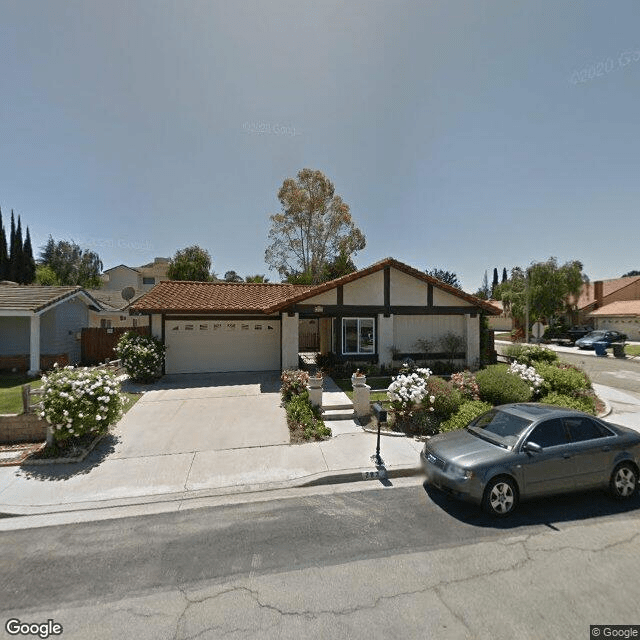
283 Baxter Street, Newbury Park, CA 91320
For more information about senior living options: (866) 208-4318
California Care RCFE Baxter Costs & Pricing
California Care RCFE Baxter offers competitive pricing for its residential care facilities when compared to both Ventura County and the wider California area. For a semi-private room, the monthly cost at Baxter is $3,000, which is notably lower than the county average of $3,438 and slightly below the state average of $3,333. When considering private rooms, California Care RCFE Baxter also presents an attractive option at $3,900, which remains more affordable than the Ventura County rate of $4,082 and is in line with the state average of $3,939. This pricing structure positions California Care RCFE Baxter as a cost-effective choice for families seeking quality care in a supportive environment.
| Floor plans | California Care RCFE Baxter | Ventura County | California |
|---|---|---|---|
| Semi-Private | $3,000 | $3,438 | $3,333 |
| Private | $3,900 | $4,082 | $3,939 |
Assisted Living communities with a similar price nearby
-
About the same
Thousand Oaks Home Care IV
$3,000 to $4,000 / month5.0 miles away -
About the same
Thousand Oaks Home Care II
$3,000 to $4,000 / month4.8 miles away -
About the same
Thousand Oaks Home Care VI
$3,000 to $4,000 / month5.0 miles away -
About the same
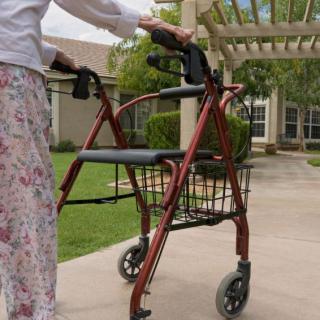
Navita Residence Edgemont Drive
$3,000 / month7.0 miles away -
from +$500 / mo
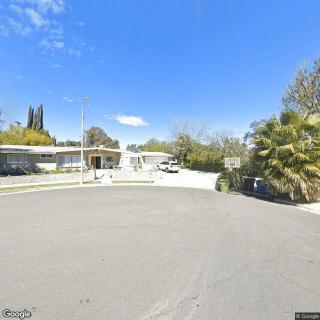
Assisted Comfort Home
$3,500 to $6,000 / month17.4 miles away
Overall Review of California Care RCFE Baxter
Pros
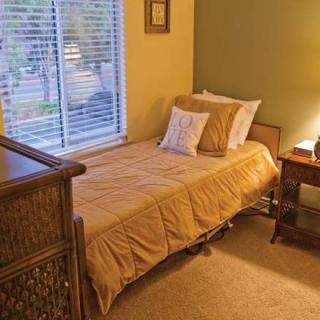
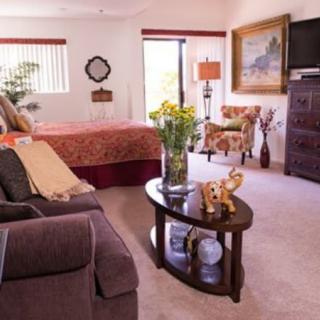
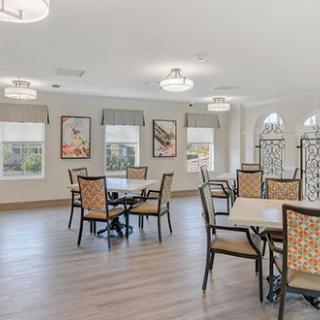
 The interiors are very bright.
- The courtyard is great for nice days.
- Guests can enjoy excursions to the park or library.
Review
California Care RCFE Baxter in Newbury Park is best suited for seniors who prize a bright, welcoming living space and easy access to outdoor time. The facility emphasizes sunlit common areas and a courtyard that invites daytime strolling. It serves residents who need light to moderate assistance rather than round-the-clock medical supervision, and who value a rhythm built around simple outings to nearby places like parks or libraries. For couples or individuals seeking a compact, homelike setting with predictable routines, this community offers a practical option that supports independence while delivering approachable support.
Care needs that go beyond routine help will push this community toward alternatives. Families should consider options with documented memory-care programming or with robust 24/7 nursing oversight if there is risk of wandering, advanced dementia, or complex medical conditions. The size and scope typical of RCFE settings often limit the depth of clinical services, rehab, or highly specialized dietary plans. If a resident requires intensive rehabilitation, frequent skilled nursing, or a broader range of therapeutic activities, a larger assisted-living campus or a licensed skilled-nursing facility may better match those needs. Budget and transportation considerations भी also influence whether a more comprehensive option makes sense.
Two practical advantages stand out and shape the day-to-day experience. The interiors’ brightness creates an uplifting atmosphere that can ease transitions for seniors adjusting to new surroundings. The courtyard offers safe, accessible outdoor time, which supports mood and social engagement without requiring strenuous activity. The opportunity for short excursions to parks or libraries adds variety and a sense of connection to the wider community, without demanding long trips. Taken together, these elements construct a livable backdrop that promotes comfort, light social interaction, and daily engagement, critical factors for residents who thrive with structure and pleasant surroundings.
Nonetheless, the impression left by the reviews points to potential gaps that families should scrutinize. The available feedback emphasizes ambiance and casual outings but does not spell out the full spectrum of care services, staffing stability, or memory-care capabilities. Without explicit detail on staffing ratios, licensed clinical oversight, and the availability of progressive care within the community, there is a risk that the space could outshine the actual caregiving capacity for residents with more demanding needs. The benevolent atmosphere does not automatically guarantee consistently reliable care, so it is essential to confirm what care is included, what triggers higher levels of service, and how care plans are developed and updated.
To move decisively, probe concrete operational details before deciding. Request typical caregiver-to-resident ratios by shift and the presence of a licensed nurse on site or on call. Seek clarity on medication management procedures, emergency response times, and incident reporting. Review a current, written care plan for a representative resident with moderate needs, and obtain a sample weekly activity calendar to gauge enrichment depth beyond outings. Inquire about dining options, meal prep, and dietary accommodations, along with safety features like accessible bathrooms and motion-activated alerts. Finally, ask about memory-care availability on-site or nearby and the process for escalating care if health conditions evolve.
Bottom line: this community is a strong match for families prioritizing a bright, airy environment with predictable routines and regular, short outings. It is well suited for residents who require light to moderate assistance and who place a premium on mood-friendly spaces and easy access to community activities. For those whose loved ones need intensive medical oversight, specialized memory support, or a wider array of on-site services, alternatives should be considered. A disciplined due diligence process, tours, candid conversations with staff, and a clear sense of costs and care trajectories, will reveal whether the charm of the space aligns with the resident’s long-term care needs.
 6 resident community capacity
 Assisted Living
 Board and Care Home
 Air-conditioning
 Cable or satellite TV
 Devotional services on-site
 Dining room
 Family education and support services
 Fully furnished
 Garden
 Housekeeping services
 Located close to restaurants
 Located close to shopping centers
 Move-in coordination
 Outdoor patio
 Outdoor space
 Private
 Respite or short term stays offered
 Telephone
 Wheelchair accessible showers
 Wi-Fi/high-speed internet available
 Oxnard (15 miles away)
 24-hour supervision
 Accept incoming residents on hospice
 Activities of daily living assistance
 Ambulatory care
 Assistance with bathing
 Assistance with dressing
 Assistance with transfers
 Dementia waiver
 Diabetes diet
 High acuity care
 Meal preparation and service
 Medication management
 Special dietary restrictions
 Transportation arrangement (medical)
 Transportation to doctors appointments
 Planned day trips

 Understanding the Distinctions: Assisted Living and Memory Care Explained
 Guiding Elderly Parents Who Refuse Assisted Living: 6 Practical Steps
 Your Comprehensive Guide to Luxury Assisted Living: Elevated Facilities, Amenities, and Costs