

269 N. Wendy Drive, Newbury Park, CA 91320
To contact a resident: (818) 661-8522
For more information about senior living options: (866) 208-4318
Thousand Oaks Senior Care Assisted Living Costs & Pricing
Thousand Oaks Senior Care Assisted Living offers competitive pricing for its residents, with costs that generally fall below the average for both Ventura County and the broader state of California. For semi-private accommodations, the monthly fee is $3,000, which is notably less than the county's average of $3,438 and California's average of $3,333. The private room option at Thousand Oaks is priced at $3,600 - also more affordable compared to Ventura County's average of $4,082 and the state's average of $3,939. Additionally, studio apartments are offered at $3,800, which remains lower than the county's average of $4,021 and California's average of $4,145. This pricing structure reflects Thousand Oaks Senior Care's commitment to providing accessible senior living options without compromising on quality care.
| Floor plans | Thousand Oaks Senior Care Assisted Living | Ventura County | California |
|---|---|---|---|
| Semi-Private | $3,000 | $3,438 | $3,333 |
| Private | $3,600 | $4,082 | $3,939 |
| Studio | $3,800 | $4,021 | $4,145 |
Memory care communities with a similar price nearby
-
from +$500 / mo
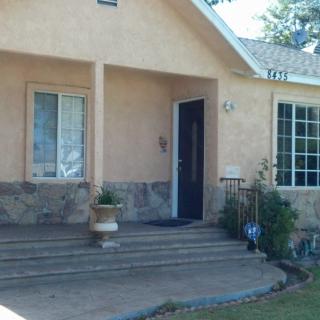
Paradise Senior Living 1
$3,500 to $4,500 / month22.4 miles away -
About the same

Navita Residence Edgemont Drive
$3,000 / month6.9 miles away -
from +$500 / mo
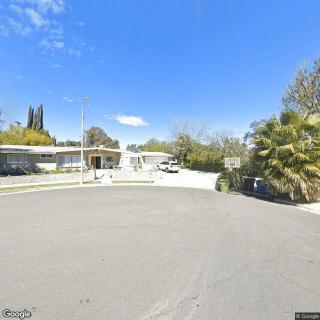
Assisted Comfort Home
$3,500 to $6,000 / month17.1 miles away -
from +$500 / mo
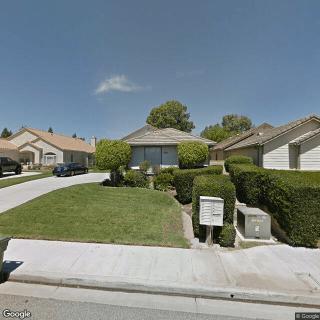
Blessed Family Living II
$3,500 to $3,800 / month13.8 miles away -
from -$500 / mo
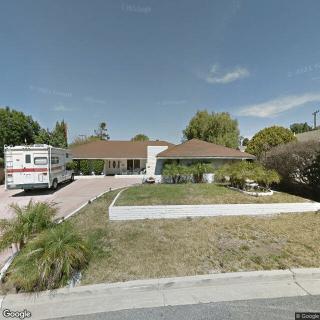
Familycare Cottage IV
$2,500 to $4,500 / month5.3 miles away
Overall Review of Thousand Oaks Senior Care Assisted Living
Pros
 They provide the best care for all patients.
- The owner really tries hard and wants residents to be happy.
- The owner asks questions to ensure residents are happy.
- The resident is thrilled with the food and meals are prepared to his tastes.
- The price is very good and the staff are happy.
Cons
 The activities don't apply to his loved one.
Review
Thousand Oaks Senior Care Assisted Living is best suited for families seeking a hands-on, resident-focused environment where caregiving quality and personal attention take priority. The community appears to operate as an owner-driven setting, with a clear emphasis on tailoring care to individual preferences, and a willingness to listen to family input. The reviews consistently highlight reliable staff and a management approach that puts residents’ happiness at the forefront, reinforced by favorable pricing that makes daily living affordable without sacrificing perceived quality. For families who want a warm, approachable atmosphere where daily routines feel personalized and predictable, this is a strong match.
Still, some families may want to consider alternatives if certain priorities are non-negotiable. Residents who expect a robust, highly structured activities calendar or who require more intensive medical oversight than typical assisted living provides may find the programming here less aligned with those needs. The notes indicate activities exist, but not every resident will find them engaging. Those seeking specialized memory care, a dining program that doubles as a central social engine, or a facility with broader clinical capabilities should compare options with larger staff teams and more expansive programming. In short, this community shines on individualized care but may not satisfy every dimension of senior living demand.
The primary positives function as a meaningful offset to the main trade-offs. Families consistently report that care quality is excellent, with staff who are cheerful and dependable. The owner’s hands-on approach, asking questions about a resident’s likes and dislikes and actively working to ensure happiness, creates a trustworthy, attentive environment. When meals become a standout feature, as one family notes their loved one is thrilled with the food and the kitchen can cater to preferences, that value is not merely incremental but transformative for daily life. In a market where comfort and consistency often hinge on caregiver reliability and responsive leadership, these strengths tip decisively in favor of Thousand Oaks for many prospective residents.
Meal service and dietary customization emerge as a core strength, effectively counterbalancing the concern that activities might not land with every resident. The ability to tailor menus to individual tastes, “what he likes,” in one account, turns daily nutrition into a meaningful, enjoyable experience rather than a commoditized routine. Combined with staff satisfaction and transparent, caring leadership, this creates a virtuous cycle: delighted residents, happier family feedback, and a staff culture that reinforces dependable, compassionate care. For families weighing value against quality, this alignment between food, mood, and attentive caregivers often proves decisive.
From a staffing perspective, the reported happiness of employees translates into practical advantages for residents: smoother day-to-day routines, consistent responses to needs, and a sense of stability in care teams. Small-scale operations frequently struggle with turnover, but the reviews paint a picture of a cohesive team that shows up reliably. For families prioritizing predictable, personable care where residents feel seen and heard, the staff environment is a tangible, differentiating asset. While no program is perfect, the demonstrated consistency and warmth offer a solid foundation for long-term comfort.
Bottom line: for families prioritizing personalized attention, attentive ownership, and value-driven pricing, Thousand Oaks Senior Care Assisted Living represents a compelling option. It’s particularly well-suited for residents who thrive on individualized care plans and high-quality meals, with staff who genuinely seem to enjoy their roles and know residents well. If activities alignment or enhanced clinical oversight is a priority, or if a richer programming calendar is non-negotiable, it pays to evaluate other communities side by side. A thoughtful visit, direct conversations with the owner and staff, and a crisp demands-and-offerings comparison will determine whether this is the right fit or if another path better matches the care goals and lifestyle expectations for a loved one.
 Board and Care Home
 Memory Care
 Activities off-site
 Bath tubs
 Devotional services off-site
 Indoor common areas
 Outdoor common areas
 Private
 Private bathrooms
 Respite or short term stays offered
 Wheelchair accessible showers
 Oxnard (15 miles away)
 Ambulatory care
 Diabetic care
 Incontinence care
 Medication management
 Kosher


 Why Do Dementia Patients Sleep So Much? Understanding Oversleeping, Stages, and Care Approaches
 8 Key Indicators That Suggest It May Be Time to Transition from Assisted Living to Skilled Nursing Care
 Nourishing the Mind: Essential Dietary Approaches for Dementia