
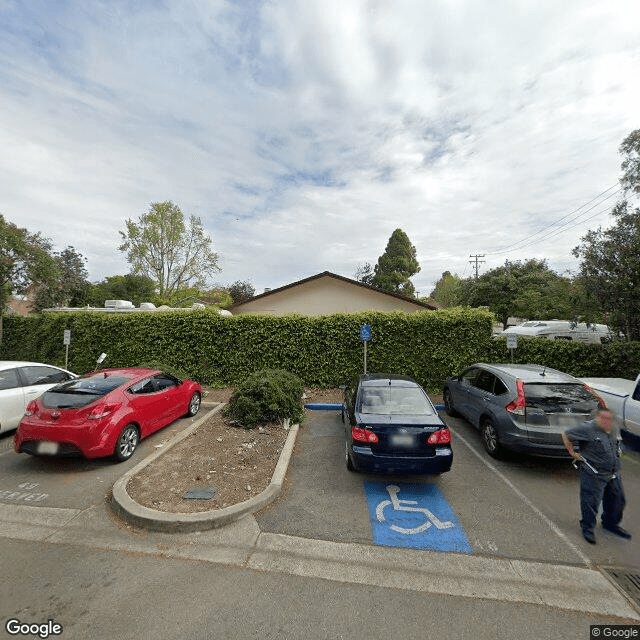
35322 Cedar Blvd, Newark, CA 94560
To contact a resident: (510) 791-8058
For more information about senior living options: (866) 208-4318
Overall Review of Newark Gardens II
Pros
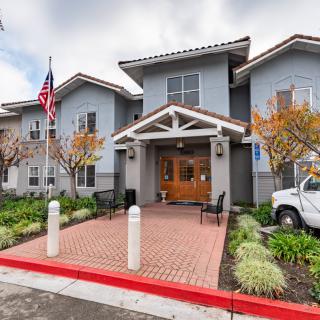
 The facility is nice for seniors, very well kept, and close to stores and eateries.
- It is described as the most convenient senior living place.
- It offers nice senior living for residents.
Cons
 The building has had a water leak for quite some time and smells like mold.
- Residents may be at risk of illness due to the ongoing water leak and mold.
Review
Newark Gardens II is best suited for budget-conscious seniors who want practical, walkable access to everyday services and who are comfortable in a Mandarin-speaking, culturally Chinese environment. The community leans heavily toward mainland Chinese residents, with the owner and subsidy structure shaping daily life around a Chinatown-tinged social scene. For seniors who communicate in Mandarin or Cantonese and who find familiarity in a close-knit, language-aligned peer group, the setting can feel like home without the premium price. The financials reflect government support for elderly residents, delivering rents that are more predictable than many peers. This is not a broad, cosmopolitan option; it serves a targeted niche where affordability and language compatibility trump Western diversity or English-centric service models.
Those who may want alternatives include seniors who prioritise rigorous maintenance, strong English-speaking staff, and a more diverse cultural milieu. The reviews hint at maintenance gaps, water leaks and odors, that can become health concerns for residents with respiratory sensitivities. If everyday life depends on clear English communication, consistent support services, and a Western social calendar, the Mandarin-heavy environment may feel isolating. Families evaluating Newark Gardens II should weigh whether language alignment and subsidized rent justify exposure to ongoing repair issues and the potential for persistent environmental smells.
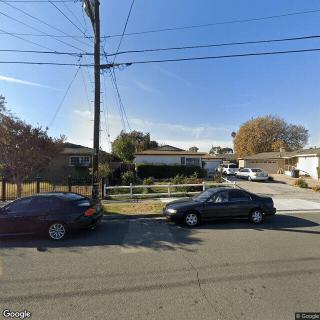
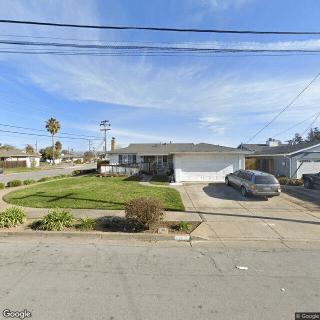
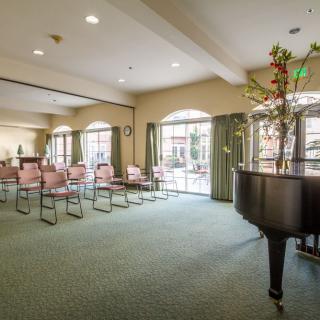
On the plus side, the facility reads as well-kept and reasonably maintained, with common areas appearing neat and functional. The location places residents within easy reach of groceries, pharmacies, eateries, and other daily conveniences, translating into tangible time savings and reduced driving. Convenience becomes a practical milestone for independent seniors seeking to minimize trips outside the neighborhood. Subsidies offered by the government make this option financially accessible for those on fixed incomes, creating a compelling argument for affordability. The cultural setting, while limiting for some, can offer a built-in community for Mandarin-speaking residents, reducing social friction for those who value linguistic convenience.
Yet the most consequential downside centers on ongoing maintenance issues. A water leak described as lingering, with a mold smell, signals potential indoor air quality risks and long-term health concerns. Such problems hint at maintenance and oversight gaps that should trouble anyone relying on this community for stable housing. The combination of a physically compromised environment and a language-lean setup raises red flags for families with residents who need consistent English communication and transparent remediation plans. In short, affordability and convenience only partially compensate for the health and safety risk if leaks go unaddressed.
Ultimately Newark Gardens II serves a precise niche. For residents who value cost savings and convenience, and who are comfortable navigating a Mandarin-majority culture, the pros can offset the drawbacks, provided repairs are prompt and air quality is monitored. For others, especially those with respiratory concerns, or those who require English-speaking staff and more Western social options, the cons outweigh any savings. The decision hinges on risk tolerance and language needs: can a family tolerate a known maintenance vulnerability in exchange for subsidized rent and proximity to services? A proactive approach, requesting current remediation plans, timelines, and independent air-quality checks, helps separate those who should stay from those who should seek alternatives.
When evaluating alternatives, families should insist on transparency about the water intrusion and mold, current occupancy and wait times, and the availability of bilingual staff or English-speaking representatives. Prospective residents should tour at different times to observe staff responsiveness and resident interactions, and to assess whether the Mandarin-speaking culture feels welcoming or insular. Important questions include: What is the current status of repairs and who oversees them? Are there long-term mitigation plans to prevent reoccurrence? How does rent scale with subsidies, and what is included in the price? In the end, Newark Gardens II offers a practical, affordable option for a specific senior population, with clear caveats that demand careful due diligence and candid discussions with management before committing.
 Active Adult Communities (55+)
 San Jose International (14 miles away)

 Senior Move Management: Understanding the Role, Value, and Associated Costs
 Weight Training for Seniors: Building Strength and Vitality
 Understanding the Sandwich Generation: Stress and Responsibilities for Multigenerational Caregivers