
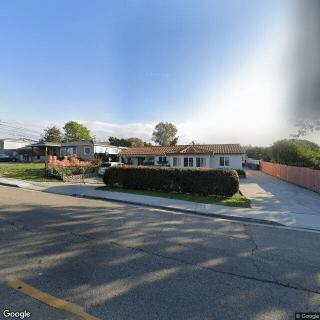
2835 Plaza Boulevard, National City, CA 91950
For more information about senior living options: (866) 208-4318
Overall Review of Caluya's Residential Facility
Pros
 The home is run by a wonderful administrator.
- The staff's patience makes everyone seem happy there.
Review
Caluya's Residential Facility in National City is best suited for seniors who want a compact, home-like environment where leadership and personal attention shape daily life. The clearest strength comes from an administrator whose steady, patient approach appears to translate into a peaceful atmosphere and content residents. Families prioritizing a small, intimate setting over a sprawling campus will likely find the rhythm here feels more like a private residence than a traditional facility. The vibe suggests everyday moments, shared meals, quiet conversations, and familiar faces, carry more weight than formal programming, which can be a major plus for those who value comfort and predictability over schedule-first routines.
Nevertheless, this community is not ideal for every care scenario. Alternatives should be considered for seniors needing around-the-clock medical oversight, complex health management, or highly structured cognitive support. If a resident requires frequent nursing interventions, regular skilled therapy, or memory-care tailored activities, larger assisted-living campuses or specialized memory-care settings may deliver the level of supervision and variety those needs demand. Prospective families should also be mindful of the fact that a single strong administrator cannot substitute for a robust, documented care framework that covers staffing patterns, emergency protocols, and ongoing clinical oversight.
The most persuasive pro, the administrator’s leadership, helps offset several potential gaps. When a home feels well run, caregivers tend to function more cohesively, and residents experience greater consistency in routine and supervision. The visible happiness and sense of contentment among residents serve as a practical indicator that care is responsive and personable, not rushed. In a small setting where staff move with a shared purpose, families can infer that care decisions are localized, individualized, and less prone to impersonal turnover. This can mitigate concerns about limited activity options or hurried service, provided expectations align with what a small home can realistically offer.
Yet the strength of one leader does not erase the realities of a residential facility’s framework. The core concern is the paucity of detailed information about staff coverage, formal care plans, medication management, and emergency response procedures. Without transparent data on caregiver-to-resident ratios, shift coverage, or on-site medical support, it remains difficult to gauge whether a resident with evolving or multiple health needs will receive timely attention. The location, National City, also influences access to external medical services, transportation options, and the consistency of supportive services, all of which matter when health fluctuates or care requirements intensify.
To make a well-informed choice, focused questions during tours will prove decisive. Verify who is on-site during mornings, afternoons, and nights, and ask for current staff credentials and ongoing training programs. Inquire about how care plans are developed, updated, and communicated to families, and who handles medication administration and oversight. Request specifics on meals, housekeeping, laundry, and the level of social or therapeutic activities available; clarify what happens if a resident’s needs exceed what the home can safely provide. Legal and financial clarity matters too: confirm licensing status, inspection histories, included services, and all costs up front to avoid surprises later. Meeting the administrator and a few direct caregivers can reveal whether the claimed warmth translates into reliable, day-to-day supervision.
The verdict rests on aligning the setting with the senior’s needs and the family's expectations for oversight. If the priority is a warm, stable, intimate environment where a strong administrator fosters a peaceful daily life and residents appear genuinely content, Caluya's Residential Facility presents a compelling option. However, if the resident’s health profile calls for extensive medical management, rapid access to skilled nursing, or robust, supervised activities designed for cognitive support, more expansive facilities with transparent clinical frameworks should be on the shortlist. The prudent course is to visit, compare with a couple of nearby alternatives, and evaluate staffing clarity, care planning, and financial terms with a discerning eye. In scenarios where care demands stay effectively within the home’s demonstrated capacity, Caluya’s could be a welcome match; where they do not, decisive exploration of alternatives will save time, stress, and unnecessary risk.
 6 resident community capacity
 Assisted Living
 Board and Care Home
 Respite Care
 Cable or satellite TV
 Dining room
 Fully furnished
 Garden
 Housekeeping services
 Move-in coordination
 Outdoor space
 Telephone
 Wi-Fi/high-speed internet available
 San Diego International-Lindbergh (8 miles away)
 24-hour supervision
 Activities of daily living assistance
 Assistance with bathing
 Assistance with dressing
 Assistance with transfers
 Diabetes diet
 Meal preparation and service
 Medication management
 Special dietary restrictions
 Transportation arrangement (medical)
 Transportation to doctors appointments





 Exploring the Path to Senior Living: A Comprehensive Look at Independent Living and Assisted Living
 Is Assisted Living Deductible on Your Taxes? Understanding the Complexities of Assisted Living Expenses and Deductions
 Assisted Living Support for Veterans: A Complete and Detailed Overview