
30221 Powderhorn Lane, Murrieta, CA 92563
For more information about senior living options: (866) 208-4318
Overall Review of New Hope Residential Elder Care II
Pros
 The owners, Telecia and Brian Cooke, are deeply involved in their residents' care.
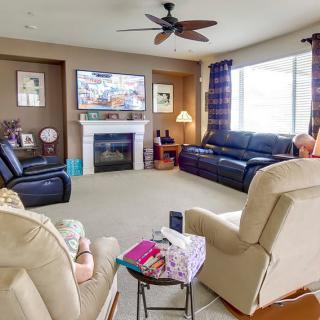
- The home is spotless, warm, and has a true home-like atmosphere.
- The caregivers are wonderful, respectful, and highly trained.
- The care provided is exceptional, giving families peace of mind.
- Residents are treated like family by the staff.
- The facility prioritizes safety with features such as call lights designed for senior safety.
- The cooks are great, contributing to a comforting, homelike experience.
Review
Based on the experiences shared about Copper Canyon Senior Care in Murrieta, this type of community is best suited for families seeking a small, home-like setting where owners are hands-on and care feels genuinely personal. The homes described are spotless, warm, and safety-forward, with design elements such as call lights that reinforce security for seniors who value the comfort of staying at a level that feels like home. Telecia and Brian Cooke emerge as the anchors of care, consistently described as humble and deeply involved, with caregivers who are respectful, well trained, and genuinely attentive. For families prioritizing intimate daily routines, dependable, bedside-level caregiving, and meals prepared with care, Copper Canyon presents a compelling fit that many families find reassuring during the transition from home.
Who should consider alternatives? Those with significant medical complexity or memory-care needs that require frequent on-site nursing, specialized therapies, or a highly structured clinical program may find a small, home-like setting less suited to their requirements. If the senior requires extensive rehabilitative services, continuous physician oversight, or a broad array of on-site specialists, a larger community with deeper clinical resources and more diverse programming may serve better. Similarly, households seeking expansive social calendars, resort-style amenities, or highly varied activity options might prefer a bigger campus with more formal programming. In short, medical intensity and program breadth are the key levers that should drive a comparison to alternatives.
The strongest pros are concrete and directly impactful: a consistently clean, welcoming environment; a home-like atmosphere that reduces the clinical distance many families fear; and a safety framework that includes accessible call systems. The owners’ direct involvement translates into consistently thoughtful care, with staff who are described as highly capable and invested in residents’ well-being. The caregiving team’s responsiveness, paired with the warmth of everyday interactions, yields clear benefits for peace of mind, emotional comfort, and the continuity of daily life, factors that often underwrite reduced caregiver turnover and stronger family trust. The culinary aspect, meals prepared with care, also matters, contributing to residents’ satisfaction and overall quality of life. Taken together, these advantages offset the anonymity and impersonal feel that can come with larger facilities.
From the reviews, no explicit drawbacks emerge, which in itself signals a strong alignment between what families want and what this model delivers. The implied con‑ of smaller settings is that they may not scale to handle high medical acuity or highly publicized programming, yet the narrative here suggests that the care quality, personal attention, and safety emphasis more than compensate for any such gaps. For families choosing a home-like path, the absence of notable negatives becomes a practical asset: predictable routines, consistent staff engagement, and a leadership style that prioritizes residents’ dignity and comfort. Still, this does not erase the need to verify a facility’s capacity to meet any evolving medical needs as a resident’s condition changes.
For decision-makers, practical steps matter as much as impressions. We recommend scheduling face-to-face time with the owners to observe how care plans are developed and updated, and to gauge responsiveness to questions about daily routines, medication management, and emergency procedures. Request current staff-to-resident ratios, inquire about staff turnover, and ask to meet direct caregivers who would be assigned to the senior. Taste-test the meals and observe dining routines, activities, and opportunities for meaningful engagement. Verify licensing status, and discuss respite care options, trial stays, and cost structures. These specifics often distinguish good intent from sustainable day-to-day reliability.
In sum, Copper Canyon Senior Care in Murrieta is a standout option for families seeking a nurturing, intimate, and highly engaged care environment where the senior can feel at home while receiving consistently attentive support. The combination of immaculate spaces, a warm, family-like culture, hands-on ownership, and capable caregivers yields a powerful value proposition for those prioritizing safety, emotional well-being, and everyday quality of life. If medical complexity or broad, on-site clinical programming becomes a reality, it is wise to compare with larger communities; otherwise, this home-style model delivers a practical, low-stress pathway to trusted elder care that many families will find compelling.
 6 resident community capacity
 Assisted Living
 Board and Care Home
 Cable or satellite TV
 Dining room
 Fully furnished
 Garden
 Housekeeping services
 Move-in coordination
 Outdoor space
 Telephone
 Wi-Fi/high-speed internet available
 24-hour supervision
 Activities of daily living assistance
 Assistance with bathing
 Assistance with dressing
 Assistance with transfers
 Diabetes diet
 Meal preparation and service
 Medication management
 Special dietary restrictions
 Transportation arrangement (medical)
 Transportation to doctors appointments



 Choosing the Right Senior Care: A Detailed Exploration of Assisted Living and Nursing Homes
 Understanding the True Cost of Assisted Living in 2025: A Comprehensive Guide
 Understanding Medicaid Coverage for Assisted Living: A Comprehensive Guide