
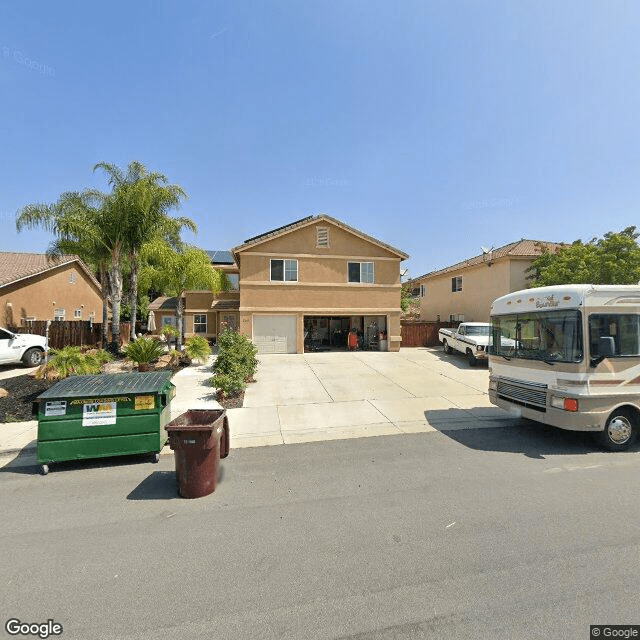
27892 Busman Road, Murrieta, CA 92563
For more information about senior living options: (866) 208-4318
Overall Review of Busman Residential Care
Pros
 The resident is doing very well for a 91-year-old with dementia.
- He has gained strength in his legs by walking up and down the stairs.
- He enjoys the food and visiting/watching TV with his housemates.
- Norma, John, James, and the rest of the staff are fantastic and keep families updated.
- The facility is described as an excellent care facility.
- The team at Busman took very good care of a dear friend with dementia.
Review
Busman Residential Care in Murrieta, California is best suited for families seeking a small, dementia-capable home where caregivers know residents well and communication with families is deliberate and reliable. The setting appears ideal for a 90-something dementia patient who benefits from predictable routines, social time with housemates, and tangible daily progress. Positive notes from families emphasize a resident who has gained leg strength by ongoing activity, along with meals that are enjoyed and meaningful connections during TV time. The caregiving team, Norma, John, James, and their colleagues, receives steady praise for responsiveness and regular updates, signaling a tight-knit operation that prioritizes relationships and ongoing family contact.
Those who may want to consider alternatives are families seeking more formal memory-care programming, higher or more visible medical oversight, or a larger campus with a broader activity slate. Busman’s small-scale model and a 3.7 rating, while respectable, imply that experience can vary and may not satisfy families looking for intensive clinical services, robust on-site physicians, or guaranteed access to a full range of therapies. The presence of a one-star review indicates some dissatisfaction or mismatch in expectations for at least one resident or family, underscoring the importance of direct visits, targeted questions, and confirmation of day-to-day practices before committing.
On balance, the strongest advantages at Busman lie in staff dedication, resident-visible improvements, and the social environment. The ability of a 91-year-old dementia patient to walk stairs and regain strength signals purposeful daily activity, attentive supervision, and a focus on functional gains. Food enjoyment and companionship opportunities highlight a quality-of-life emphasis that can significantly affect well-being for residents who resist isolation. Frequent, concrete updates from Norma, John, James, and others help families stay connected and reassured about care. These positives offset potential drawbacks tied to size or breadth of programming by delivering safety, continuity, and a sense of belonging that larger facilities sometimes struggle to maintain.
When evaluating, families should press for specific assurances: exact staffing ratios during day and evening shifts, the involvement of a licensed clinician in care planning, and how dementia-specific needs are integrated into daily routines. Inquire about activity calendars, meal adaptability, mobility assistance protocols, fall prevention, medication management, and how progress is tracked over time. Seek opportunities to speak with current residents’ families about their experiences, and arrange multiple visits at different times to observe staff-resident interactions, meal service, and the level of proactive communication. Establish clear expectations for how and when updates are provided and through which channels.
Compared with larger, memory-care-focused campuses, Busman offers intimacy and responsiveness that can be decisive for families prioritizing personal connection over breadth of services. For those requiring robust medical oversight or highly structured dementia programs, alternatives with established memory-care units, on-site physicians, and diversified therapies may be a better fit. Conversely, if budget, pace, and the value of knowing caregivers by name matter, Busman can deliver more meaningful daily life than a sterner, more clinical setting. The right choice hinges on balancing the resident’s daily needs, the family’s tolerance for variability, and the preferred level of family involvement.
In final judgment, Busman Residential Care is a practical option for seniors with dementia who thrive on personal attention, regular updates, and social engagement within a small, home-like community. It is less suited for families seeking intensive medical management or advanced memory-care programming on a larger campus. Prospective residents should plan deliberate visits, scrutinize staffing patterns, and confirm the availability of medical oversight that aligns with the required level of care. When these elements align, the community can offer a nurturing, connected environment where daily strength, appetite, and mood are supported by a committed team and a familiar rhythm that feels like a steady, dependable home.
 6 resident community capacity
 Assisted Living
 Board and Care Home
 Cable or satellite TV
 Dining room
 Fully furnished
 Garden
 Housekeeping services
 Move-in coordination
 Outdoor space
 Telephone
 Wi-Fi/high-speed internet available
 24-hour supervision
 Activities of daily living assistance
 Assistance with bathing
 Assistance with dressing
 Assistance with transfers
 Diabetes diet
 Meal preparation and service
 Medication management
 Special dietary restrictions
 Transportation arrangement (medical)
 Transportation to doctors appointments

 An Extensive Exploration of the VA Aid and Attendance Benefit
 Senior Transition Services: Understanding Their Role, Cost, and Importance
 Exploring the Path to Senior Living: A Comprehensive Look at Independent Living and Assisted Living