
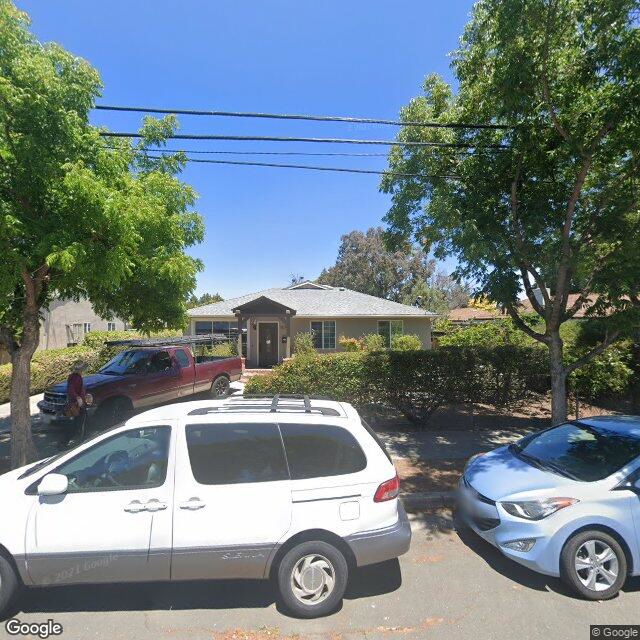
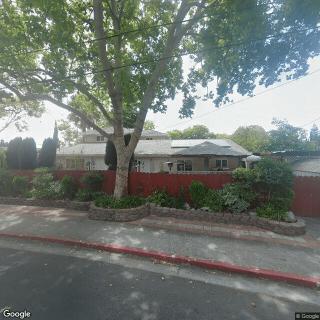
1874 Villa Street, Mountain View, CA 94041
For more information about senior living options: (866) 208-4318
Aaedita Residential Care Home Costs & Pricing
Aaeditia Residential Care Home offers private room accommodations at a competitive rate of $4,000 per month. This pricing is slightly below the average cost in Santa Clara County, which stands at approximately $4,096, providing a valuable option for residents seeking quality care without reaching the county's higher thresholds. When comparing this to the broader California market, where the average monthly expense for similar private rooms is around $3,939, Aaeditia presents itself as a solid choice for those looking for a balance of affordability and specialized residential care. Overall, this positioning reflects both a commitment to accessible living and an understanding of the financial landscapes within which potential residents are navigating.
| Floor plans | Aaedita Residential Care Home | Santa Clara County | California |
|---|---|---|---|
| Private | $4,000 | $4,096 | $3,939 |
Memory care communities with a similar price nearby
-
from -$305 / mo
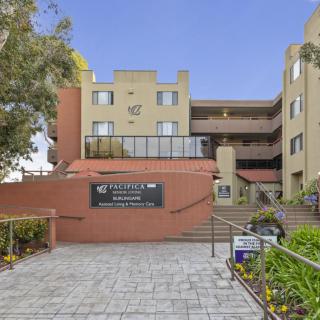
Pacifica Senior Living Burlingame
$3,695 to $6,400 / month18.6 miles away -
from +$600 / mo

The Pavilion
$4,600 / month14.5 miles away -
from +$470 / mo

Aegis of Fremont
$4,470 to $6,420 / month11.9 miles away -
from -$405 / mo
Atria Willow Glen
$3,595 to $6,295 / month12.5 miles away -
from +$500 / mo
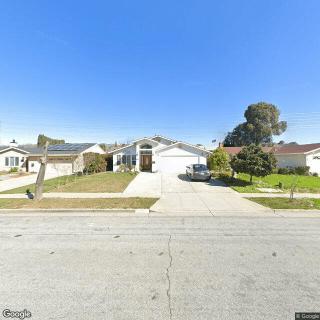
Kingdom Hearts Care Home
$4,500 to $5,000 / month17.2 miles away
Overall Review of Aaedita Residential Care Home
Pros
 The administrator is friendly.
- The administrator's friendliness contributes to a welcoming environment for residents.
- The presence of a friendly administrator is a positive aspect noted in the review.
Cons
 There is no program at the facility.
- The caregivers need instruction on how to be social.
- One resident mumbles to himself.
- Two residents never come out of their rooms.
- It would not be a place to put someone who is social and needs care and attention.
Review
Aaedita Residential Care Home in Mountain View is best suited for a senior who wants a tiny, home-like setting with minimal programming and does not depend on regular social activities or structured care routines. The two available reviews describe a five-resident house (three elderly men and two women) where quiet, in-room living is the norm. The administrator is noted as friendly, which can feel reassuring in a small, personally run setting. However, the absence of a formal activities calendar or planned engagement means that someone who thrives on routine, social interaction, and purposeful activity will likely find the environment underwhelming and isolating.
Families should explicitly consider alternatives if social stimulation, consistent caregiver engagement, or cognitive- and activity-focused support is a priority. The reviews reveal residents who rarely step out of their rooms, with at least one resident mumbling to himself, suggesting potential cognitive or communication challenges that are not being addressed through programming. In such a context, a facility that can offer structured daytime activities, supervised socialization, and targeted supervision becomes essential. For any senior who requires daily interaction, reminders, or discreet prompts to participate, this home risks leaving needs unmet.
The main advantage implied by the reviews, the administrator’s friendliness, does not fully offset the core drawbacks. A warm front desk can improve day-to-day perceptions, but without a formal program and with caregivers needing guidance on how to be social, the day-to-day experience lacks the intentionality necessary for meaningful engagement. The small size may seem intimate, yet it appears to translate into limited reach: with only five residents, there is little staff bandwidth to create or sustain activities, monitor socialization, or respond quickly to subtle changes in mood or cognition. In practical terms, the upside of a cozy, low-traffic setting is overshadowed by a routine that feels under-resourced.
From a decision-making standpoint, the risks call for concrete checks before committing. Prospective families should request specifics on staffing ratios, caregiver training in social engagement, and the availability of activities or outings, not just a verbal commitment. Observe how staff interact with residents during a visit, noting whether encounters feel transactional or genuinely companionable. Ask for a sample weekly schedule, and inquire about how memory- or behavior-related needs are managed. The presence of one resident who mumbles and others who stay in rooms should prompt insistence on a clear plan for cognitive support, safety monitoring, and individualized activity options.
In the balance of considerations, this community does not appear to meet the expectations of families seeking vibrant daytime structure or robust social opportunities. The two reviews consistently highlight the lack of programming and the limited social engagement, which are significant red flags for anyone with moderate to high activity needs or with residents who rely on regular stimulation to maintain mood and function. The friendly administrator helps, but it cannot substitute for a proactive program, attentive caregiving, and a care plan that anticipates daily engagement. Those realities strongly steer families toward alternatives with demonstrated activity staffing, more expansive programming, and proven engagement practices.
Ultimately, Aaedita Residential Care Home is a narrow fit. It might serve a senior who prioritizes a quiet, private environment and does not require a structured activity calendar or frequent social prompts. For someone who values companionship, routine outings, and consistent opportunities to socialize and participate in meaningful tasks, alternatives in Mountain View or nearby towns are advisable. Look toward larger, better-staffed assisted living options or small homes with documented activity directors and clear engagement strategies. The decision should hinge on whether daily social interaction and a proactive care approach can be secured, because on those metrics, this residence currently falls short.
 6 resident community capacity
 Assisted Living
 Board and Care Home
 Memory Care
 Cable or satellite TV
 Dining room
 Fully furnished
 Garden
 Housekeeping services
 Move-in coordination
 Outdoor space
 Private
 Telephone
 Wi-Fi/high-speed internet available
 San Jose International (9 miles away)
 24-hour supervision
 Activities of daily living assistance
 Assistance with bathing
 Assistance with dressing
 Assistance with transfers
 Diabetes diet
 Diabetic care
 Hospice waiver
 Meal preparation and service
 Medication management
 Mental wellness program
 Special dietary restrictions
 Transportation arrangement (medical)
 Transportation to doctors appointments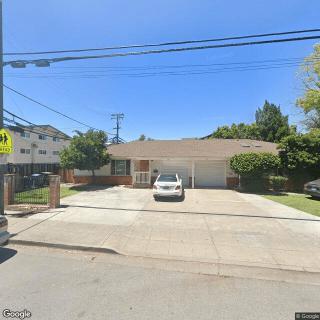
 Dementia-Related Hallucinations: Causes, Experiences, and Practical Approaches
 Illuminating Insights About Alzheimer's Disease: Ten Crucial Realities
 A Thorough Discussion of Medications Potentially Linked to Dementia Risk