
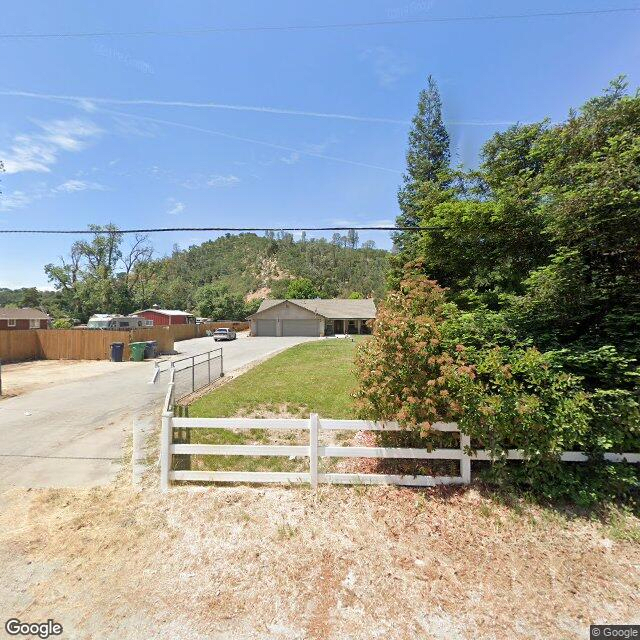
7150 Sicamore Road, Atascardeo, CA 93442
To contact a resident: (805) 462-1003
For more information about senior living options: (866) 208-4318
Bella Vita Assisted Living Costs & Pricing
Bella Vita Assisted Living offers competitive pricing in comparison to both San Luis Obispo County and the broader California market. For a semi-private room, residents pay $3,400 per month, which is slightly lower than the county average of $3,575 and also compares favorably against the state average of $3,333. Similarly, for those opting for a studio, Bella Vita's rate of $3,900 is more economical than the county's average of $4,108 and is close to California's overall average of $4,145. These rates reflect Bella Vita's commitment to providing quality care at accessible prices while ensuring residents can enjoy a comfortable living environment.
| Floor plans | Bella Vita Assisted Living | San Luis Obispo County | California |
|---|---|---|---|
| Semi-Private | $3,400 | $3,575 | $3,333 |
| Studio | $3,900 | $4,108 | $4,145 |
Assisted Living communities with a similar price nearby
-
from -$200 / mo

Oak Park Manor
$3,200 / month24.2 miles away -
About the same
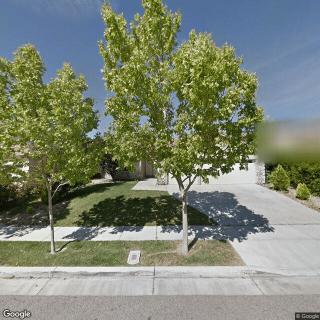
Christian Home For The Elderly
$3,500 to $4,200 / month10.0 miles away -
from -$500 / mo

The Villages of San Luis Obispo
$2,900 to $4,800 / month14.1 miles away -
from -$600 / mo

Avila Senior Living at Downtown SLO
$2,800 to $6,800 / month15.1 miles away -
from -$400 / mo

Sunrise Terrace
$3,000 to $4,000 / month16.4 miles away
Overall Review of Bella Vita Assisted Living
Pros
 The staff is wonderful.
- The owner is friendly, professional, kind, and caring.
- The facility is very clean.
- It is a great place for a loved one.
Review
Bella Vita Assisted Living in Atascardeo is best suited for families seeking a small, intimate environment where staff attentiveness and daily warmth are the core promise. The community stands out when residents value reliable, hands-on care delivered in a clean, homelike setting, with the owner deeply involved in day-to-day operations and resident well-being. This is not a sprawling campus chasing every new amenity; it is a focused, people-first option ideal for seniors who thrive on personal connections, predictable routines, and easy access to leadership when questions or concerns arise. For families prioritizing dignity, direct communication, and a sense of belonging, Bella Vita delivers.
On the flip side, this appears less suited for those requiring heavy medical oversight or memory-care specialization on site. The current profile emphasizes daily caregiving and relationship-building rather than hospital-grade services, which means families should consider whether robust nursing coverage, specialized therapies, or comprehensive care transitions are essential. If a broader activity calendar, transportation for outings, or on-site rehabilitation services are priorities, alternatives with more extensive medical infrastructure may be a better match. Those needing a large, diverse community with multiple support tracks will likely outgrow a smaller, tighter operation.
Two crisp observations from resident feedback center on people: the staff is wonderful, and the owner is friendly, professional, kind, and caring, with the environment described as very clean. Those qualities translate into dependable daily life, the kind of consistency that reduces anxiety for both residents and families. When friendliness and professionalism are baked into every shift, questions get answered quickly, requests are honored, and care routines feel personalized rather than generic. In a setting where bigger operators can feel impersonal, that human focus becomes a compelling counterweight to any missing bells and whistles.
Cleanliness pairs with leadership accessibility to create a predictable, trustworthy rhythm, meals, housekeeping, safety checks, and social engagement all benefit from visible oversight. The trade-off tends to be fewer resources allocated to expansive amenities or extensive medical programming. For residents who prize a quiet, orderly environment and frequent staff familiarity, the positives produce real peace of mind and lower care-related stress. For families anticipating a wide range of therapies, frequent outings, or on-site clinical services, this balance may feel constraining. The key is whether the resident’s daily joy comes more from stable routine and familiar faces than from a bustling activity calendar.
Practical due diligence should confirm how the community handles nursing coverage, medication management, and dietary accommodations, as well as how families are kept informed about daily life and any changes in care needs. The owner’s direct involvement is a strength, but it also means responsiveness may hinge on one person’s schedule. Prospective residents should visit to assess how the staff respond to emergencies, what a typical day looks like, and whether the social calendar aligns with the resident’s interests. In smaller settings, it’s wise to probe whether transportation, rehab support, and beauty or fitness services meet current expectations.
Bottom line: Bella Vita Assisted Living is a strong fit for families seeking a warm, clean, and tightly run home where residents are known by name and care is delivered with genuine kindness. It’s a compelling choice for seniors who value personal relationships with staff and leadership and who do not require heavy on-site medical interventions. Those who demand extensive medical support, memory‑care programming, or a wide activity slate may want alternatives with broader clinical resources. For the right profile, an intimate, resident-centered environment with a steady, hands-on owner, Bella Vita offers dependable, peace-of-mind care that families can trust through the transition into senior living.
 Assisted Living
 Activities on-site
 Devotional services off-site
 Indoor common areas
 San Luis Obispo Co-McChesney (18 miles away)
 Ambulatory care
 Diabetic care
 Meals provided




 Beyond the Bingo Hall: 50+ Enriching Activities for Seniors in Assisted Living
 Understanding the Distinctions: Assisted Living and Memory Care Explained
 Guiding Elderly Parents Who Refuse Assisted Living: 6 Practical Steps