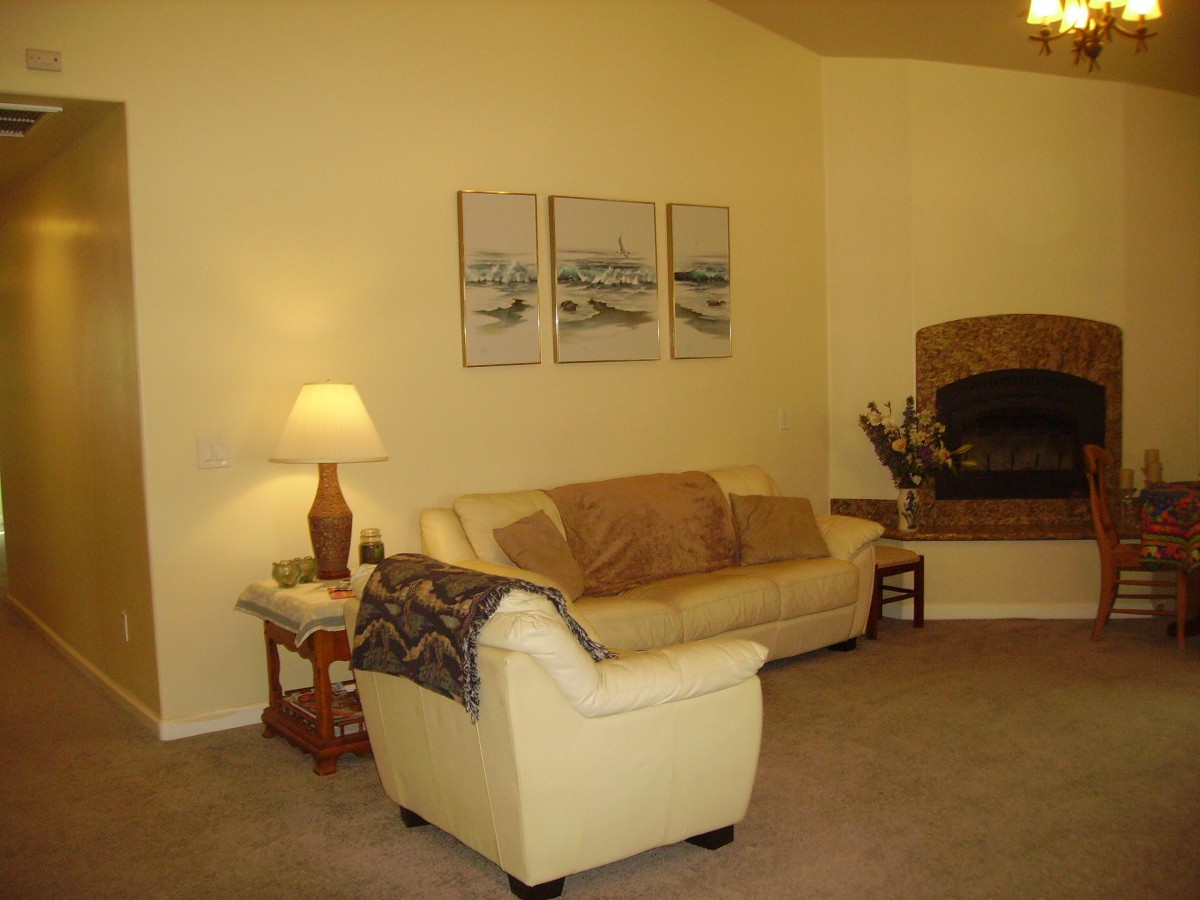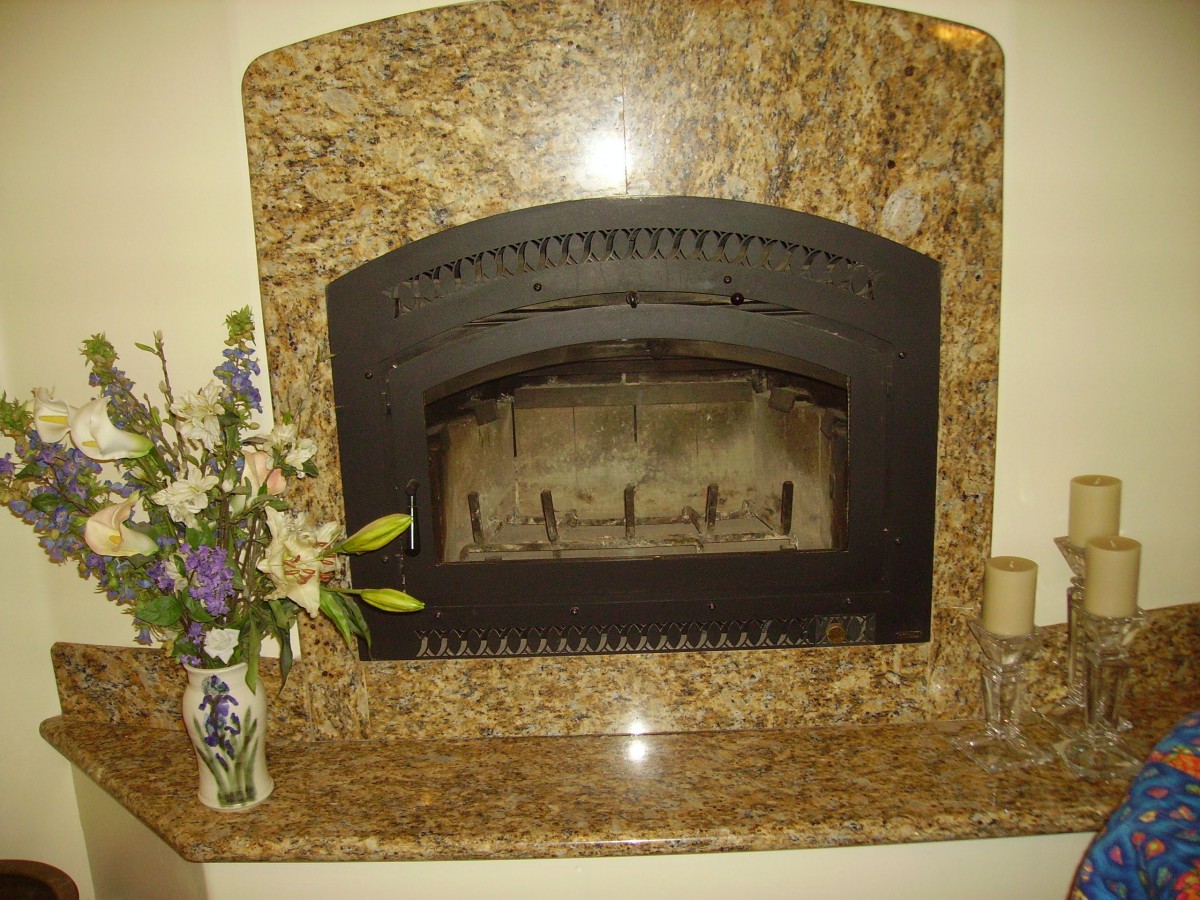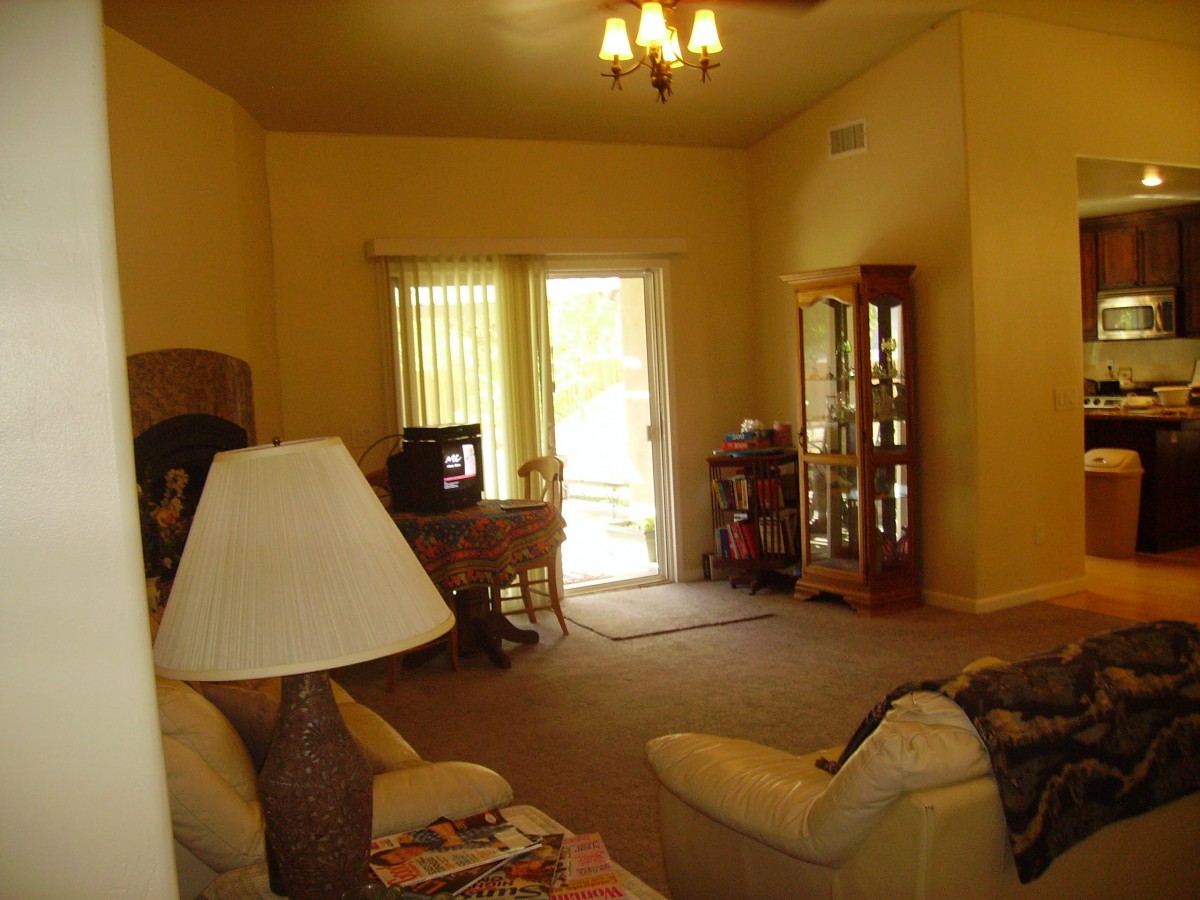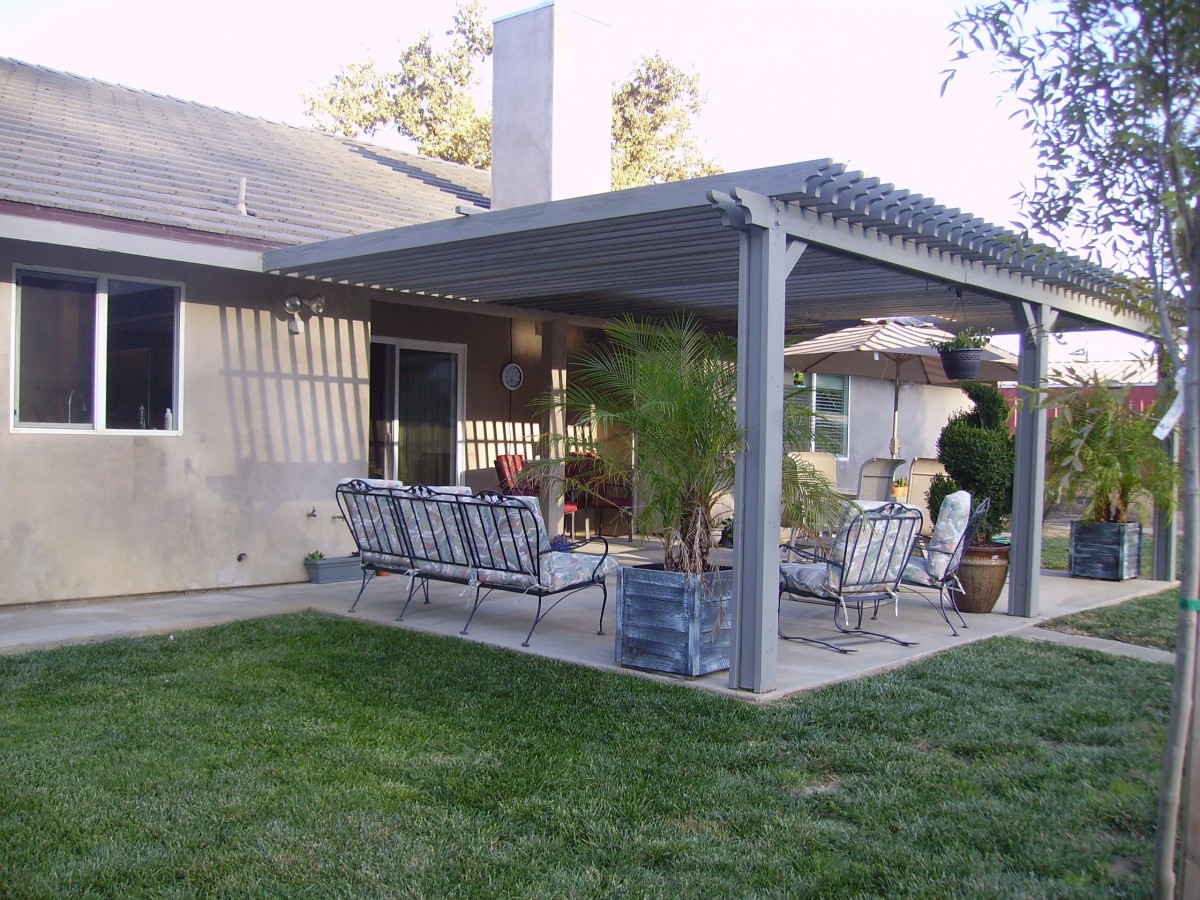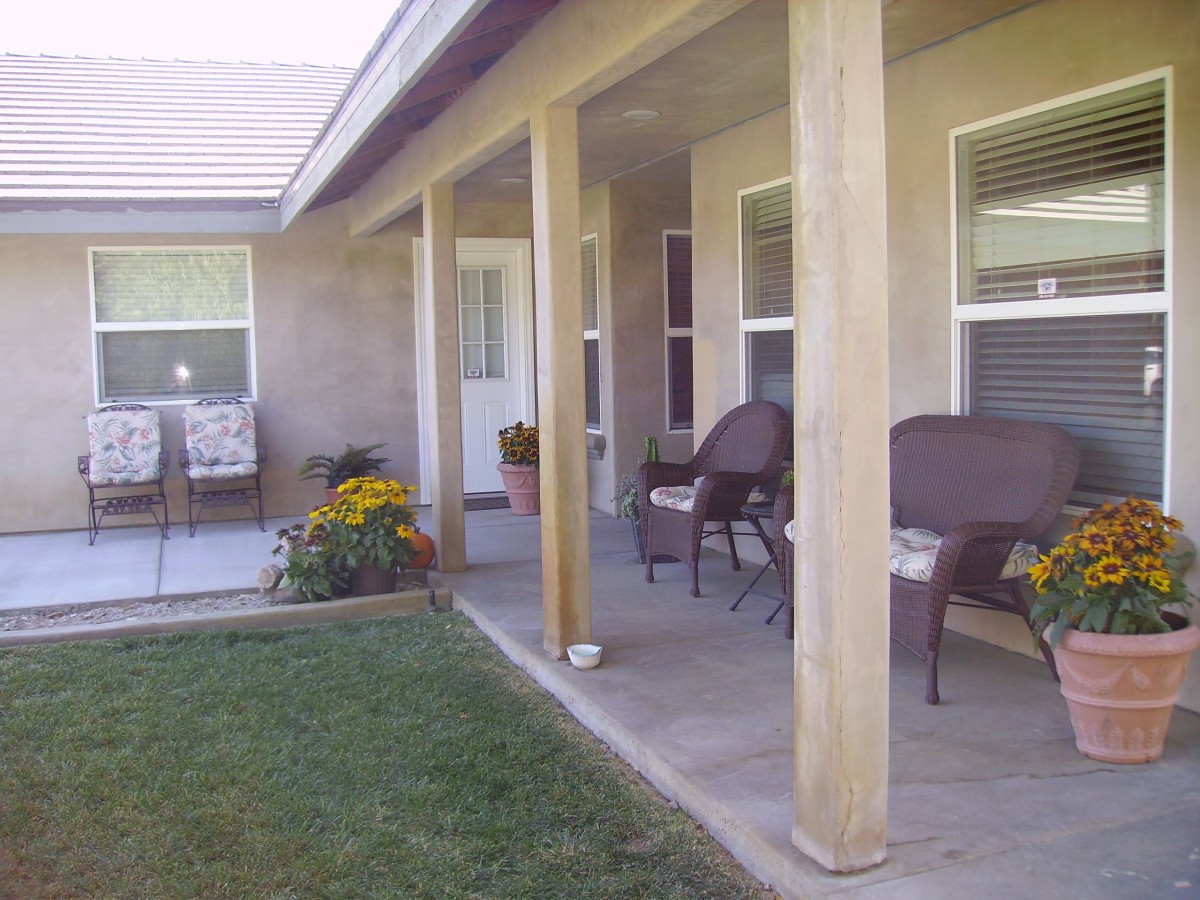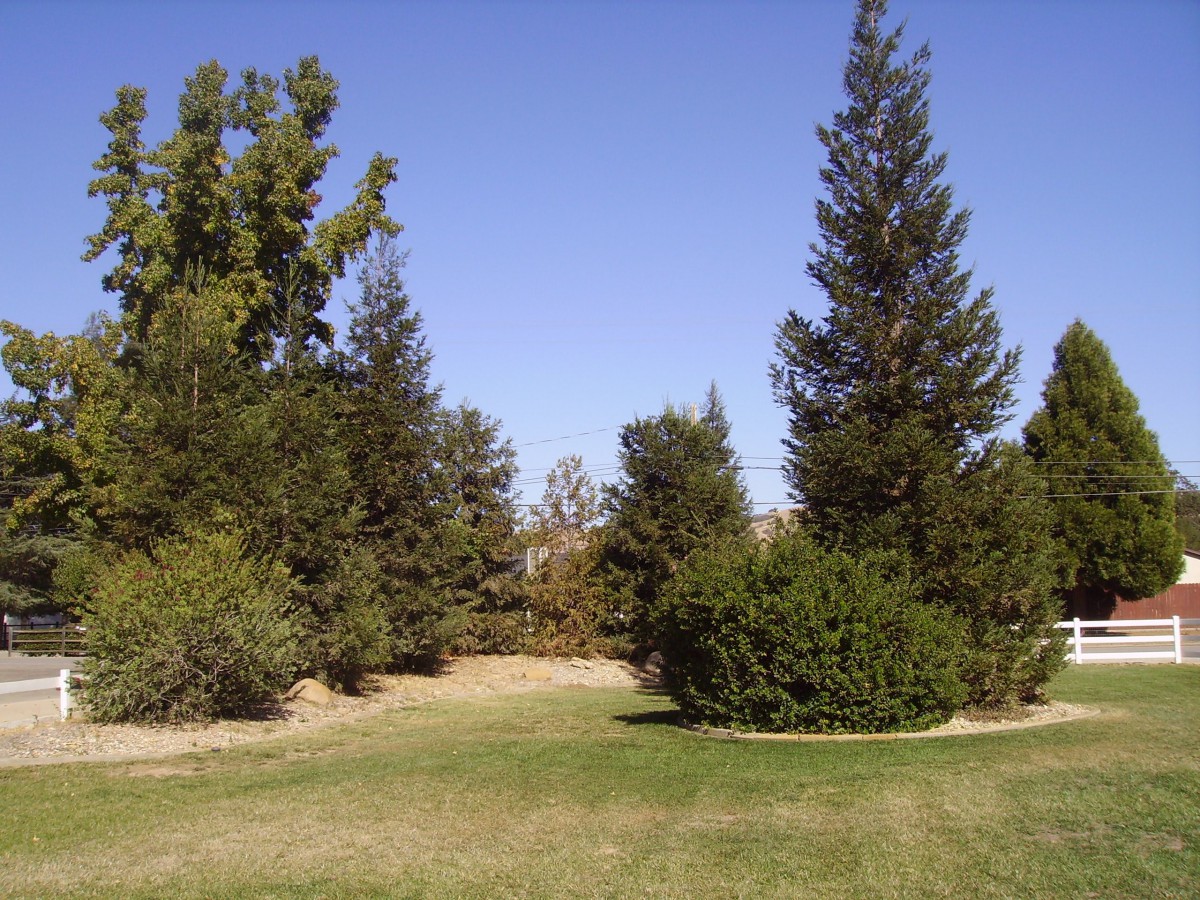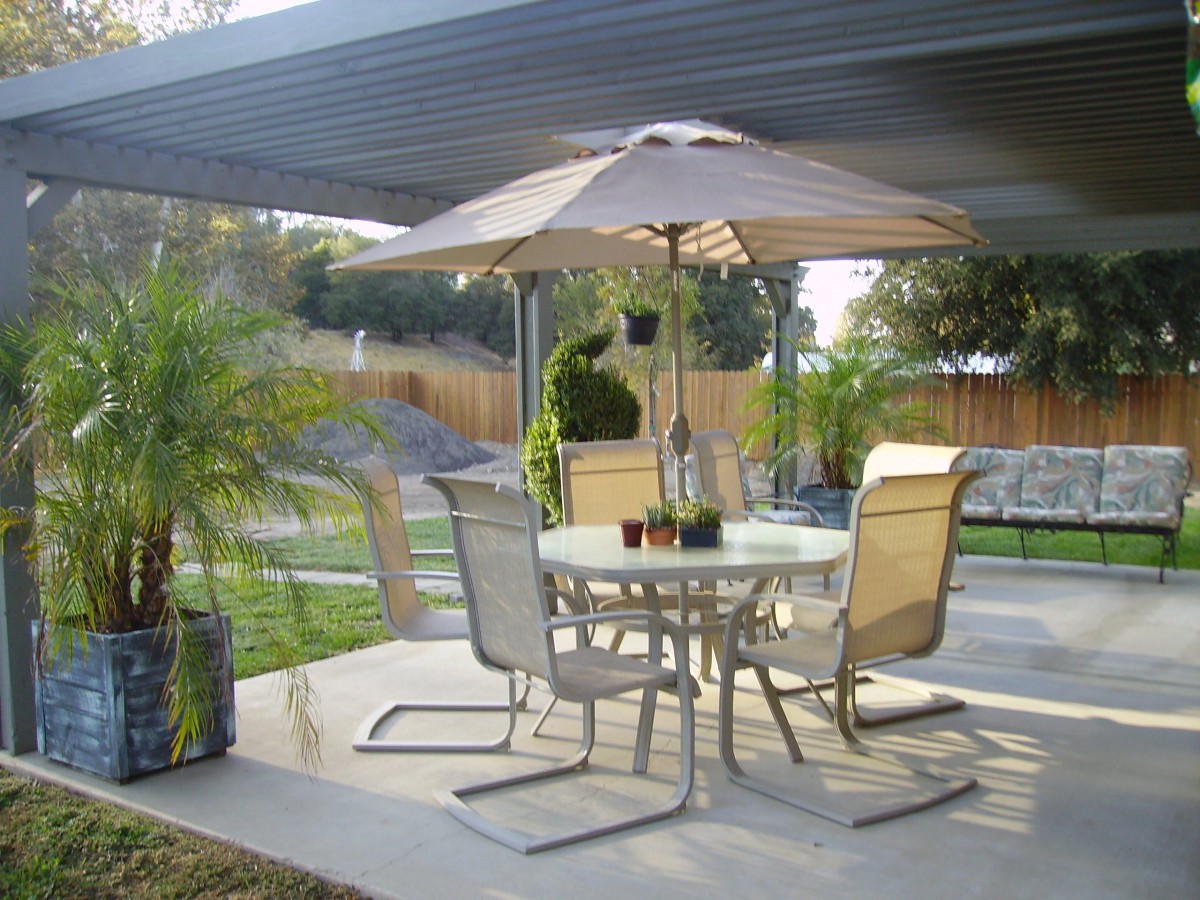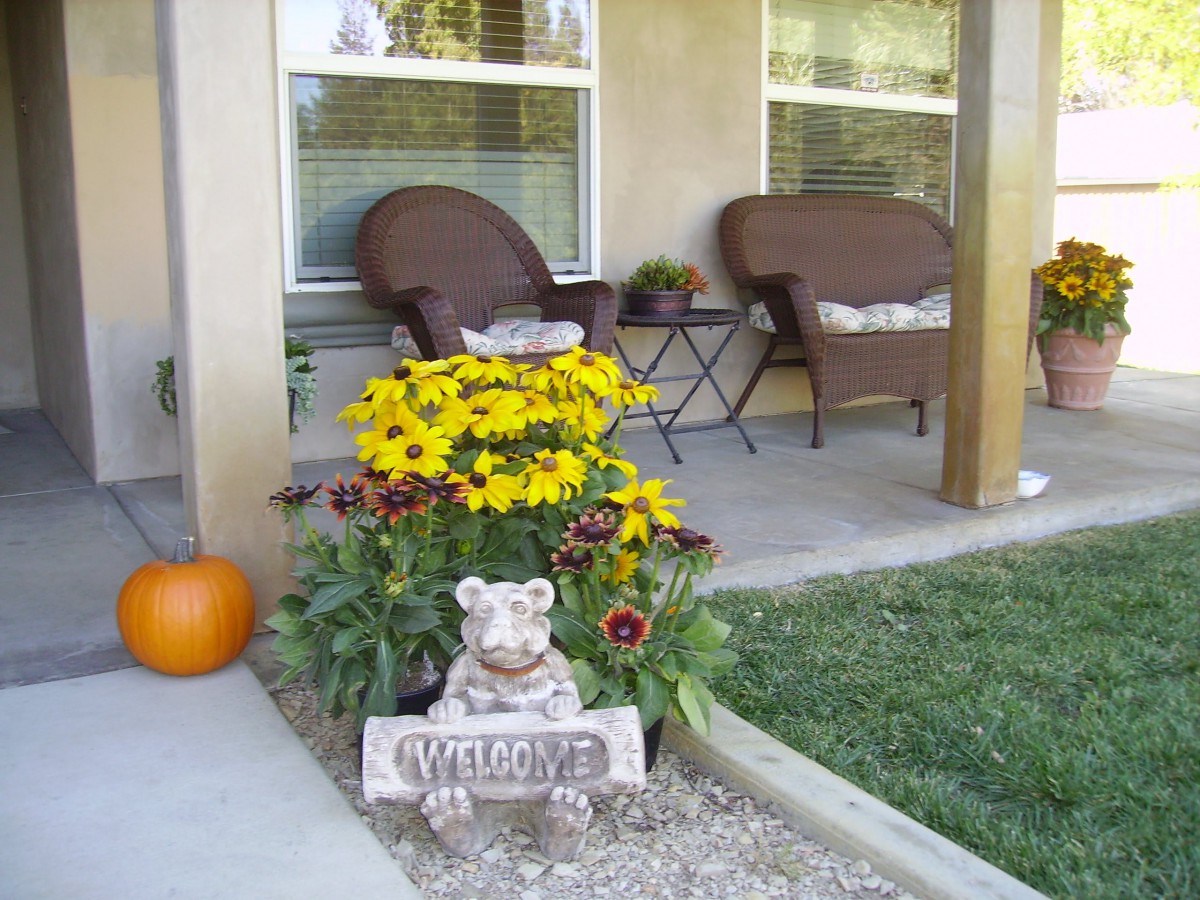
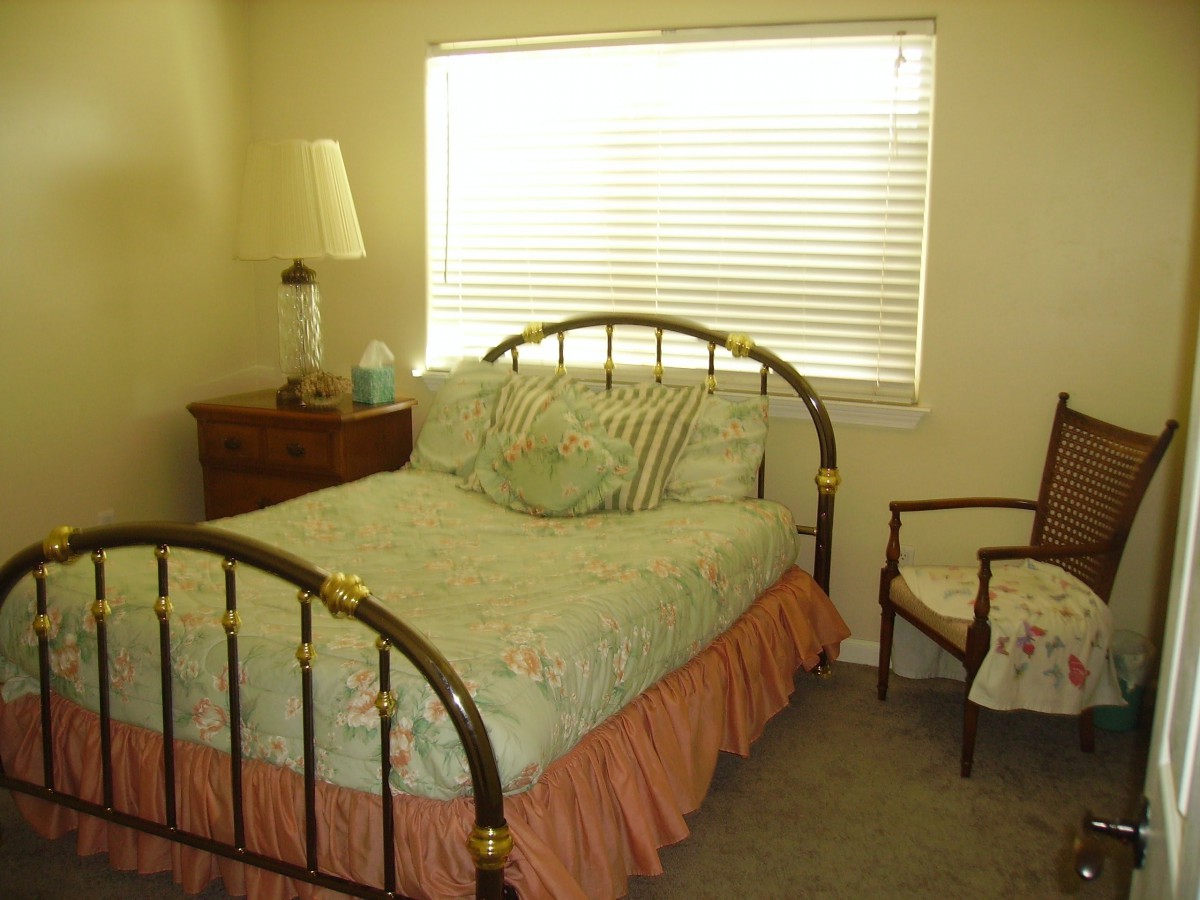
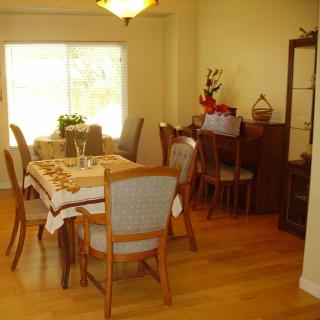
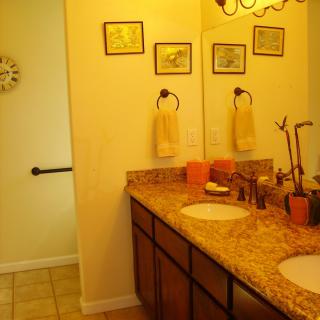
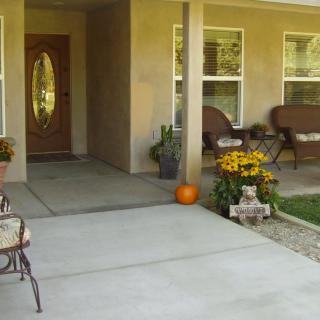
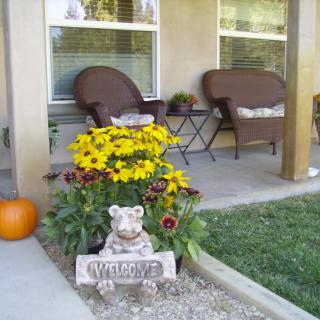
7150 Sycamore Road, Atascadero, CA 93422
For more information about senior living options: (866) 208-4318
Bella Vita Assisted Living Costs & Pricing
Bella Vita Assisted Living offers competitive pricing for its residents compared to both San Luis Obispo County and the broader state of California. For semi-private rooms, Bella Vita's monthly cost of $3,800 is slightly higher than the county's average of $3,575 but remains above the state average of $3,333. In terms of private accommodations, the facility charges $4,500 per month, which is marginally higher than San Luis Obispo County's figure of $4,372 and exceeds California's average rate of $3,939. For those seeking more spacious living arrangements in a one-bedroom setup, Bella Vita's price stands at $5,000. This is notably higher than both the county's average of $3,994 and the state's average of $4,340. Overall, while Bella Vita Assisted Living positions itself at a premium compared to local counts and statewide averages, it reflects the quality care and services provided within its community-centric environment.
| Floor plans | Bella Vita Assisted Living | San Luis Obispo County | California |
|---|---|---|---|
| Semi-Private | $3,800 | $3,575 | $3,333 |
| Private | $4,500 | $4,372 | $3,939 |
| 1 Bedroom | $5,000 | $3,994 | $4,340 |
Memory care communities with a similar price nearby
-
from +$212 / mo
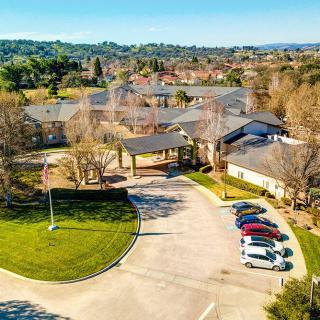
Creston Village
$4,012 to $7,025 / month7.8 miles away -
from -$500 / mo
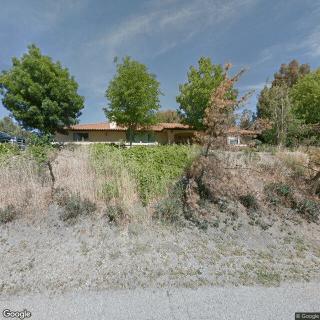
The Residence II
$3,300 to $3,800 / month7.3 miles away -
from +$200 / mo
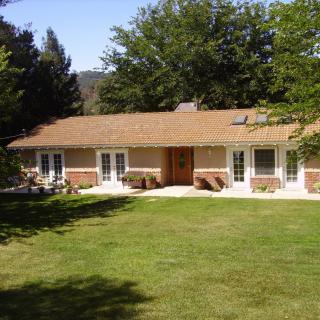
A Touch Above Care, INC.
$4,000 to $5,445 / month3.6 miles away -
from +$700 / mo
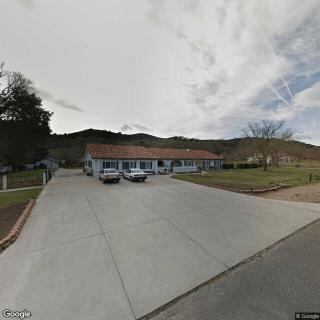
Paradise Valley Care
$4,500 to $4,900 / month3.6 miles away -
from -$505 / mo
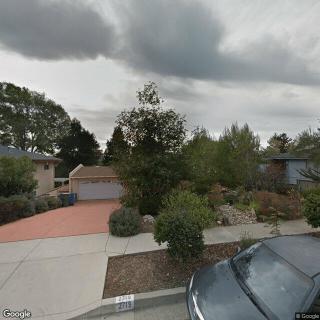
Anna's Gardens
$3,295 to $5,795 / month15.5 miles away
Overall Review of Bella Vita Assisted Living
Pros
 The staff is wonderful.
- The owner is very friendly, professional, kind, and caring, and the facility is very clean—a great place for a loved one.
- They love the place where their mom lives.
Review
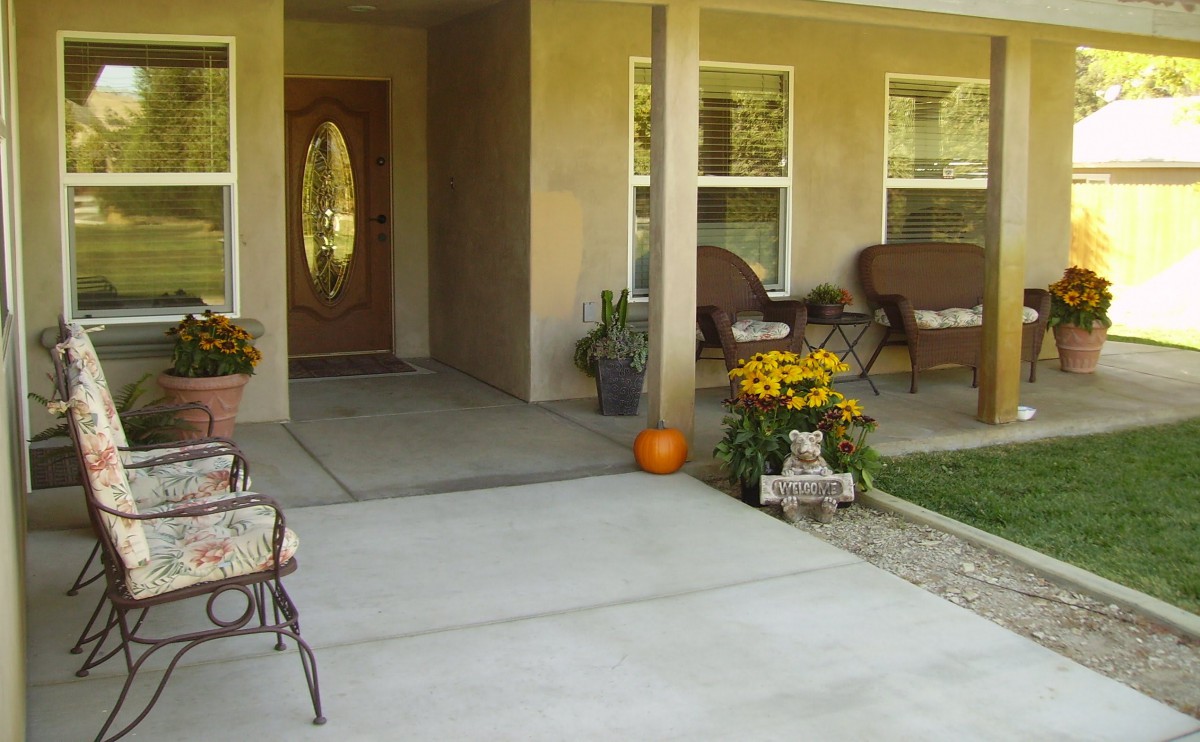
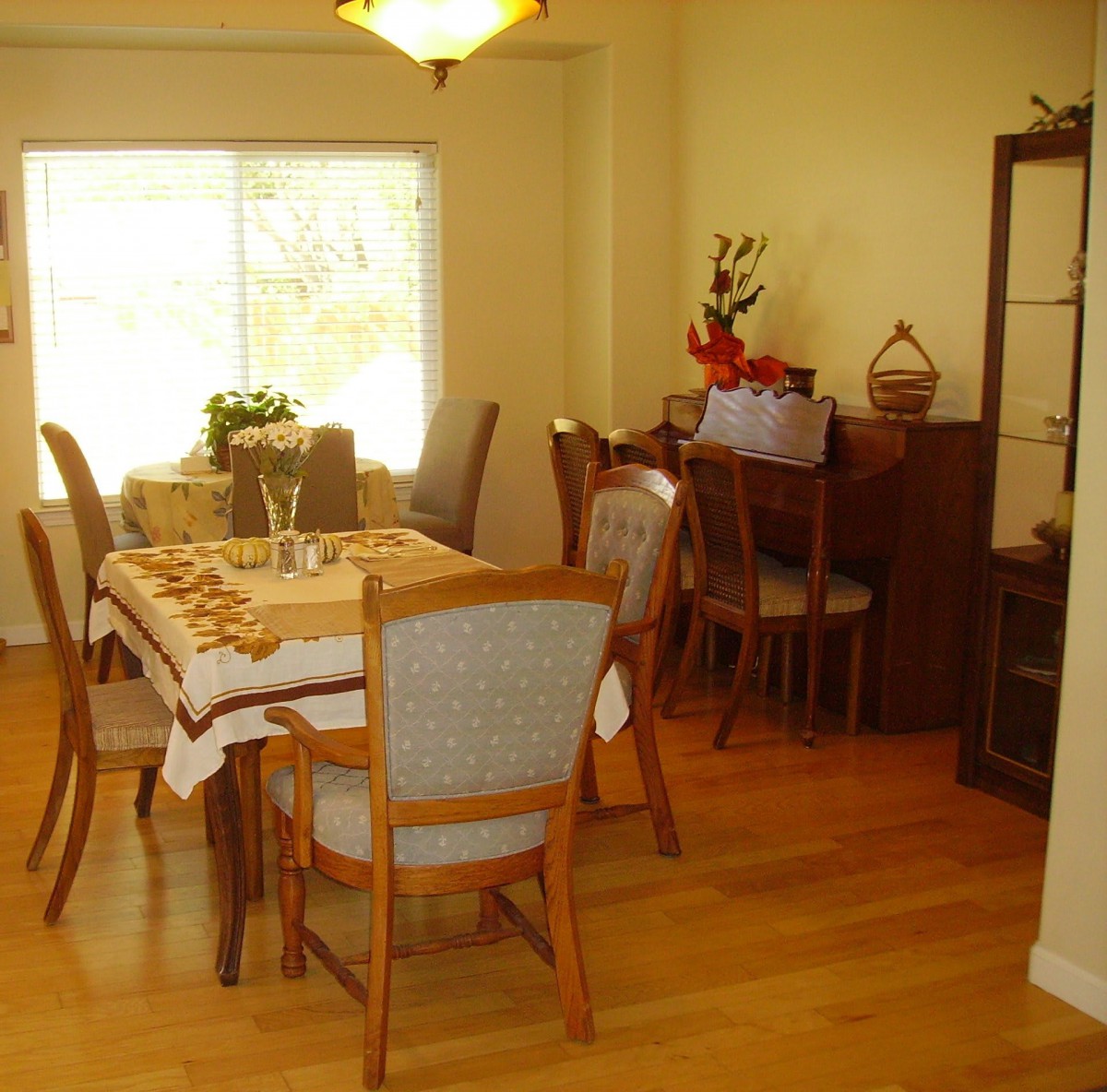
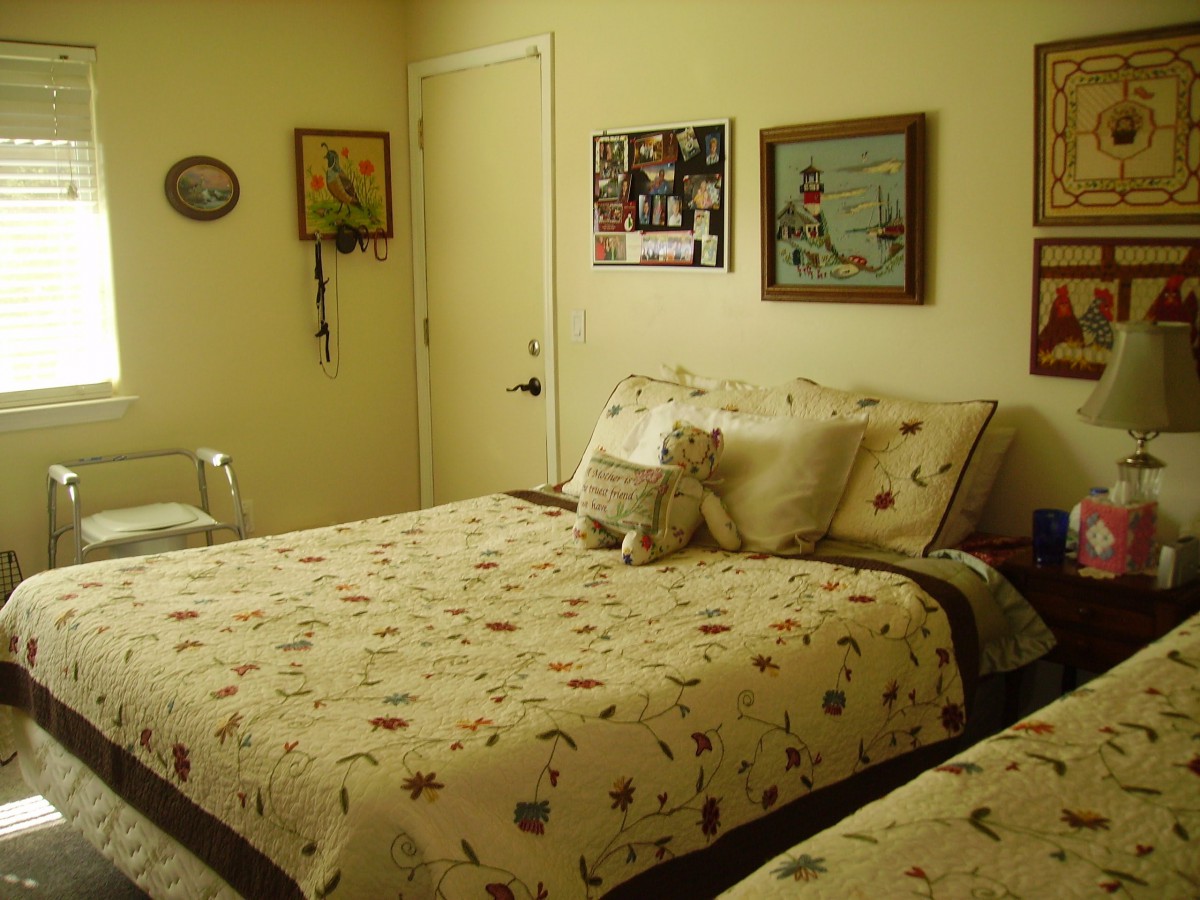
Bella Vita Assisted Living in Atascadero is best suited for families seeking a small, intimate setting where seniors receive highly personal, consistently attentive care from a hands-on owner and a devoted staff. This is a place that prioritizes warmth, cleanliness, and a home-like atmosphere over a slick, impersonal campus. With three five-star reviews, the consensus is clear: residents experience real kindness, steady supervision, and respectful, friendly interactions that make daily life feel secure and predictable. That combination tends to appeal to families who want visible caregiver engagement, predictable routines, and a community where staff know residents by name and respond with patience.
Those whose loved one requires advanced medical management, memory-care specialization, or robust rehabilitation services should consider alternatives. The reviews do not mention dementia-friendly programs, nursing oversight, or structured clinical supports, which typically matter for residents with complex health needs. Similarly, families seeking a large array of daily activities, expansive social programming, or highly formalized care planning may prefer a bigger community with more resources. Because the data set is small, a personal visit is essential to confirm that the pace, programming, and care level align with expectations.
The strongest differentiators are the staff and the environment. The owner’s described friendliness, professionalism, and genuine care set a tone that likely translates into consistent supervision and careful daily oversight. Coupled with a reputation for cleanliness, these factors contribute to safety and resident dignity, key anchors for long-term comfort. When staff know a resident’s preferences and routines, meals, meds, and activities can be tailored, reducing anxiety and improving mood. In short, the core pros, compassionate staffing and immaculate surroundings, directly offset typical concerns about impersonal care or neglect found in less attentive settings.
Operationally, families should probe how staffing levels translate into real-world care. Look for evidence of reliable caregiver-to-resident ratios, the cadence of daily activities, and the availability of assistance during evenings and weekends. Observe interactions during a tour: do aides smile, make eye contact, and respond promptly? Ask about meals, housekeeping, laundry, medication management, and transportation options. Because the community is small by design, inquire about the consistency of shifts, the owner’s involvement in day-to-day care, and how family communication is handled. These details reveal whether the apparent warmth translates into dependable, ongoing support.
When comparing Bella Vita to alternatives, the decision hinges on care scope and lifestyle priorities. For families prioritizing a tight-knit, clean, people-centered environment, Bella Vita often wins on heart and daily experience. For those needing memory-care expertise, clinical complexity, or a programmatic engine with a broader calendar, a larger facility with dedicated memory units or rehab services may deliver more assurance. Cost considerations and what is included should be clarified early, as small communities sometimes embed services differently. A careful cost and services comparison, plus a scheduled trial or extended visit, will illuminate whether this setting fits without sacrificing essential care.
Bottom line: Bella Vita Assisted Living represents a compelling option for seniors who value warmth, attentiveness, and a spotless, homelike setting. It is particularly well-suited for families seeking a manageable, relationship-rich environment where caregivers know residents well and daily life runs smoothly. Those with advanced medical needs or a preference for extensive programming should actively explore alternatives to ensure coverage of clinical requirements. The next best steps are straightforward: arrange a tour, ask for a resident-focused care plan sample, verify licensing and staffing expectations, and assess how well the environment aligns with long-term care goals. A well-timed visit should confirm whether this small, caring community is the right home.
 6 resident community capacity
 1-bedroom apartments
 Assisted Living
 Board and Care Home
 Memory Care
 Dogs allowed
 Activities off-site
 Bath tubs
 Beautician on-site
 Cable or satellite TV
 Dining room
 Fully furnished
 Garden
 Housekeeping services
 Indoor common areas
 Move-in coordination
 Outdoor common areas
 Private
 Private bathrooms
 Respite or short term stays offered
 Telephone
 Wheelchair accessible showers
 Wi-Fi/high-speed internet available
 San Luis Obispo Co-McChesney (18 miles away)
 24-hour supervision
 Assistance with bathing
 Assistance with dressing
 Assistance with transfers
 Diabetes diet
 Diabetic care
 High acuity care
 Incontinence care
 Meal preparation and service
 Medication management
 Special dietary restrictions
 Transportation arrangement (medical)
 Transportation to doctors appointments


 Memory Care Pathways: A Holistic Guide to Dementia Support
 Comprehending Evening Confusion in Dementia: Causes, Manifestations, and Support
 Delirium and Dementia: Unraveling the Key Differences