


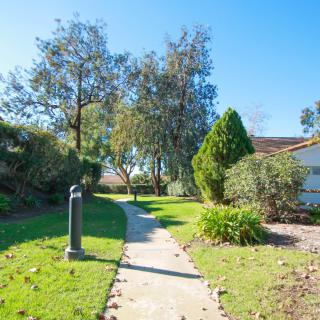
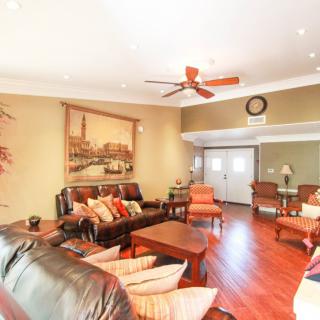
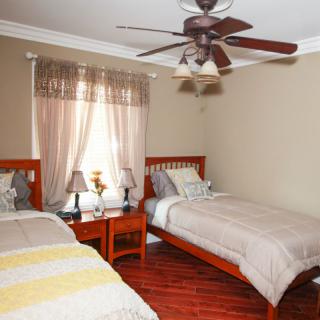
4264 Colibri Court, Moorpark, CA 93021
For more information about senior living options: (866) 208-4318
Enduring Oaks Assisted Living Costs & Pricing
Enduring Oaks Assisted Living offers competitive pricing for its services compared to broader benchmarks in Ventura County and California. For instance, the monthly cost of a semi-private room is $3,500, which slightly exceeds the county's average of $3,438 but remains higher than the state's average of $3,333. When it comes to private rooms, Enduring Oaks charges $4,000, positioning itself just below Ventura County's average rate of $4,082 yet above California's average of $3,939. The establishment's studio apartments are priced at $5,000, notably higher than both local and state averages of $4,021 and $4,145 respectively. Lastly, the one-bedroom option is available for $5,500 - a premium over Ventura County's average of $4,513 and California's average of $4,340. Overall, while some costs at Enduring Oaks exceed local and state averages, they reflect a commitment to quality care in an environment designed for comfort and wellness.
| Floor plans | Enduring Oaks Assisted Living | Ventura County | California |
|---|---|---|---|
| Semi-Private | $3,500 | $3,438 | $3,333 |
| Private | $4,000 | $4,082 | $3,939 |
| Studio | $5,000 | $4,021 | $4,145 |
| 1 Bedroom | $5,500 | $4,513 | $4,340 |
Memory care communities with a similar price nearby
-
About the same
Paradise Senior Living 1
$3,500 to $4,500 / month18.8 miles away -
from +$300 / mo
America's Care Manor
$3,800 to $4,000 / month11.5 miles away -
from +$500 / mo
Land of Peace 6
$4,000 to $5,500 / month15.8 miles away -
from -$500 / mo

Navita Residence Edgemont Drive
$3,000 / month9.9 miles away -
About the same

Assisted Comfort Home
$3,500 to $6,000 / month15.0 miles away
Overall Review of Enduring Oaks Assisted Living
Pros
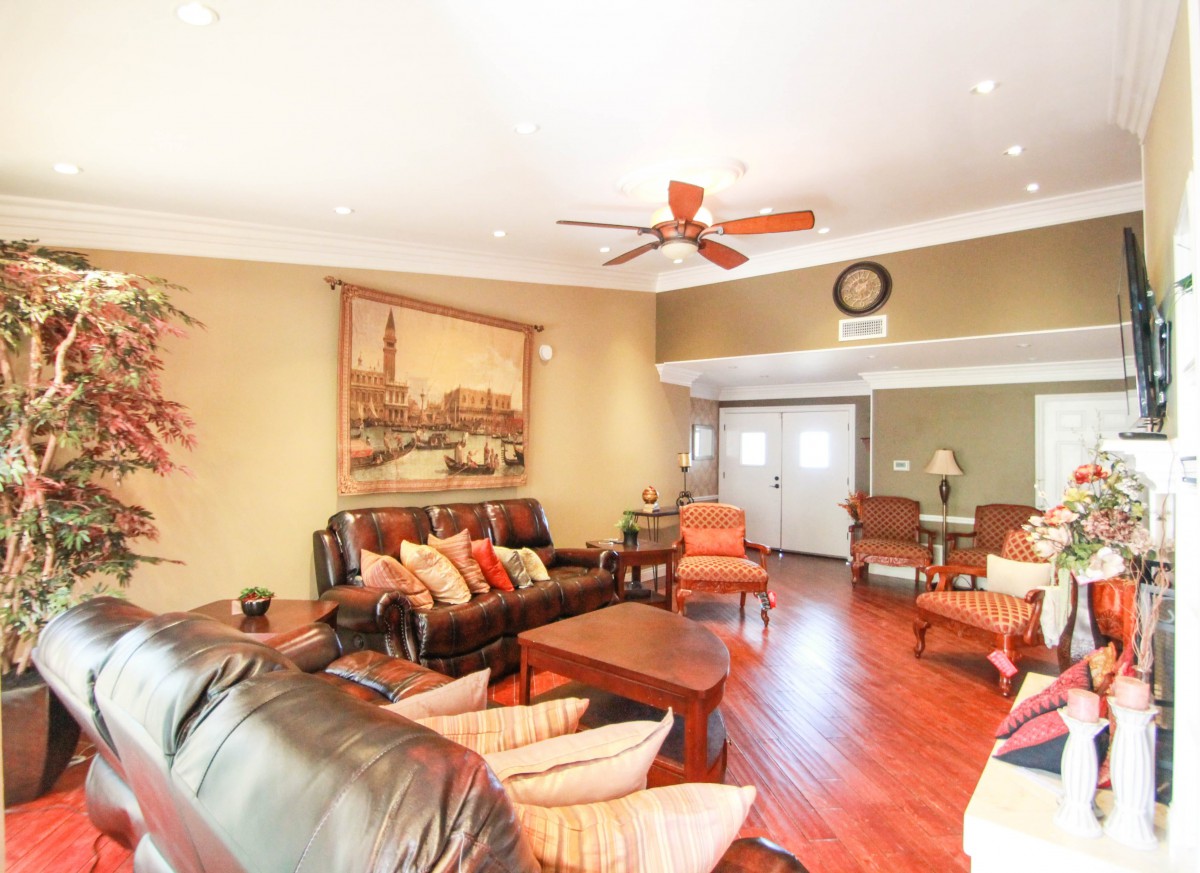
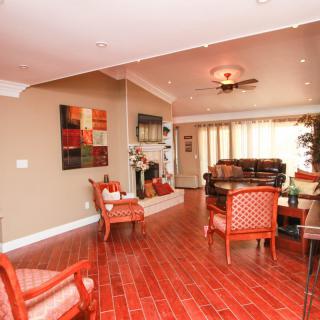
 The Thousand Oaks facility is beautifully remodeled and provides warm, personal 24/7 care with all meals included.
- The owner is upbeat, caring, intelligent, and deeply attentive to each resident and their family.
- The staff create a homey atmosphere and take really good care of residents.
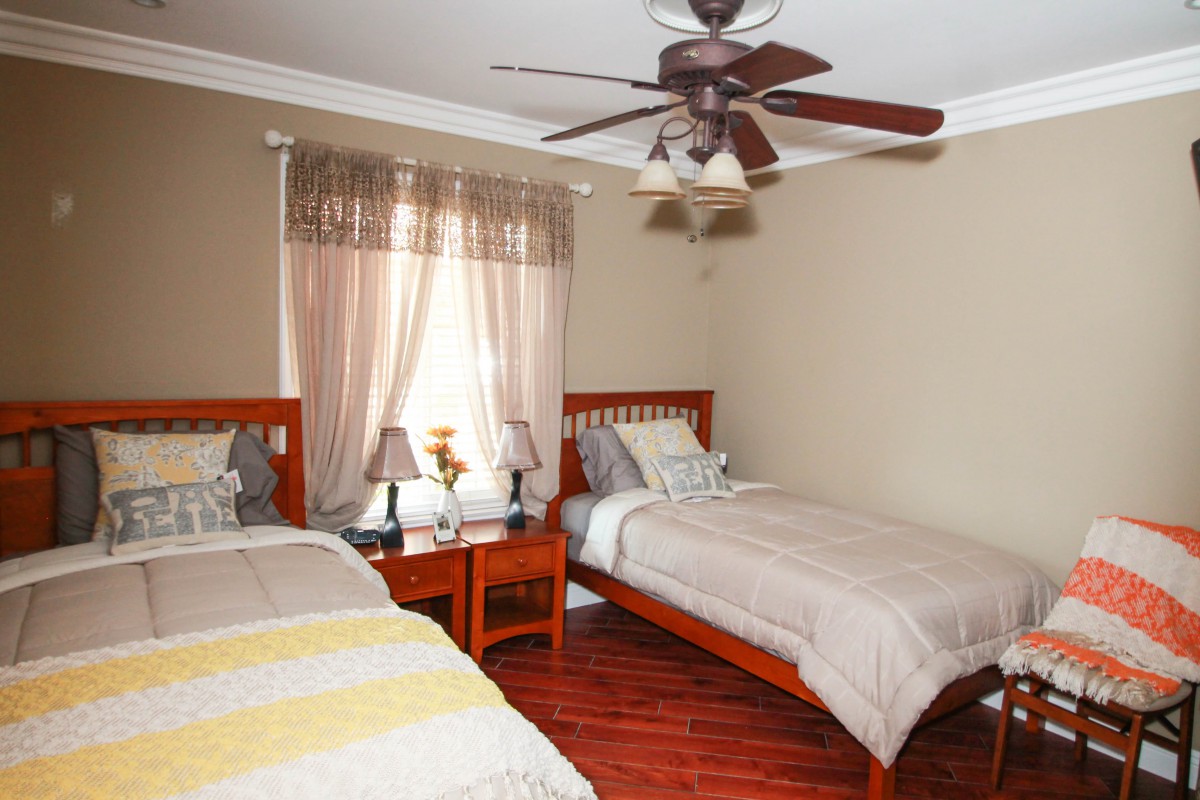
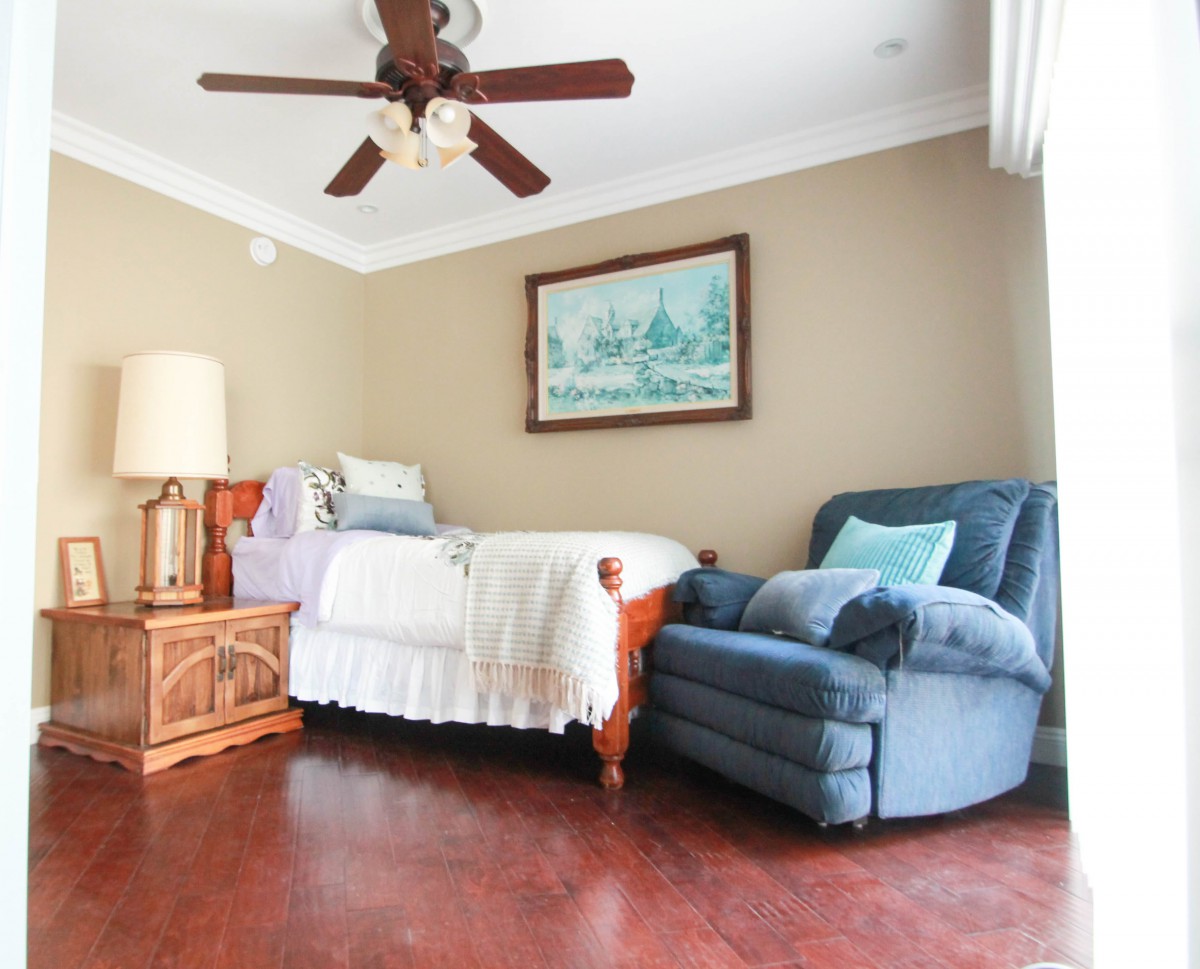
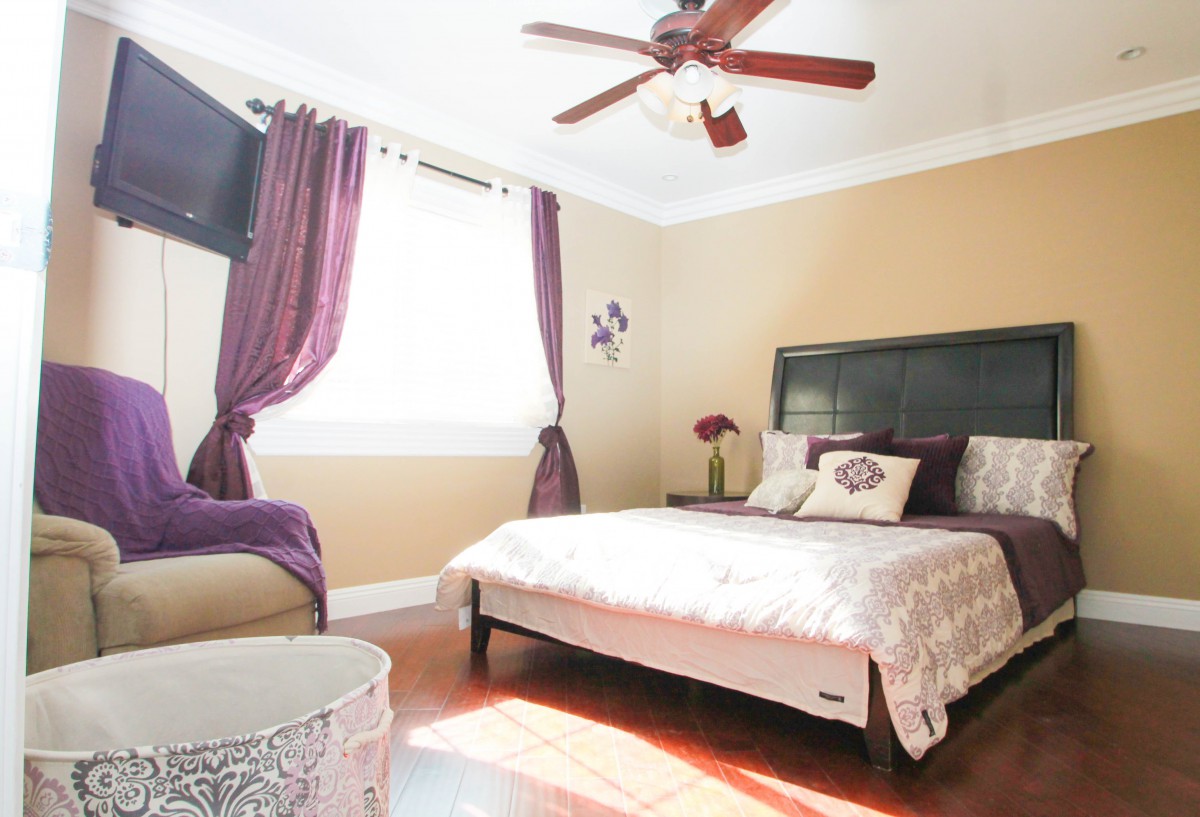
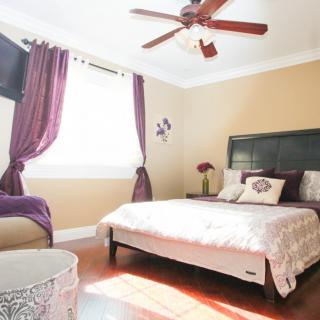
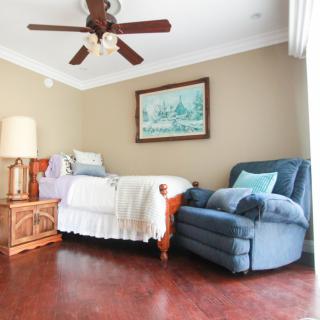
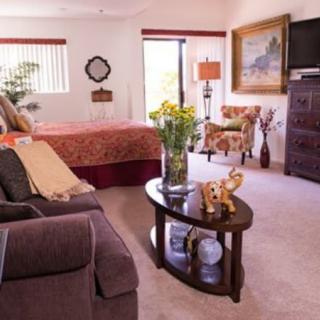
- The rooms are bright and clean, with wide-screen TVs and beautiful new bathrooms, enhancing comfort for residents.
- The administrator is hands-on, sincere, and guides families through all aspects of care; the home is immaculate and well-maintained.
- Families feel welcomed and satisfied, noting that residents look clean, comfortable, and well-cared-for during visits.
Cons
 The house manager is bossy and controlling of the caregivers.
- She will not allow proper care of the patients.
- Residents are fed dinner at 4 o'clock and put to bed at five.
- Residents are propped in front of a television all day.
- There are absolutely no activities.
- The television features violent, inappropriate sex content.
- The TV is kept at whisper volume with subtitles for hard-of-hearing residents.
- Dementia patients are treated as if they don’t exist or have feelings.
Review
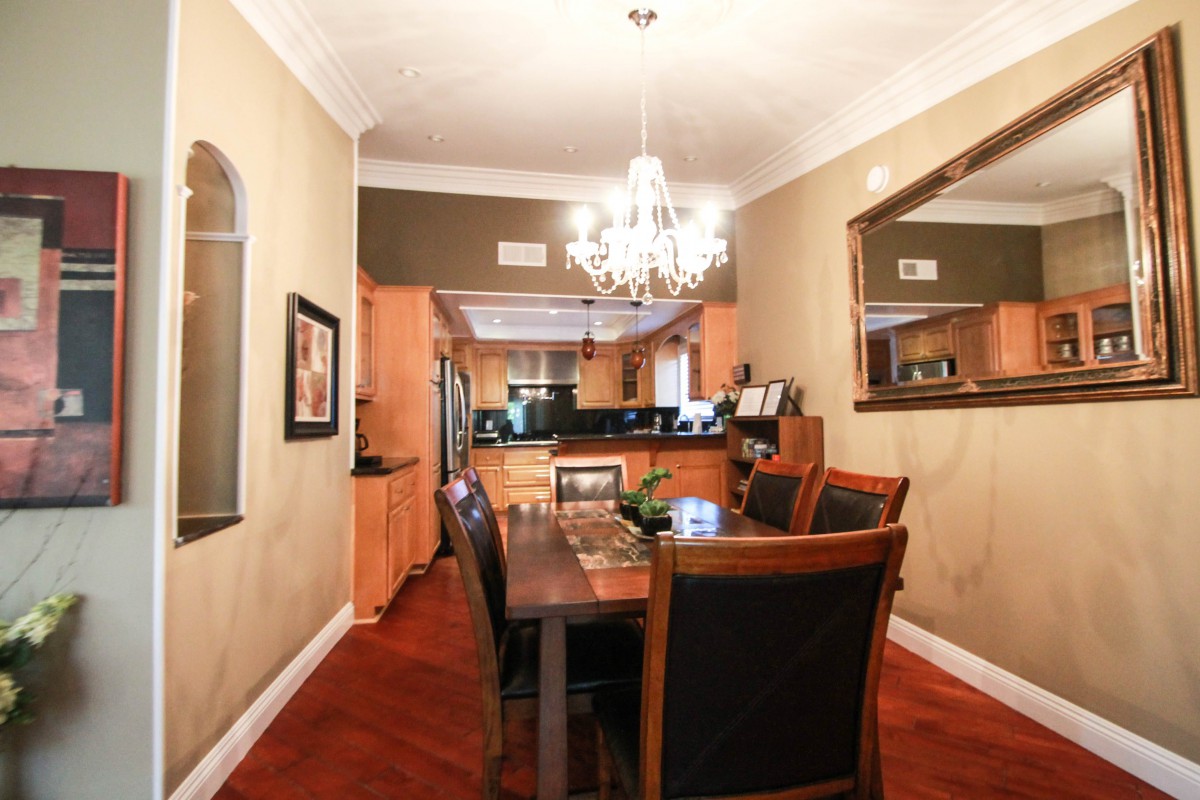
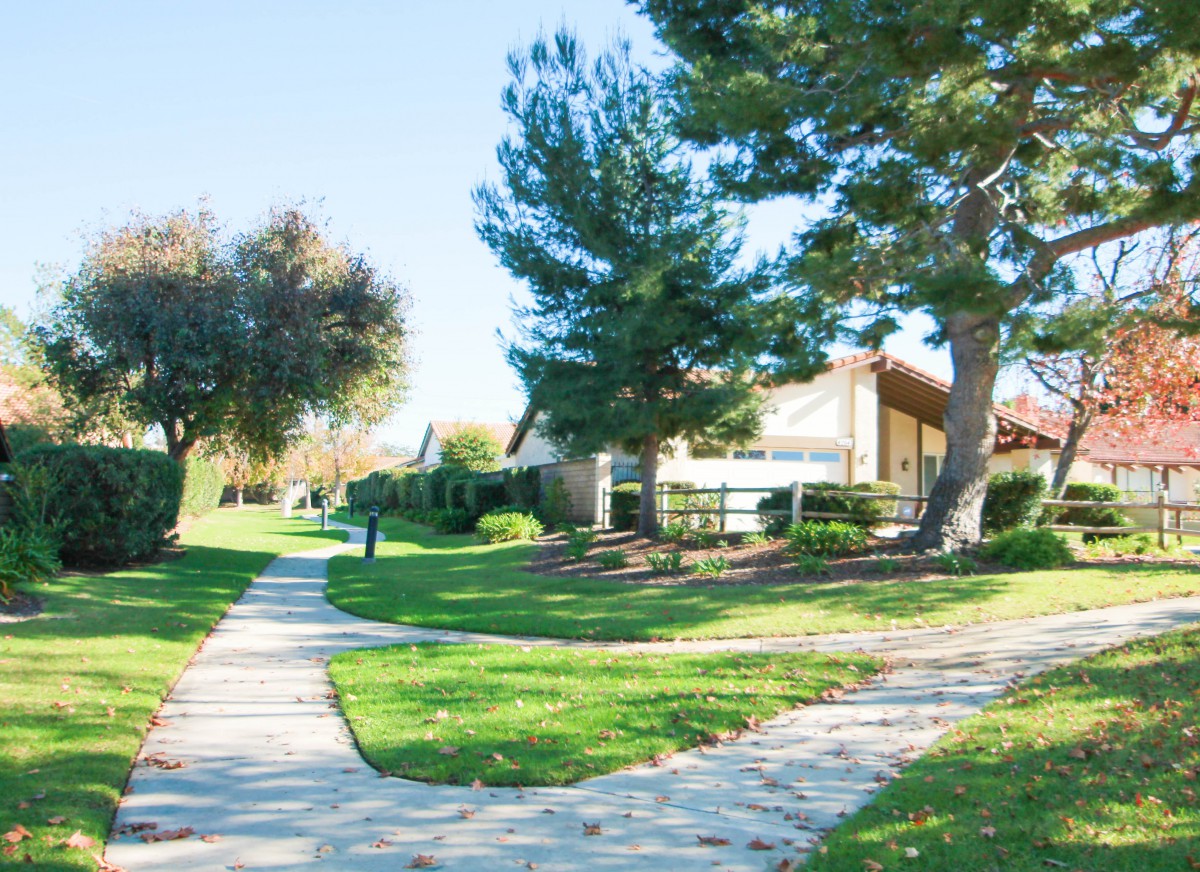
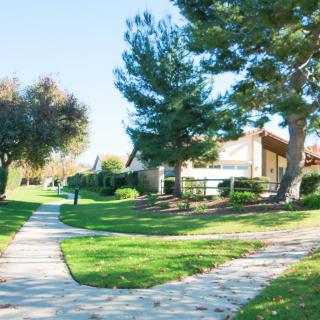
Enduring Oaks Assisted Living in Moorpark is best suited for families seeking a small, home-like setting where care comes with a visibly hands-on, attentive administrator and a high level of staff presence. The strongest praise centers on a warm, family-oriented atmosphere, immaculate surroundings, and caregivers who stay closely engaged with residents’ daily needs. In practice, this model works well for loved ones who thrive on personal attention, routine predictability, and clear, frequent communication with the people coordinating care. Prospective families should expect a setting where residents feel valued, pampered, and supported by a team that tracks details and keeps a watchful eye on comfort and cleanliness.
Conversely, for families prioritizing robust dementia programming, a rich calendar of activities, or reliable transportation to medical appointments, this community may be worth exploring elsewhere. Several reviews describe a surprising lack of structured activities and limited opportunities for social engagement, with some accounts alleging disorganization on the administrative side and gaps in day-to-day execution. The most troubling reports touch on inadequate mobility support, missed medical transitions, and a sense that residents are not always moved to participate in planned care or activities. For dementia or hospice needs, or for households hoping for a tightly coordinated activities roster, alternatives with a broader programming track may be more fitting.
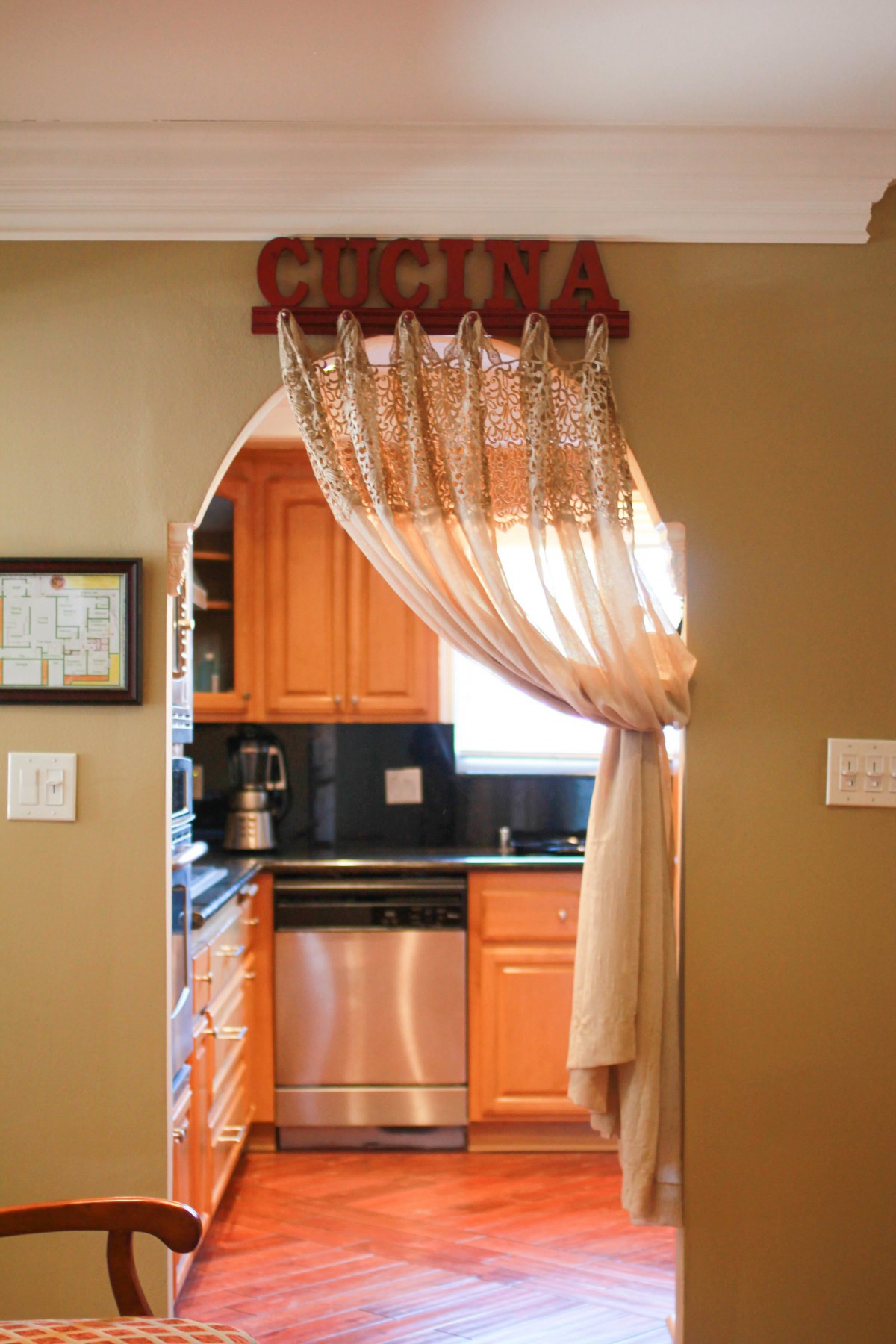
The key positives, exceptional cleanliness, tasteful decor, and a true “home” feel, often align with the strongest endorsements, and those gains tend to offset the more troublesome concerns when considered through a practical lens. Families repeatedly highlight the higher caregiver-to-resident ratio as a meaningful strength, translating into more individualized assistance, quicker responses, and a more personalized day-to-day experience for their loved ones. The administrator is frequently described as hands-on, sincere, and trustworthy, capable of walking families through every facet of care and making them feel included in decisions. In short, the human connection and attention to small details can compensate for some limits in programming.
That said, certain realities should be tested during a site visit. Confirm whether transportation to appointments is available, and if not, what a care plan looks like for mobility and doctor visits. Ask to observe a typical day: are there structured activities, social interactions, and opportunities for cognitive or physical engagement, or is the environment largely quiet with limited programming? Review how meals, sleeping routines, and personal care are handled, especially for residents with mobility or cognitive challenges. The reviews also flag potential cost considerations, noting that additional care charges can apply beyond the base rate, clarity on what is included versus what costs extra will prevent surprises.
Family decision-making will hinge on how much value is placed on intimate, attentive care versus broad activity programming. Enduring Oaks’s strengths, clean, welcoming spaces; a care-forward staff dynamic; and a director who is deeply involved, anchor a powerful case for families prioritizing oversight, consistency, and a homelike cadence of daily life. However, the facility’s weaknesses in programming variety, transportation support, and occasional organizational hiccups cannot be ignored for households needing a more structured, activity-rich environment or seamless external service coordination. The prudent path is to visit multiple times, request current resident and family references, and demand a concrete, written plan for daily schedules, transportation needs, and any specialized care requirements.
In the end, Enduring Oaks Moorpark stands as a pragmatic fit for families who prize close-knit, attentive care delivered in a tidy, comfortable home setting, even if that means tolerating a leaner activity calendar and potential administrative misfires. For those whose loved one must have robust dementia programming, regular in-school–style activities, or guaranteed transportation and streamlined transitions to appointments, alternatives with larger staffs and broader programmatic offerings will likely serve better. The firm recommendation is to experience the community firsthand, validate care plans against current needs, and weigh the day-to-day realities against the heartfelt, positive voices that consistently celebrate the warmth, cleanliness, and personal touch this home provides.
 6 resident community capacity
 Assisted Living
 Board and Care Home
 Memory Care
 Activities off-site
 Air-conditioning
 Cable or satellite TV
 Dining room
 Fully furnished
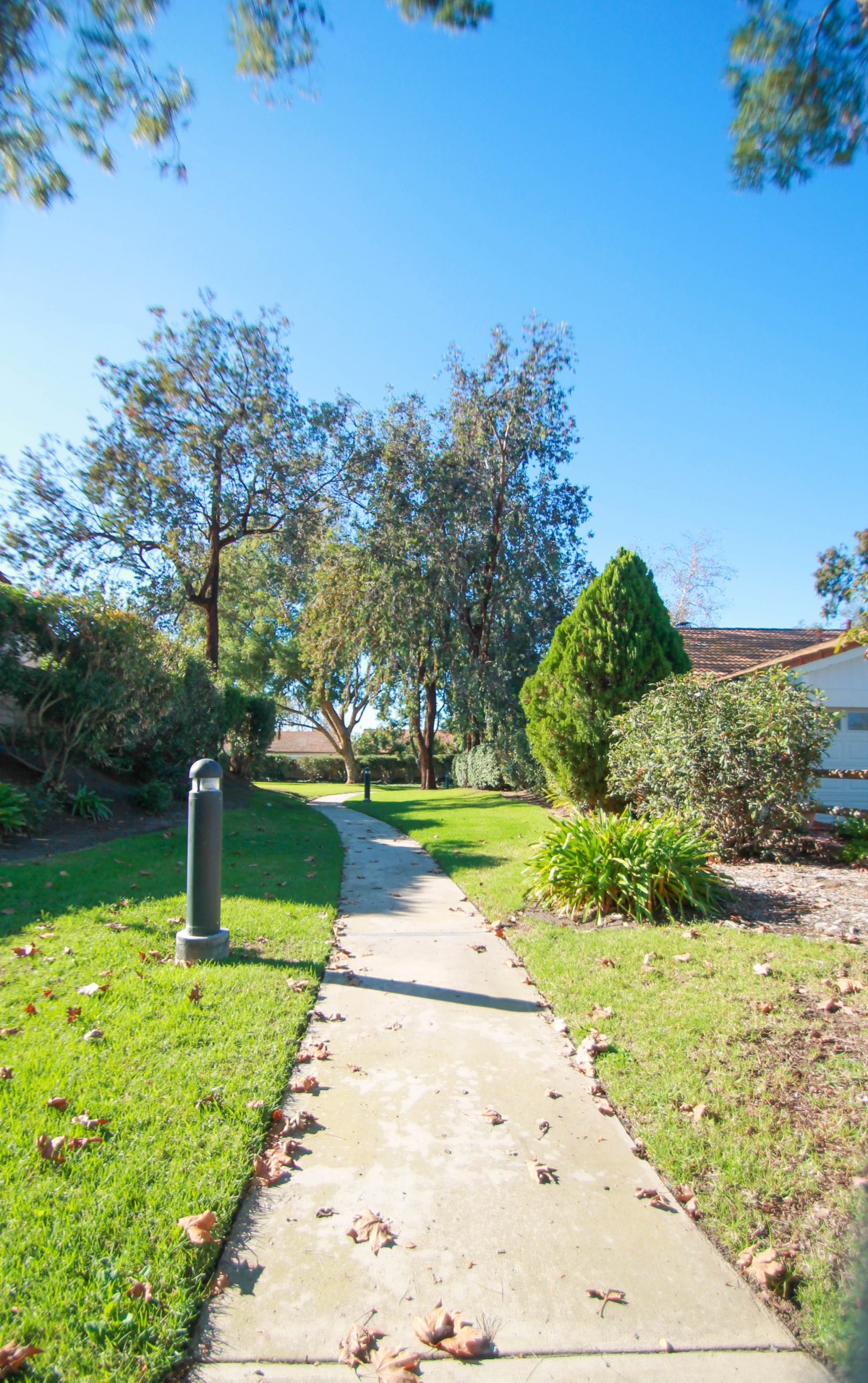
 Garden
 Housekeeping services
 Indoor common areas
 Move-in coordination
 Outdoor common areas
 Private
 Private bathrooms
 Telephone
 Wheelchair accessible showers
 Wi-Fi/high-speed internet available
 Oxnard (19 miles away)
 24-hour supervision
 Ambulatory care
 Assistance with bathing
 Assistance with dressing
 Assistance with transfers
 Diabetes diet
 High acuity care
 Incontinence care
 Meal preparation and service
 Medication management
 Special dietary restrictions
 Transportation arrangement (medical)
 Transportation to doctors appointments
 BBQs or picnics
 Birthday parties





 When to Transition from Assisted Living to Memory Care: Key Indicators, Steps, and Finding the Right Community
 Understanding the Distinctions: Assisted Living and Memory Care Explained
 How to Communicate with a Loved One Living with Dementia: 10 Supportive Strategies