
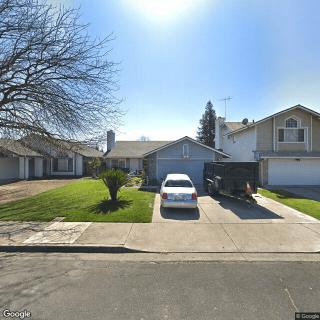
4225 Passages Lane, Modesto, CA 95356
For more information about senior living options: (866) 208-4318
Overall Review of A Place For Your Parents
Pros
 The place is amazing.
- They are caring and very resourceful.
- The place is a blessing to the community.
- They help people get back on their feet.
- They provide assistance without asking for payment.
Cons
 Neighbors feel it would be detrimental to their community to have actual homes set up for families experiencing homelessness.
- Going from church to church is not conducive to the overall mental and physical health of these families.
- Drug testing before assistance weeds out those not yet ready to be successful in a home.
- It could cost far more later on in foster care, prisons, and public services if the family becomes separated.
Review
A Place For Your Parents in Modesto is best suited for seniors who want an active, independence-focused environment and for families that value a resourceful, hands-on staff team that truly pushes residents to take the next steps toward self-sufficiency. This community appeals to those who come in with a willingness to engage, commit to a plan, and tolerate a structured approach aimed at making real progress. The emphasis is on practical outcomes, getting on one’s feet, building routines, and leveraging available supports to regain confidence and capability.
Those evaluating alternatives should consider options if medical complexity requires heavy, around-the-clock nursing, or if a resident needs specialized memory care or a broader, more social programming landscape. A softer, less prescriptive pace or a setting that prioritizes passive comfort over active transition would likely suit someone else better. Families with tighter budgets or those seeking a more expansive amenity set may also want to compare larger communities or facilities with different staffing models and care mixes.
The strongest positives here are the combination of caring, resourceful staff and a culture that seeks tangible independence for residents. Reviewers describe staff as deeply attentive and capable of navigating a range of needs with creativity and persistence. The program appears designed to move residents beyond passive assistance, encouraging accountability and practical steps toward daily living skills. In a market where many communities promise care, this one is distinguished by its expectation that residents participate actively in their own improvement, which can translate into meaningful, observable gains for those who meet the pace.
However, the apparent demand for readiness can blur into a real drawback for some. The same focus that fosters momentum can feel demanding to those who are not yet prepared to take ownership of their progress. One market signal, an outlier rating among otherwise strong feedback, suggests that when expectations don’t align with a resident’s current readiness, satisfaction sinks. The challenge is not the care itself but whether the resident, and their family, are prepared to embrace a transition-style environment that prizes initiative over passive support. This is a legitimate caveat: pacing, accountability, and self-starting are not universal preferences.
Practically speaking for families evaluating this community, it is wise to probe directly about transition supports, daily routines, and what “being ready to participate” actually looks like in day-to-day life. Ask to review a sample week: what activities are offered, what level of hands-on coaching is provided, and how progress is tracked. Inquire about staff continuity, which can influence how smoothly a performance-oriented program translates into real independence. If possible, request a trial stay or a clear milestone plan that outlines expected steps toward reduced dependence. The right questions will reveal whether the environment’s intensity matches the resident’s temperament and goals.
In sum, this community stands out as a pragmatic, results-focused option for families seeking a purposeful path to greater independence for a loved one. It is not the right fit for every senior, especially those who require a gentler pace, broader social programming, or substantial on-site medical support without an emphasis on active participation. For families comfortable with a structured, accountability-driven model and who want staff to drive real progress, A Place For Your Parents offers a compelling, discerning choice. Those who crave more low-key care, more comprehensive memory support, or a broader array of comforts should compare with alternatives that foreground ease and steadiness over transition momentum. A thoughtful on-site visit will clarify alignment, ensuring the decision rests on a clear view of daily life, expectations, and achievable milestones.
 6 resident community capacity
 Assisted Living
 Board and Care Home
 Cable or satellite TV
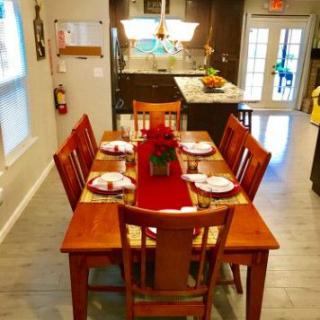
 Dining room
 Fully furnished
 Garden
 Housekeeping services
 Move-in coordination
 Outdoor space
 Telephone
 Wi-Fi/high-speed internet available
 Modesto City-County-Harry Sham (5 miles away)
 24-hour supervision
 Activities of daily living assistance
 Assistance with bathing
 Assistance with dressing
 Assistance with transfers
 Diabetes diet
 Meal preparation and service
 Medication management
 Special dietary restrictions
 Transportation arrangement (medical)
 Transportation to doctors appointments



 How and When Medicaid May Cover Assisted Living Costs
 A Detailed Exploration of Assisted Living Medicaid Waivers Across the United States
 Comprehensive Residential Support and Assisted Living Solutions for Individuals with Disabilities