



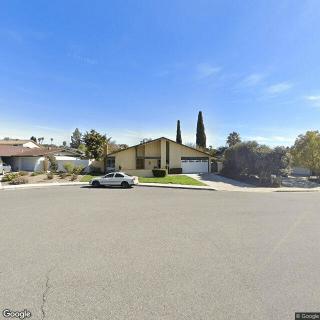
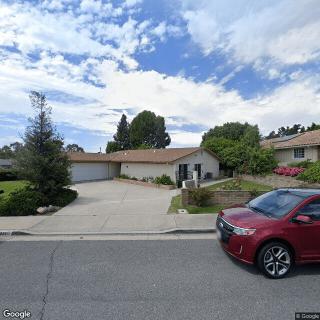
25601 Minoa Drive, Mission Viejo, CA 92691
For more information about senior living options: (866) 208-4318
Overall Review of Sunrise Haven
Pros
 They elevate the traditional concept of a Board and Care home to a higher standard of care and experience.
- Their unwavering dedication to resident comfort, personalized attention, and compassionate service reflects the valuable mix of experience, vision, and expertise they bring to each home.
- Harbor Care Homes are consistently recommended for placement.
- The owners promptly respond to questions and ensure residents' needs are met.
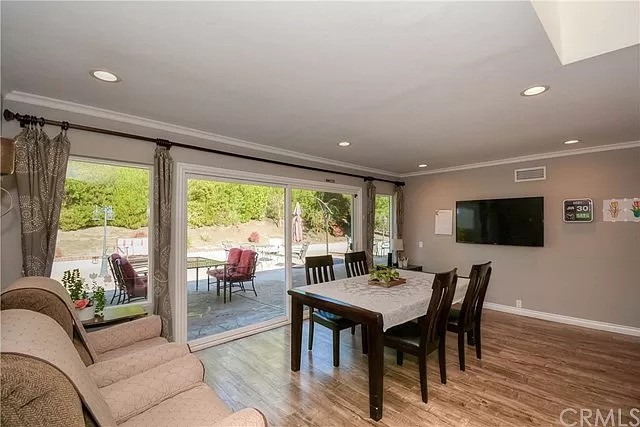
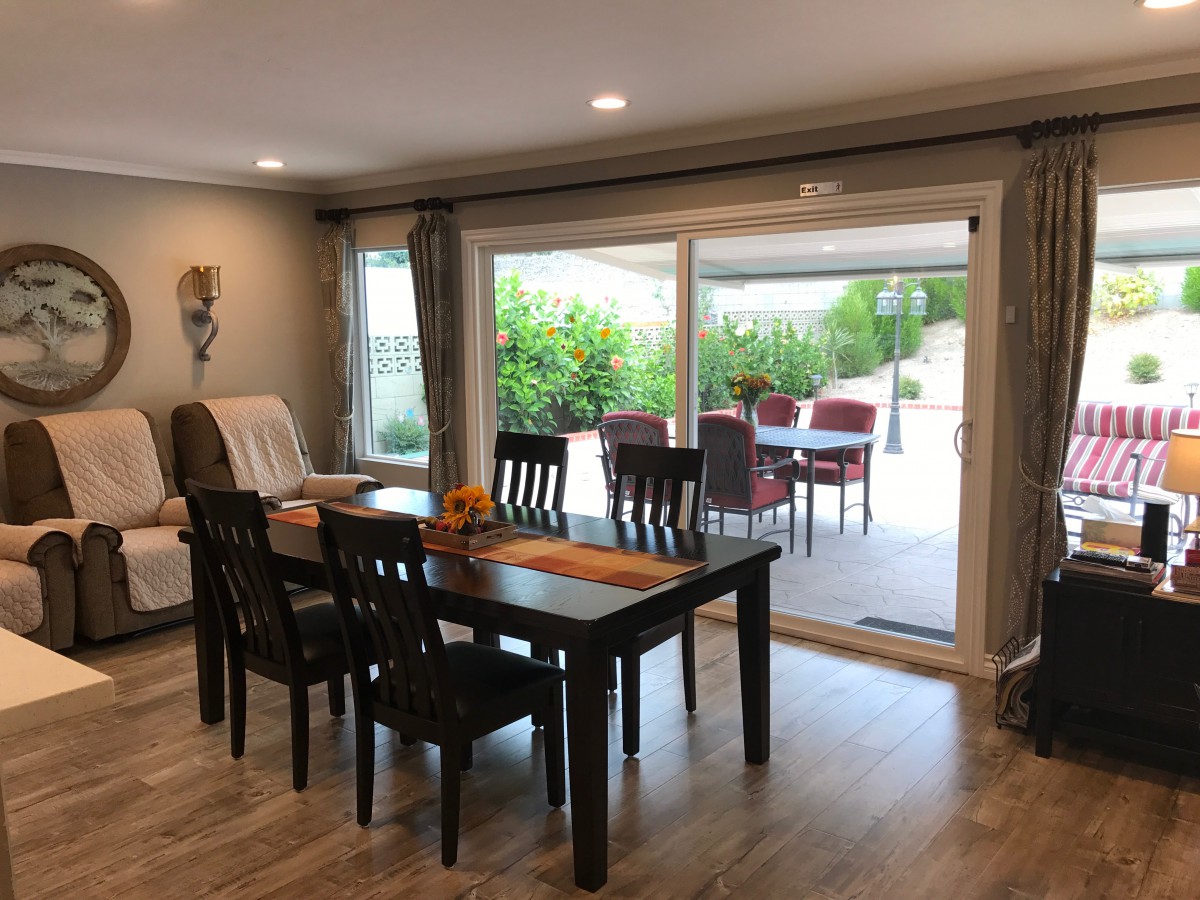
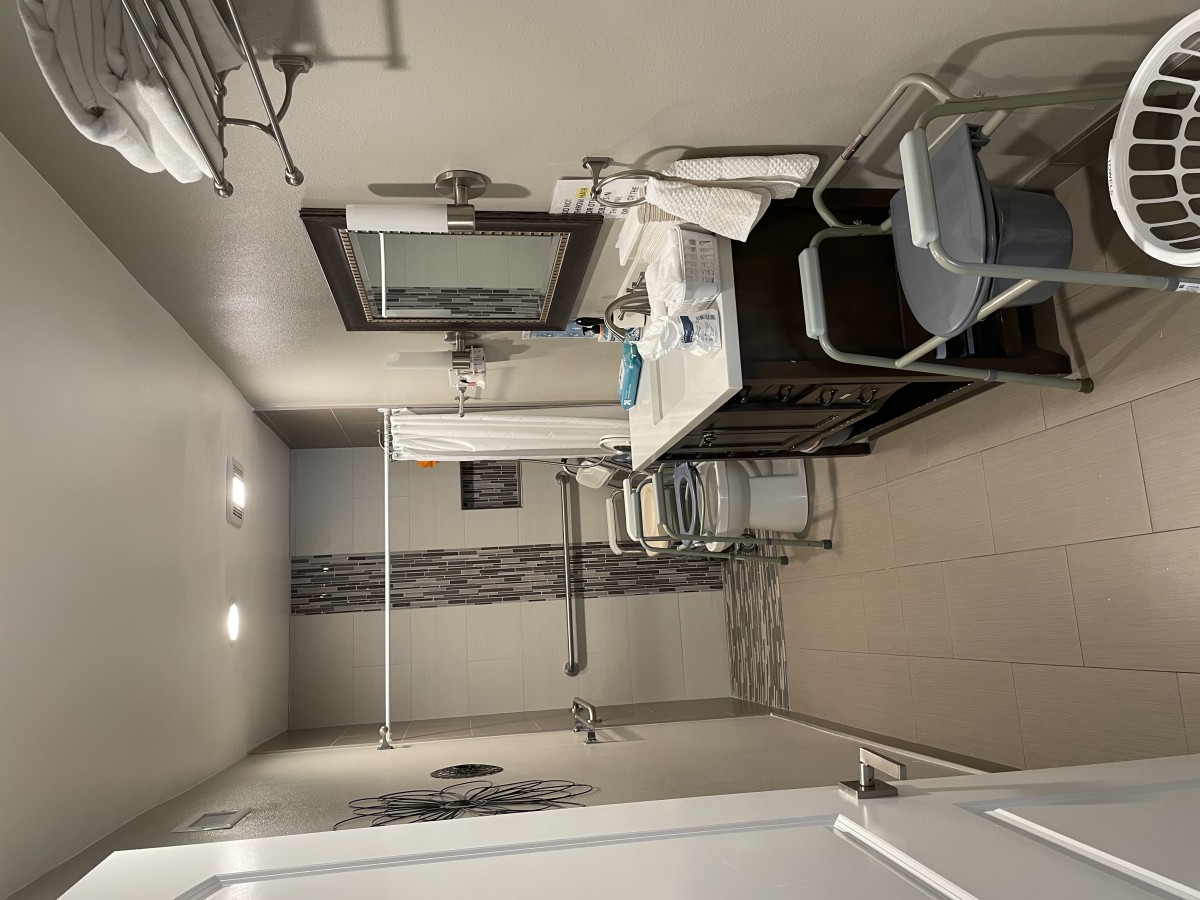
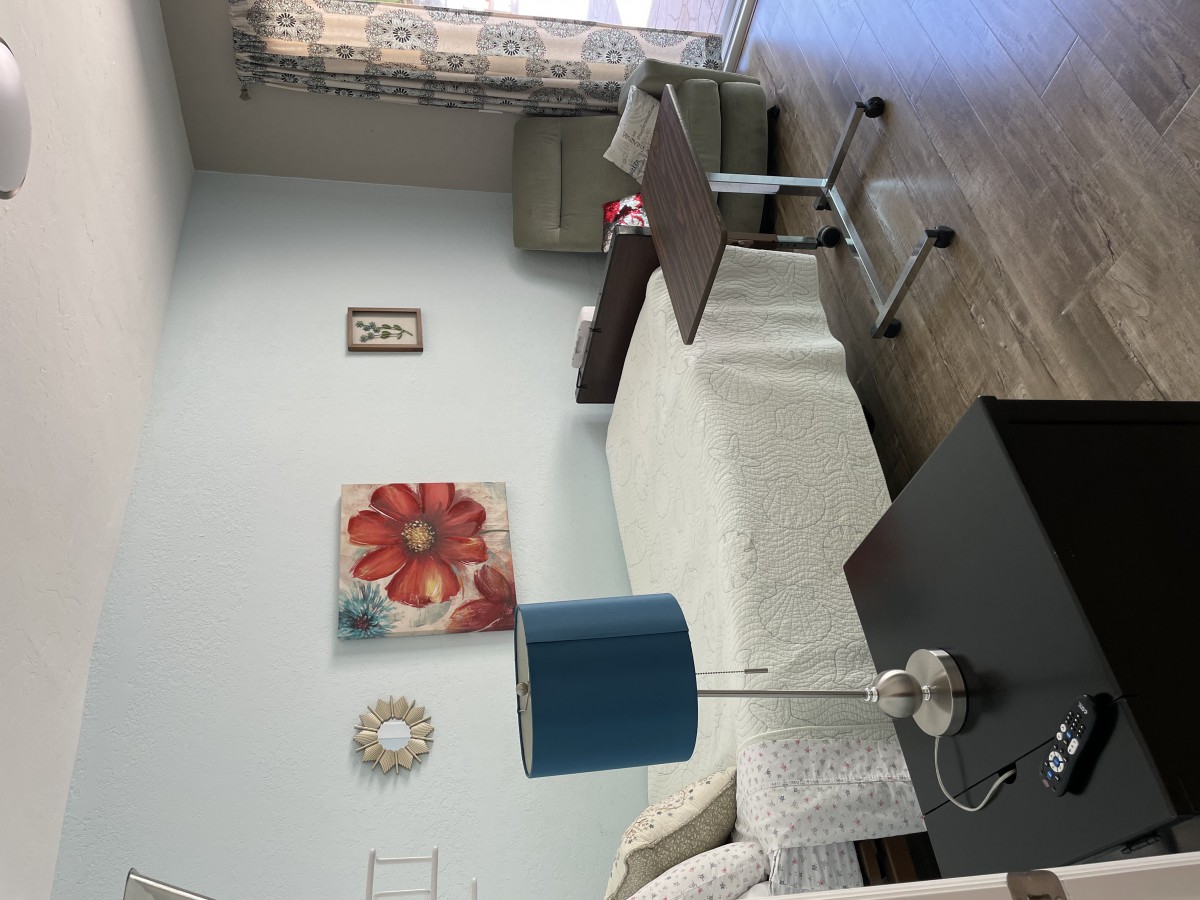
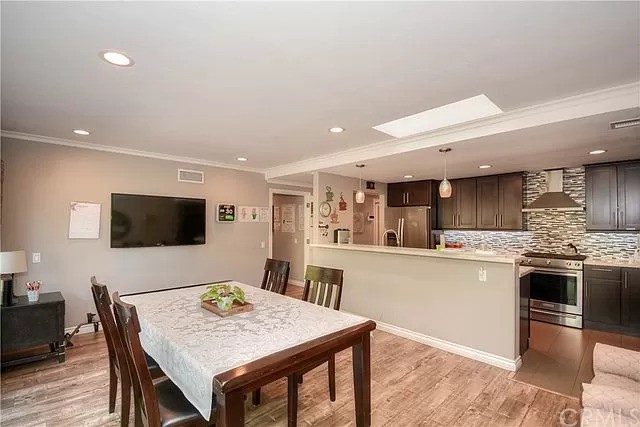
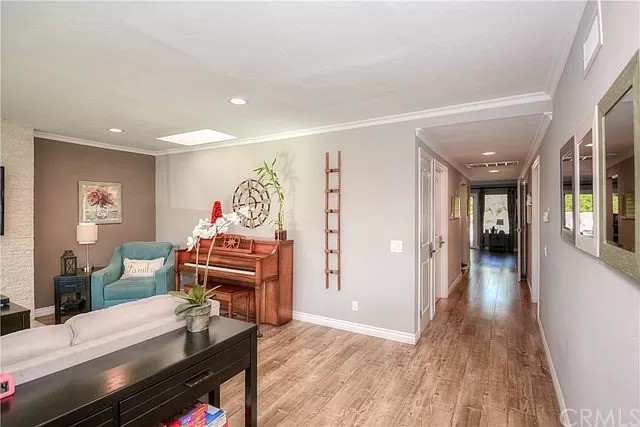
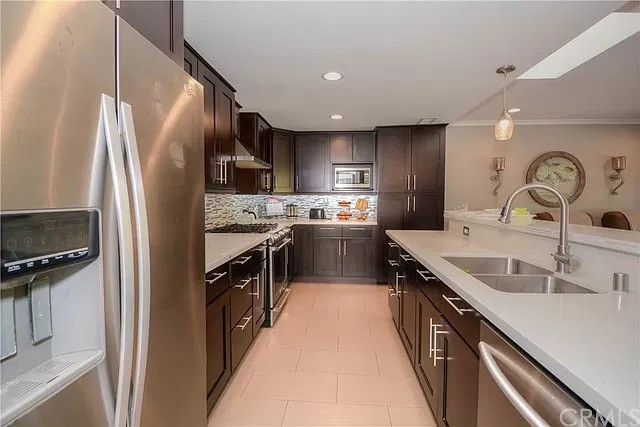
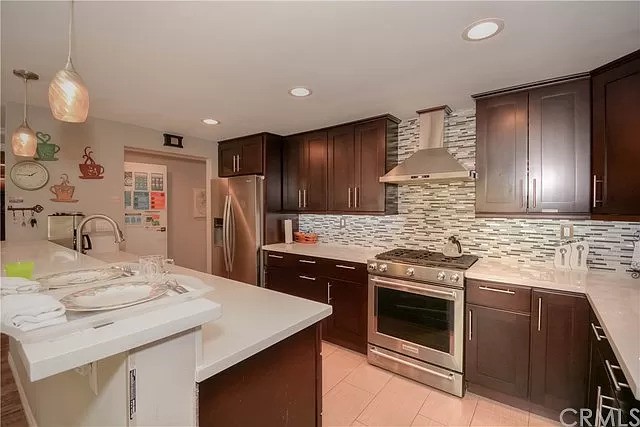
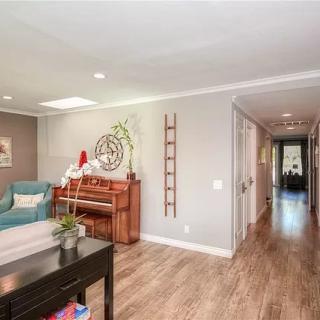
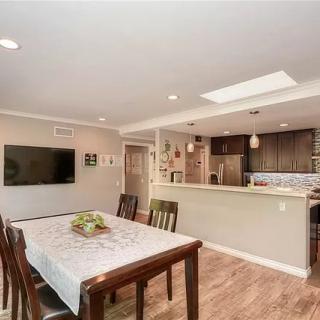
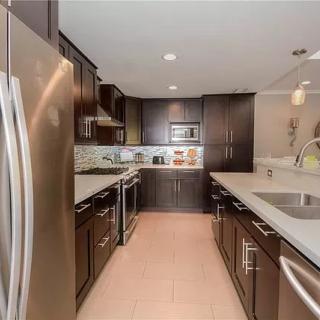
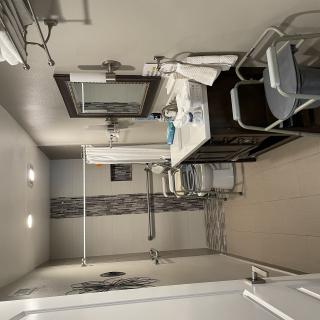
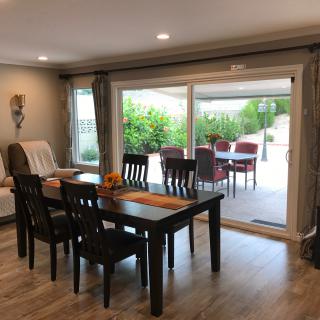
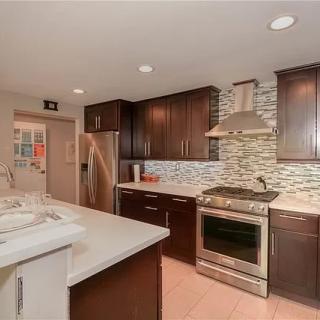
- Harbor Care Homes provide a warm and welcoming environment and are kept exceptionally clean.
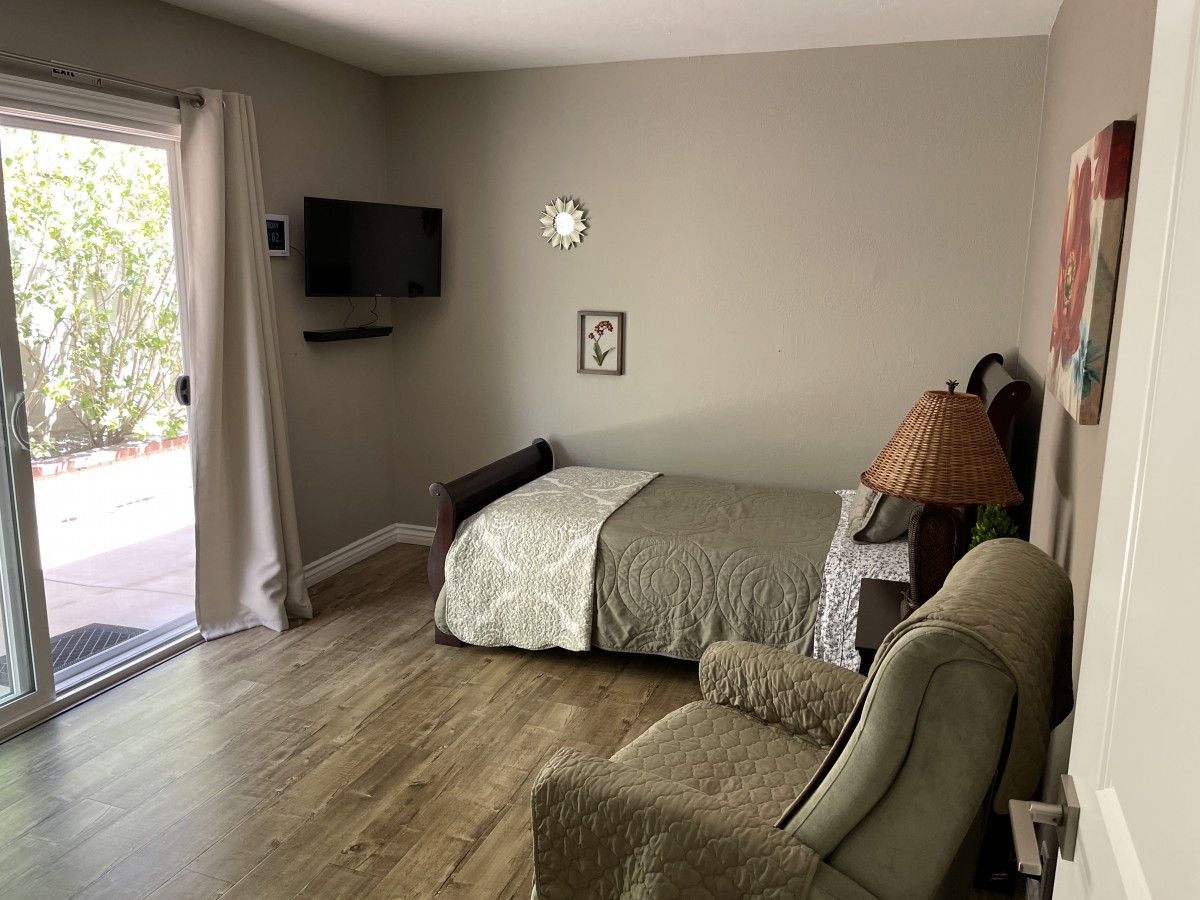
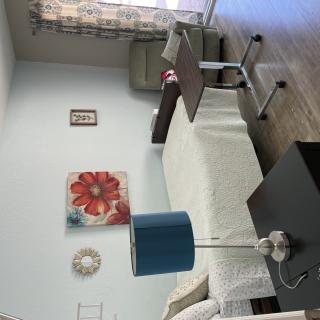
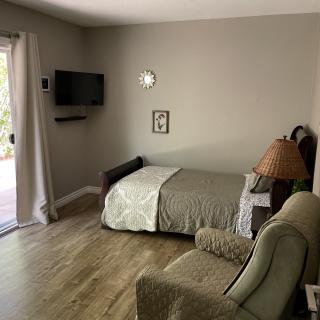
- The homes offer private rooms and three meals a day.
- The staff are patient and gracious during move-in transitions.
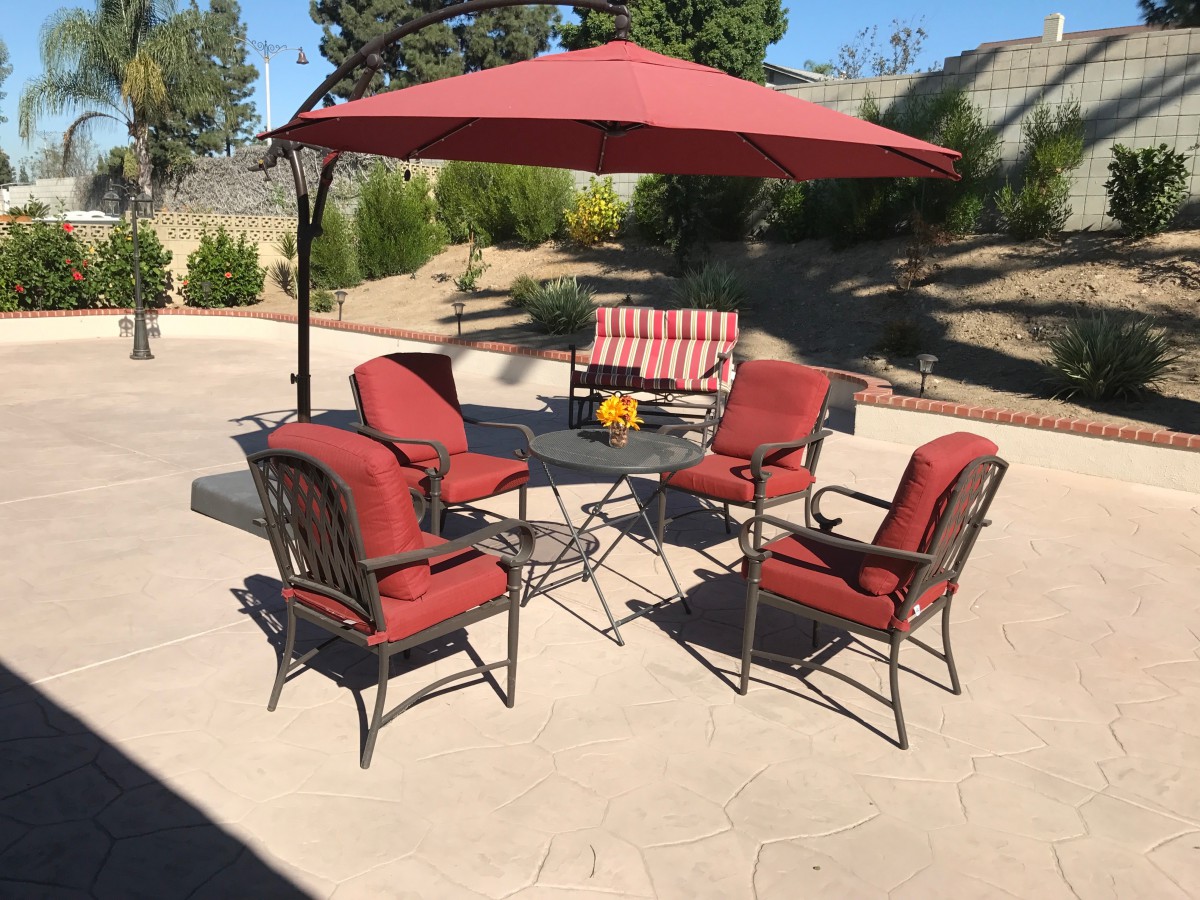
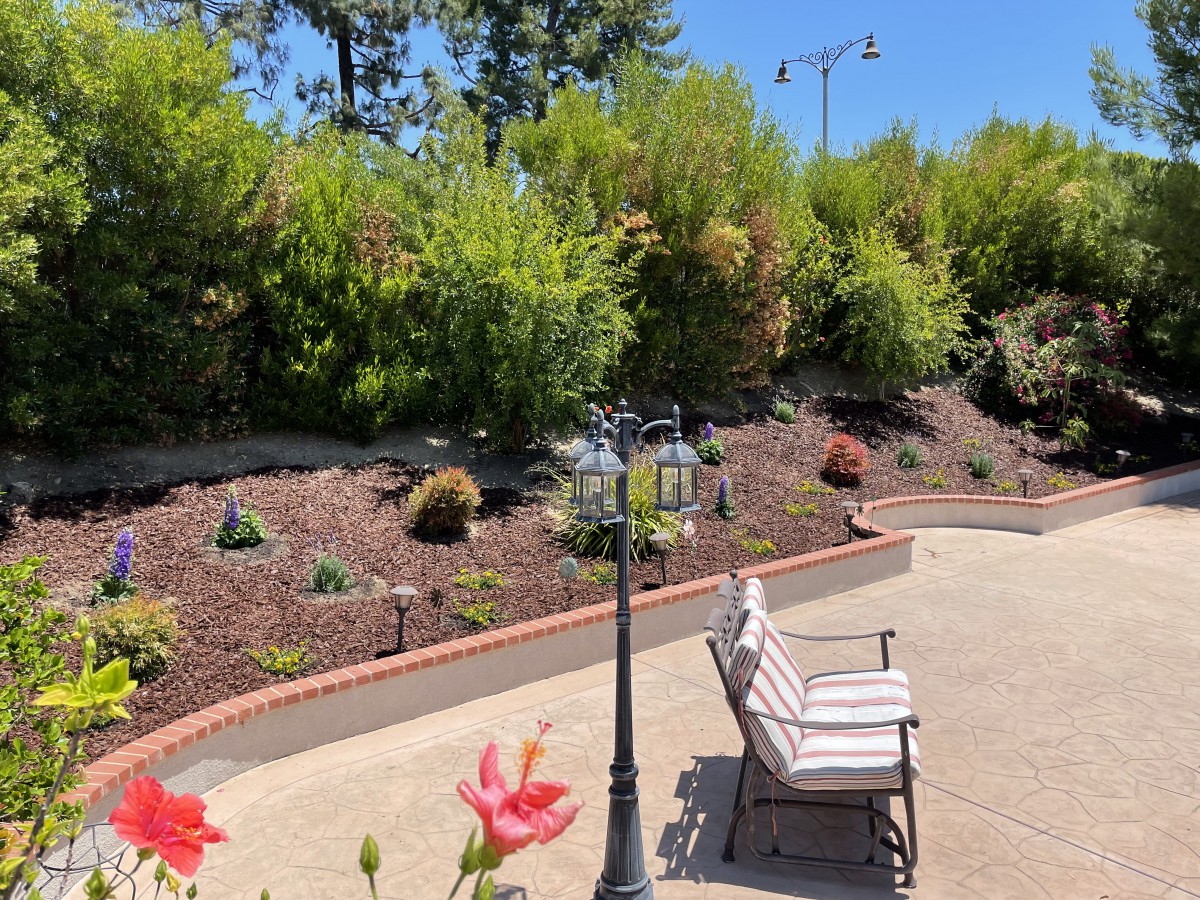
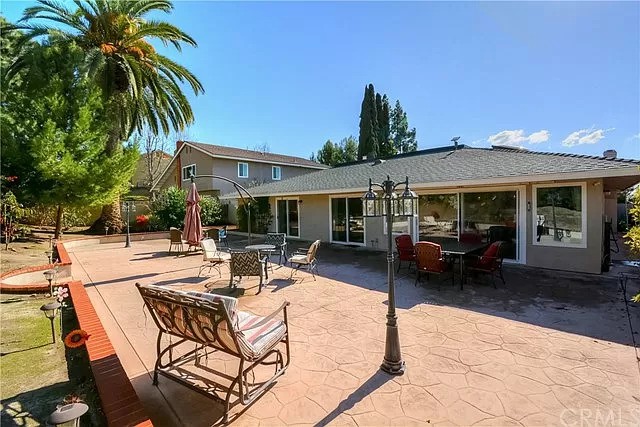
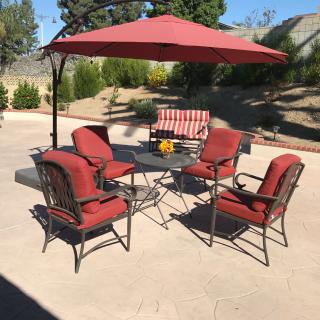
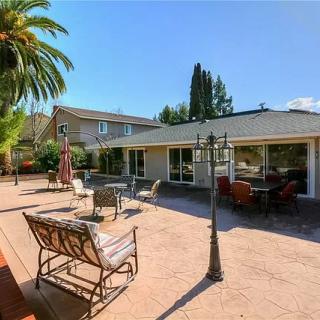
- The property is well maintained, with a beautifully kept backyard that enables quality time with loved ones.
- The caregivers are compassionate, caring, and easy to talk to.
- The team spoils residents with thoughtful touches, such as birthday celebrations and plenty of smiles.
- The staff genuinely cares for residents and helps them thrive.
- The facilities provide security and convenience, reflecting first-class care.
Cons
 The reviewer was nervous about finding a place that could provide the care their mother needed at an affordable price.
Review
Sunrise Haven in Mission Viejo is best suited for families seeking a small, home-like board-and-care experience where staff know residents closely, routines are highly personalized, and owners are visibly involved in daily care. This setting shines for seniors who need daily assistance, mobility support, and a safe, comfortable environment but do not require round-the-clock hospital-level nursing or highly specialized memory-care programs. For parents or spouses who value warmth, continuity of caregivers, and a welcoming, intimate atmosphere over a high-rise campus feel, Sunrise Haven presents a compelling fit.
Those with more intensive medical needs or those looking for a facility with robust, on-site nursing, complex wound care, or dementia-specific programming may want to consider alternatives. Larger assisted living communities, memory-care wings, or facilities with formal hospital partnerships typically offer greater clinical oversight and a wider array of therapeutic services. If a resident’s care plan hinges on frequent medical interventions, regular rehab services, or highly structured memory-care protocols, it’s prudent to evaluate options that can deliver those supports on-site rather than coordinating through external providers.
From the available experience with comparable home-style care models, the strongest advantages are clear. A caring, patient staff who communicate well with families, plus owners who routinely visit and oversee operations, create a reliable sense of security. Families consistently note the environment as clean, safe, and welcoming, with thoughtful touches that acknowledge milestones and daily joys, meals that satisfy, celebrations that foster belonging, and spaces that invite family time. In such settings, residents often thrive on predictability, personalized attention, and a staff-to-resident dynamic that remains intimate even as needs evolve.
Where this model may fall short, and what to weigh, matters just as much. The small-scale format can limit access to specialized services and the breadth of programming found in larger campuses. That can translate to slower access to certain therapies or less exposure to a broad menu of enrichment activities. The offset is a dependable, low-stress environment where caregivers form ongoing, meaningful relationships with residents and families. If care needs stay steady or gradually increase without requiring advanced clinical interventions, Sunrise Haven’s approach can deliver exceptional quality of life and peace of mind for relatives.
Decision-making hinges on a few practical benchmarks. First, verify the caregiver-to-resident ratio and confirm that the team has stable, long-term staff who understand the resident’s routines and preferences. Second, speak with the owners about care planning: how often plans are updated, how quickly questions are answered, and how transitions or changes in health are managed. Third, assess the daily rhythm, meals, activities, and opportunities for social connection, and observe how the environment supports safety without sacrificing warmth. Finally, request a candid look at costs, length of stay expectations, and what happens if needs escalate beyond the home’s capabilities.
In sum, Sunrise Haven appears most compelling for families who prize a close-knit, attentive care model where residents are treated like beloved members of a household. The strongest arguments center on compassionate staff, owner involvement, a clean and welcoming setting, and personalized routines that honor individual histories and preferences. Alternatives should be considered if medical complexity, memory-care specialization, or expansive social programming become central concerns. The prudent path involves a thorough visit, direct conversations with the owners and care staff, and a clear alignment between resident needs and the home’s demonstrated strengths.
 6 resident community capacity
 Assisted Living
 Board and Care Home
 Cable or satellite TV
 Dining room
 Fully furnished
 Garden
 Housekeeping services
 Move-in coordination
 Outdoor space
 Telephone
 Wi-Fi/high-speed internet available
 John Wayne Orange Co (12 miles away)
 24-hour supervision
 Activities of daily living assistance
 Assistance with bathing
 Assistance with dressing
 Assistance with transfers
 Diabetes diet
 Meal preparation and service
 Medication management
 Special dietary restrictions
 Transportation arrangement (medical)
 Transportation to doctors appointments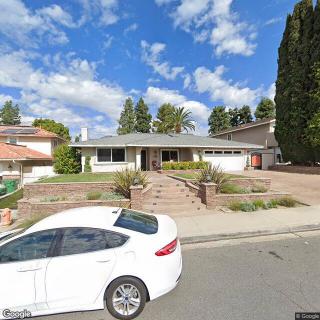






 Understanding the True Cost of Assisted Living in 2025: A Comprehensive Guide
 Understanding Medicaid Coverage for Assisted Living: A Comprehensive Guide
 How and When Medicaid May Cover Assisted Living Costs