
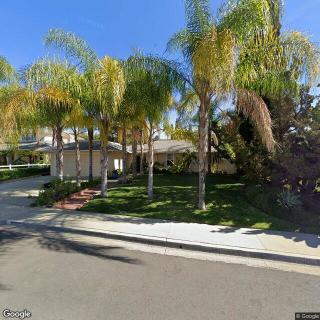
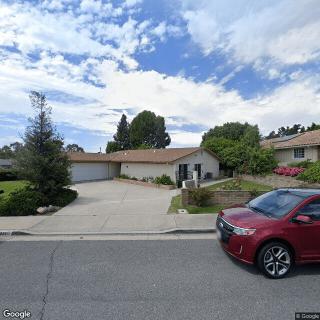
24562 Artemia Avenue, Mission Viejo, CA 92691
For more information about senior living options: (866) 208-4318
Overall Review of A Touch Of Serenity Residential Care
Pros
 Harbor Homes is supportive and welcoming, ensuring transitions for loved ones go smoothly.
- The caregivers are loving and go above and beyond to ensure loved ones are well taken care of.
- The reviewers feel Harbor Homes is the right choice for their loved one’s care.
- Harbor Care Homes is the best facility for a Board and Care.
- The staff at Harbor Care Homes is amazing.
- Visiting nurses and physical therapists note that Harbor Care Homes is better than many places they visit.
- The facility smells clean and looks clean, and it serves homemade meals three times a day.
- The facility offers furniture to help avoid moving belongings in and provides connections to doctors, mobile services, and more, plus music therapy and a broad range of services.
Review
Best for families seeking an intimate, home-like board-and-care setting in Mission Viejo where caregivers are deeply engaged, transitions are handled smoothly, and daily routines feel personalized. The strongest signals from comparable local reviews point to a warm, supportive staff that treats residents like individuals and keeps a steady eye on everyday needs. Expect spaces that feel clean and welcoming, caregivers who are consistently present, and meals that emphasize comfort and reliability. For families prioritizing human connection, predictable routines, and practical coordination with outside professionals, A Touch Of Serenity is a credible option if it mirrors these patterns in practice.
People who may want alternatives are those demanding more on-site medical supervision, a larger campus with broader specialty programming, or a dementia- or memory-care track with formalized oversight. If round-the-clock registered nursing on site, frequent on-site therapy, or a high-volume activity calendar are non-negotiable, a bigger facility with a deeper clinical team could be more reassuring. Families seeking transportation networks, expansive on-site services, or more extensive social programming might also prefer options that scale beyond the intimate board-and-care model. In short, for residents with more complex medical needs or a preference for a wider service mix, alternatives deserve consideration.
From the cited experiences with Harbor Homes, the core strengths are clear: caregivers who are loving and proactive, and a staff culture that clearly “goes above and beyond” to keep residents clean, fed, and medicated on schedule. The environment is described as clean and well-kept, with thoughtful touches like room views and even furniture support that ease the move for families. Accessibility to visiting nurses, physical therapists, and other mobile professionals, along with services such as music therapy, highlights a capacity to weave medical and social care together without forcing families into constant hospital settings. Those factors, combined with reliable routines and staff responsiveness, can substantially offset the limitations typical of smaller homes, where medical depth and specialized programs may be less abundant.
The practical takeaway is clear: this model works best for families who value steadiness, personal attention, and a home-like atmosphere over formal clinical depth. If a loved one thrives on predictable daily life, direct caregiver interaction, and straightforward access to mobile health services, the setting offers meaningful advantages. Yet, for residents whose needs demand on-site clinical intensity, diversified therapy offerings, or dementia-specific programming, it is prudent to compare with facilities that can provide those elements under one roof. The decision hinges on how much medical infrastructure and program breadth are essential to sustained well-being.
During visits, focus on consistency of caregiver coverage and whether the same team is likely to handle the day-to-day care. Inspect cleanliness and the ambiance of living spaces, and sample meals to gauge whether they feel home-cooked and regular. Inquire about medication management processes and how outside professionals, doctors, nurses, therapists, or mobile services, are coordinated. Review the activity calendar for meaningful engagement beyond supervision, and confirm whether residents have access to enrichments such as music therapy or social outings. Check how flexible the community is about furniture arrangements and personal space, and request clarity on escalation pathways if medical needs rise. A candid dialogue about on-site versus external support will reveal how well the operation can scale with changing needs.
Bottom line: for families prioritizing warmth, attentiveness, and dependable daily life in a Mission Viejo setting, this care model offers a compelling blend of compassionate staff, a clean, home-like environment, and ready access to visiting professionals who maintain continuity of care. The peace of mind arising from steady routines and rapid caregiver responsiveness should not be underestimated. The caveat is clear: if the priority leans toward intensive on-site medical depth or dementia-specific programming, alternative options with broader clinical teams may be more suitable. Overall, A Touch Of Serenity Residential Care presents a practical, capable choice for those who value human connection and reliable daily life, with the understanding that medical intensity and program breadth may be better supported elsewhere.
 6 resident community capacity
 Assisted Living
 Cable or satellite TV
 Dining room
 Fully furnished
 Garden
 Housekeeping services
 Move-in coordination
 Outdoor space
 Telephone
 Wi-Fi/high-speed internet available
 John Wayne Orange Co (12 miles away)
 24-hour supervision
 Activities of daily living assistance
 Assistance with bathing
 Assistance with dressing
 Assistance with transfers
 Diabetes diet
 Meal preparation and service
 Medication management
 Special dietary restrictions
 Transportation arrangement (medical)
 Transportation to doctors appointments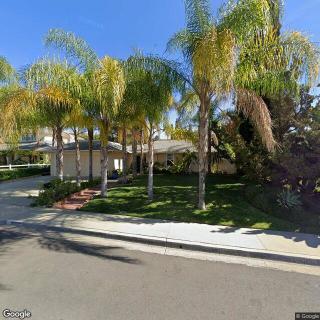


 Understanding the Distinctions: Assisted Living and Memory Care Explained
 Guiding Elderly Parents Who Refuse Assisted Living: 6 Practical Steps
 Your Comprehensive Guide to Luxury Assisted Living: Elevated Facilities, Amenities, and Costs