
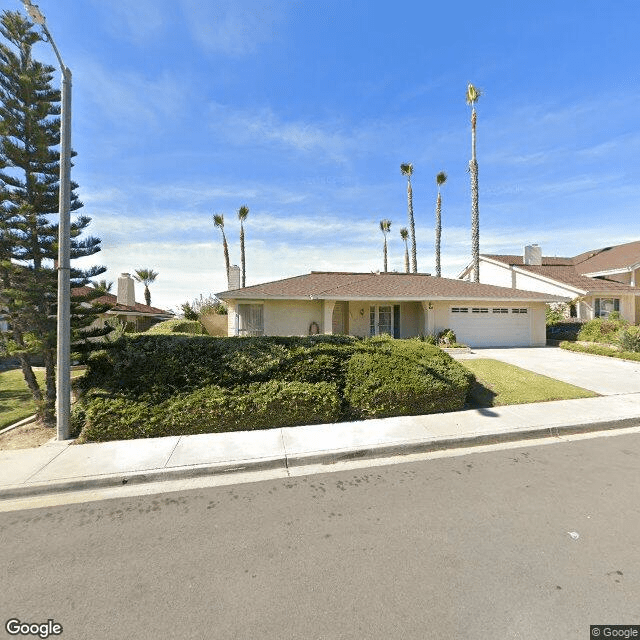
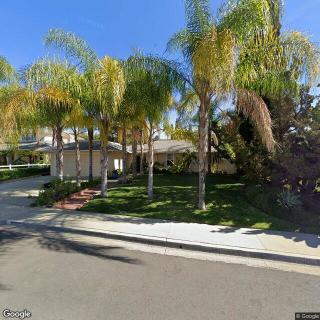
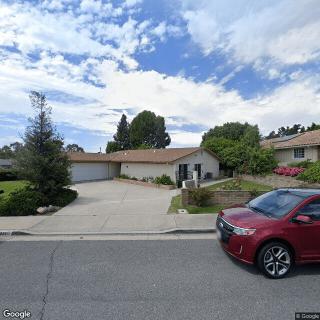
24611 Artemia, Mission Viejo, CA 92691
For more information about senior living options: (866) 208-4318
Overall Review of Shalin Care III
Pros
 The transition into a board-and-care facility is described as simply amazing and provides peace of mind that the mother is in good hands.
- Harbor Care Homes has staff who speak Spanish, removing language barriers and enabling better communication.
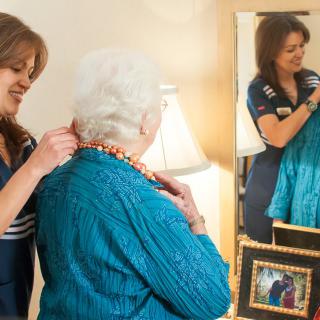
- The care at Harbor Care Homes includes cleanliness, feeding, grooming, medicine management, and responsiveness to calls.
- The staff show empathy toward visiting family members, and the overall care is highly satisfactory.
- Harbor Care Homes is described as one of the nicest and cleanest board-and-care facilities the reviewer has seen.
- Scott and Ryan are consistently updating and heavily involved with aging families and clients.
- The reviewer would highly recommend Harbor Care Homes for aging family, friends, and clients.
Cons
 She was not happy at all with the high-end/high-cost assisted living facility.
- The care charged for as special care was hard to access.
- Her mother had limited English, and it was hard to find a facility that could accommodate her language needs as well as her special care needs.
Review
Shalin Care III in Mission Viejo is best suited for families seeking a small, home-like board-and-care setting where daily life proceeds with steady, hands-on attention and where clear, ongoing communication with relatives is a core expectation. The reviews of comparable intimate residences consistently highlight three things that matter most in decision-making: compassionate, accessible caregiving; environments that are clean and well maintained; and staff who keep families informed and involved. In this context, Shalin Care III should appeal to families prioritizing personal connection, consistent caregiving routines, and language-friendly communication, all of which translate into a tangible peace of mind as a loved one navigates daily needs and transfers between activities of daily living.
Alternative options to consider are those that offer heavier medical oversight, larger-scale programming, or more specialized dementia services. For families whose loved one requires round-the-clock licensed nursing on site, highly structured memory-care protocols, or extensive medical staff availability, a bigger assisted living or dedicated memory-care community may deliver the level of clinical support those needs entail. Small board-and-care homes excel in everyday attentiveness and family communication, but they often operate with leaner medical resources. If the priority is guaranteed on-site physician access, advanced therapies, or expansive social programming, the filing cabinet of options should include larger campuses.
The strongest advantages in this setting hinge on three interlocking strengths. First, language-accessible care and communication matter deeply for residents with limited English or cognitive impairment where miscommunication can undermine safety and dignity. Even without prescriptive language diversity elsewhere, the ability of caregivers to speak with loved ones in a familiar tongue elevates trust, reduces confusion, and speeds coordination of daily routines, medications, and meals. Second, the consistent, empathetic approach of the caregiving team fosters reliability; families report feeling heard, with caregivers who respond promptly to calls and who demonstrate genuine concern for residents’ comfort, grooming, feeding, and safety. Third, an emphasis on cleanliness and daily, visible attention to essential tasks, hydration, nutrition, grooming, and medication management, gives families confidence that basic needs are being met with vigilance. When these elements align, the risk of neglect or neglect-like lapses diminishes, and peace of mind follows.
However, potential gaps inherent to smaller, resident-centered homes must be weighed. A lean operating model can translate into fewer on-site medical specialists and less 24/7 nursing coverage than larger communities. Care continuity hinges on a relatively small team, which can introduce variability if staff turnover occurs. For families, this means asking direct questions about how medications are managed, how often a licensed nurse is available for assessments, and how care plans are updated and shared. Social programming may be more limited than in bigger facilities, so residents needing a robust calendar of activities may find the offerings more modest. These realities do not negate the benefits of intimate attention; they simply define the appropriate resident profile.
To make an informed decision, approach Shalin Care III with a practical playbook. Schedule a live tour and observe how caregivers interact with residents in real time, paying close attention to how staff communicate changes in routines or health status to families. Request to review the written care plan, medication administration procedures, and the facility’s process for emergency escalation. Probe the level of on-site nursing and medical oversight, including who conducts daily rounds and how often physicians or certified professionals visit. Clarify language capabilities among the caregiving team and evaluate whether the resident’s specific language and cultural needs can be met consistently. Finally, discuss cost structure, what is included in the monthly rate, and how additional services or memory-care adjustments would be handled if acuity increases.
In the end, Shalin Care III stands out as a compelling choice for families prioritizing a small, reassuring, and communicative environment where the daily routine is thoughtfully managed and family ties stay tightly connected. It is a prudent pick for residents who value personal attention, clean and respectful surroundings, and clear updates from caregivers who treat daily care as a visible, collaborative partnership. For families whose loved one requires high-intensity medical supervision, specialized dementia programming, or expansive amenities, it is prudent to explore alternatives with deeper clinical resources. The smart course is to compare Shalin Care III against similar intimate homes and larger communities, conduct thorough interviews, and test-drive the experience, ensuring alignment with the resident’s medical needs, language considerations, and family expectations. In this framework, the decision will tilt toward the option that best preserves dignity, safety, and a reliable channel of communication between home and family.
 6 resident community capacity
 Assisted Living
 Board and Care Home
 Activities on-site
 Cable or satellite TV
 Devotional services off-site
 Dining room
 Fully furnished
 Garden
 Housekeeping services
 Indoor common areas
 Move-in coordination
 Outdoor space
 Telephone
 Wi-Fi/high-speed internet available
 John Wayne Orange Co (12 miles away)
 24-hour supervision
 Ambulatory care
 Assistance with bathing
 Assistance with dressing
 Assistance with transfers
 Diabetes diet
 Diabetic care
 Meal preparation and service
 Medication management
 Special dietary restrictions
 Transportation arrangement (medical)
 Transportation to doctors appointments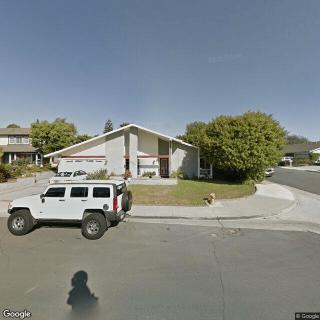


 A Detailed Exploration of Assisted Living Medicaid Waivers Across the United States
 Comprehensive Residential Support and Assisted Living Solutions for Individuals with Disabilities
 Comprehensive Supportive Living Arrangements for Adults with Disabilities