
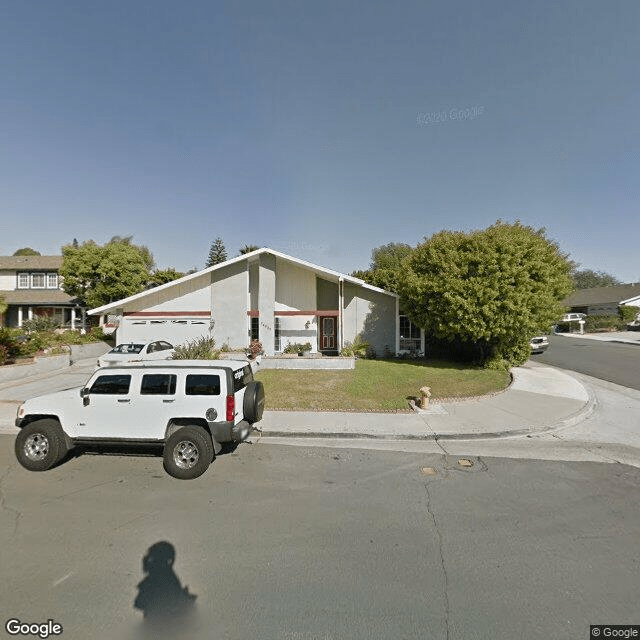
24632 Artemia Avenue, Mission Viejo, CA 92691
For more information about senior living options: (866) 208-4318
Horizon Elderly Care Home Costs & Pricing
Horizon Elderly Care Home offers competitive rates for its residents, particularly when viewed in the context of Orange County and statewide averages. For a semi-private room, the monthly cost at Horizon stands at $3,800, which is slightly above the county average of $3,431 yet remains higher than the state average of $3,333. In contrast, the private room rate of $4,200 is marginally above both the Orange County rate of $4,104 and significantly higher than California's statewide average of $3,939. These figures suggest that while Horizon provides a valued service with its personalized care options, potential residents should consider how these costs align with their budget compared to other facilities in the region.
| Floor plans | Horizon Elderly Care Home | Orange County | California |
|---|---|---|---|
| Semi-Private | $3,800 | $3,431 | $3,333 |
| Private | $4,200 | $4,104 | $3,939 |
Assisted Living communities with a similar price nearby
-
from +$195 / mo

Cadence Brea
$3,995 to $5,500 / month24.6 miles away -
from -$300 / mo
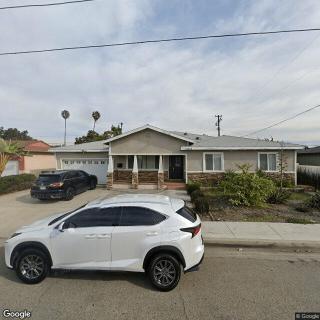
Loving Home Care
$3,500 to $4,500 / month21.3 miles away -
from -$300 / mo

Sam's Homecare
$3,500 to $5,500 / month21.6 miles away -
from -$300 / mo
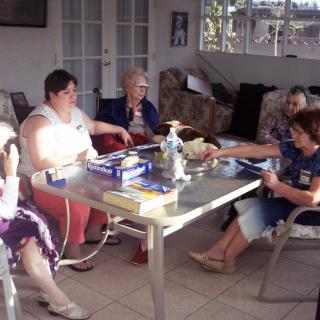
Golden Life Manor
$3,500 to $4,000 / month19.8 miles away -
from +$700 / mo

Casa Bella
$4,500 / month18.1 miles away
Overall Review of Horizon Elderly Care Home
Pros
 The home where the mom stayed for six weeks was clean and nicely decorated.
- The reviewer notes that macaroni and cheese can be prepared with healthy ingredients, such as real cheese, milk, and butter.
- There are many healthy, easy-to-make foods suggested, including using a crockpot.
- The reviewer hopes this information helps other families when choosing care for a loved one.
Cons
 The reviewer criticized Horizon's food as being of very poor quality.
- They described the meals as boxed Kraft Macaroni & Cheese with Spam, Franks and Beans, and lots of Soup.
- They felt that for $1,000 a week, residents deserved healthy home-cooked food.
- They called the experience very disappointing.
- They believed residents were fed whatever because no one else in the house could speak up.
Review
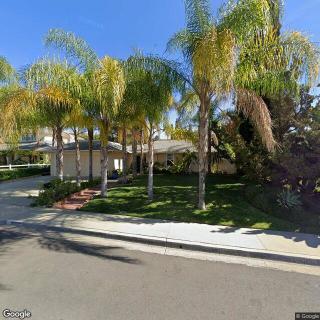
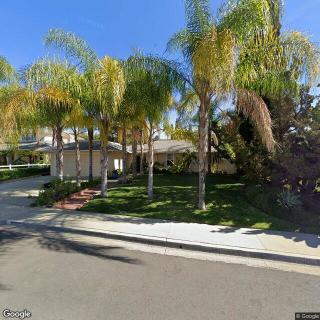
Horizon Elderly Care Home in Mission Viejo is best suited for families that want a clean, pleasant, and orderly environment where appearances and safety feel reliably cared for, and where there is room for active family involvement to monitor daily needs. The community presents well on the surface: rooms and common areas are clean, and the décor is inviting, which can support a dignified transition for a loved one who appreciates a calm, home-like setting. This is not a facility built around flashiest amenities or high-energy programming; it’s a practical, low-ambiguity environment that works for residents who value steadiness and straightforward upkeep. For families seeking more than a well-kept backdrop, specifically, strong, proactive attention to nutrition and resident engagement, this is a decisive factor to scrutinize.
The strongest asset Horizon offers is its physical ambiance. Cleanliness, tidy shared spaces, and tasteful decoration create a sense of order that can reduce anxiety for many residents and reassure families during the transition. In practical terms, the environment supports comfort, easy navigation for those with limited mobility, and predictable routines. For seniors who respond positively to a calm, aesthetically pleasing setting where staff are unobtrusive rather than constantly in motion, Horizon delivers a reassuring baseline. This is not an indulgent luxury, but a tangible foundation for daily living that some families will prize highly, particularly when other concerns are manageable.
Yet the dominant drawback highlighted by the sole detailed review centers on the dining program. Meals described as boxed Kraft Macaroni & Cheese with Spam, Franks and Beans, and an emphasis on soup signal a serious misalignment with expectations for an assisted living price point. The reviewer notes $1,000 per week in exchange for home-style, nutritious cooking, and those expectations are not met. The complaint isn’t merely about taste; it speaks to fundamental questions of nutrition, variety, and how meals are planned and prepared. When the dining experience reads as industrial rather than thoughtfully curated, the core value proposition of assisted living, consistent, nourishing meals tailored to residents’ needs, feels compromised. This confluence of price and food quality is the precise tension families must weigh.
The perceived lack of personalized attention in dining compounds concerns about engagement and overall satisfaction. The reviewer’s comment that “no one else in the house could speak, so they just feed them whatever?” points to a perception that staff or the resident community may not be actively connected with individual preferences or dietary needs. Even without broad evidence, this sentiment matters: a facility’s ability to foster conversation, monitor dietary restrictions, and adjust menus in response to resident feedback is critical for long-term well-being. If meals feel impersonal or unresponsive, it undermines trust, willingness to stay engaged with activities, and confidence that nutrition will support health over time.
Who should consider alternatives? Families prioritizing robust dining quality, stronger dietary oversight, and more dynamic social programming should look elsewhere. Seek communities that demonstrate on-site culinary leadership, regular menu updates, and active dietitian input, along with menus that accommodate restrictions and cultural preferences. Observing a dining room during peak hours, requesting sample menus, and speaking with residents about their experiences can reveal whether a facility truly delivers on nourishment and engagement. For those who cannot tolerate compromise on meals or who require a higher level of social interaction, Horizon may not be the best fit.
The practical path forward is clear. Schedule a tour focused on the dining program: request a sample menu, ask how meals are prepared, and determine whether residents can customize meals or request alternatives. Verify what the weekly rate includes and whether meals are integrated into the price or billed separately. Speak with staff about how dietary preferences are captured and reviewed, and engage current residents or families about daily life, not just décor and safety. If the dining experience can be improved to meet reasonable expectations for nutrition and variety, Horizon becomes a viable, solid option in a market where appearance matters but nourishment sustains. If not, families should advance to communities with proven, chef-led dining and more responsive resident care, where the tangible value aligns with the investment.
 6 resident community capacity
 Assisted Living
 Board and Care Home
 Activities off-site
 Cable or satellite TV
 Dining room
 Fully furnished
 Garden
 Housekeeping services
 Indoor common areas
 Move-in coordination
 Outdoor common areas
 Private
 Private bathrooms
 Respite or short term stays offered
 Telephone
 Wheelchair accessible showers
 Wi-Fi/high-speed internet available
 John Wayne Orange Co (12 miles away)
 24-hour supervision
 Assistance with bathing
 Assistance with dressing
 Assistance with transfers
 Diabetes diet
 Diabetic care
 High acuity care
 Incontinence care
 Meal preparation and service
 Medication management
 Special dietary restrictions
 Transportation arrangement (medical)
 Transportation to doctors appointments



 Assisted Living and Memory Care: Understanding Their Core Differences
 Beyond the Bingo Hall: 50+ Enriching Activities for Seniors in Assisted Living
 Understanding the Distinctions: Assisted Living and Memory Care Explained