
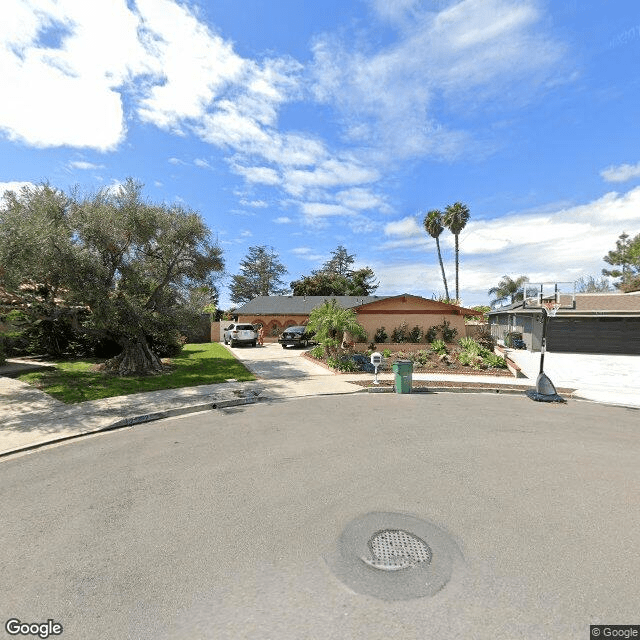
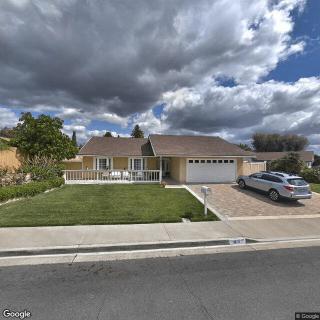
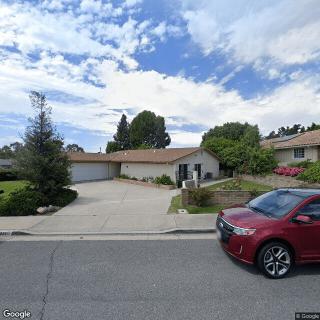
24301 Lysanda Drive, Mission Viejo, CA 92691
For more information about senior living options: (866) 208-4318
Rainbow Cottage Costs & Pricing
Rainbow Cottage offers competitive pricing for its accommodations compared to both Orange County and the broader state of California. For semi-private rooms, Rainbow Cottage's monthly fee is $3,500, which is slightly higher than Orange County's average of $3,431 but remains below the state average of $3,333. In terms of private rooms, Rainbow Cottage charges $4,300 - this aligns closely with Orange County's rate of $4,104 while exceeding California's average of $3,939. For one-bedroom units, Rainbow Cottage maintains a price point of $4,300 that is quite reasonable when contrasted with Orange County's typical cost of $4,380 and California's average of $4,340. Overall, these figures suggest that Rainbow Cottage provides a valuable option within the regional market without straying far from prevailing rates.
| Floor plans | Rainbow Cottage | Orange County | California |
|---|---|---|---|
| Semi-Private | $3,500 | $3,431 | $3,333 |
| Private | $4,300 | $4,104 | $3,939 |
| 1 Bedroom | $4,300 | $4,380 | $4,340 |
Memory care communities with a similar price nearby
-
from +$495 / mo

Cadence Brea
$3,995 to $5,500 / month24.2 miles away -
About the same
Kun Bai Care
$3,500 to $4,500 / month23.6 miles away -
from -$650 / mo
Alternative Senior Care - Freshwater
$2,850 to $3,250 / month20.0 miles away -
from -$500 / mo
Best Elderly Care I
$3,000 to $3,500 / month15.8 miles away -
from +$500 / mo
Active Senior Home Care
$4,000 to $5,000 / month1.4 miles away
Overall Review of Rainbow Cottage
Pros
 The reviewer rated Rainbow Cottage five out of five on all aspects.
- The facility is personalized, warm, and welcoming.
- The residents eat together, and one resident has her own room.
- The house is described as a residential facility that is all-inclusive.
- The caregivers Mel and May are very caring and know how Dad was doing.
- Hanh, the owner, would take Dad for little excursions for lunch, dinner, or the movies when he was up for it.
- They played bingo, had singers come in to sing songs Dad knew, and would walk around the block when Dad was mobile.
- Visitors are welcome to visit and ask questions about care.
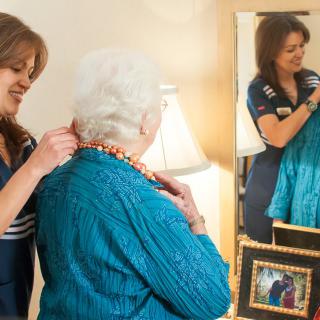
- The staff would give Dad haircuts, trim his nails, and take him for his doctor’s visits.
- The reviewer highly recommends Rainbow Cottage.
Review
Rainbow Cottage in Mission Viejo is best suited for seniors who want a warm, home-like living experience with hands-on daily care, companionship, and all-inclusive budgeting. The residence sits in a converted house, which translates into a tight-knit atmosphere rather than a hospital corridor environment. Two longtime caregivers, Mel and May, are highlighted as the steady hands for residents, with owner Hanh actively involved in outings and ongoing care decisions. Residents eat together and keep their own rooms, blending social connection with personal space. For families seeking a true home-away-from-home vibe, with practical routines and close, ongoing oversight, Rainbow Cottage stands out as a compelling option.
We see a clear caveat for families with higher medical needs or memory-care requirements. Rainbow Cottage’s small scale and house-based model suggest care delivered by a limited team, with Mel, May, and the owner driving most routines. That structure often works beautifully for people who don’t require constant clinical oversight, but it can fall short for residents needing frequent skilled nursing, IV therapies, or rapid medical escalation. For those prioritizing formal staffing practices, predictable 24/7 nursing presence, or specialized dementia care programming, alternatives in larger assisted living or dedicated memory-care communities will likely provide more certainty and a broader set of medical services.
The positives are concrete and meaningful. The strongest upside is personalized attention delivered in a warm, welcoming setting, where daily life centers on social connection without sacrificing privacy, each resident has a private room while meals and activities help sustain a sense of belonging. The all-inclusive model is a practical asset, reducing bill shock and clarifying what family pays month to month. Caregivers’ hands-on routines, haircuts, nail trims, doctor visits coordination, and the willingness to arrange small excursions reflect a level of attentiveness that’s rare in larger operations. Social engagement, bingo, visiting singers, and neighborhood strolls, helps prevent isolation and supports continuity of identity and purpose. The openness to visits and questions further strengthens trust and transparency.
Yet the described constraints temper those strengths. The intimate staff model can become a bottleneck if Mel and May are unavailable or if contingencies aren’t clearly covered, creating potential gaps in coverage during off-hours or vacations. The absence of a stated memory-care specialization means families should be cautious about advanced dementia needs, where more structured programming and supervision are standard. While the outings and activities are appealing, the breadth of programming may be more modest than what larger communities offer, potentially limiting variety for residents with broader interests. The small sample of two positive reviews also invites caution about assuming uniform quality across all visits; families should verify licensing specifics, care plans, and actual on-site practices during a visit.
Weighing the trade-offs, the pros can decisively outweigh the cons when the resident prioritizes warmth, intimacy, and daily life that feels familiar rather than clinical. A home-oriented setting with consistent caregivers fosters rapid communication and a palpable sense of safety for seniors who value relationships and predictability. The private room paired with shared dining creates autonomy within a supportive network, an arrangement that often yields higher engagement and satisfaction than sterile, impersonal campuses. The owner’s hands-on involvement signals a sustained commitment to happiness and continuity of care, reinforcing trust for families who want to stay closely connected to daily routines and decisions. For those who want life to feel normal and neighborly rather than institutional, Rainbow Cottage delivers.
Decision-makers should approach Rainbow Cottage with a clear fit checklist. First, confirm that the loved one’s needs align with a home-like residential setting rather than a hospital-style campus, recognizing the strength of intimate care paired with personal attention. Next, visit in person to observe staffing dynamics, ask about real-time caregiver-to-resident ratios, and gauge how the owner integrates into daily operations. Request a written outline of memory-care capabilities, emergency protocols, medication management, and transportation for appointments. Compare with nearby larger assisted living or memory-care options to understand the differences in medical oversight, programming breadth, and total cost. If warmth, relationship-driven care, and social connectedness matter most, Rainbow Cottage becomes a strong candidate worth pursuing; if intensive medical supervision or specialized dementia care is non-negotiable, it remains prudent to explore alternatives that provide those guarantees.
 6 resident community capacity
 Assisted Living
 Board and Care Home
 Memory Care
 Activities off-site
 Beautician on-site
 Cable or satellite TV
 Devotional services off-site
 Dining room
 Fully furnished
 Garden
 Housekeeping services
 Indoor common areas
 Move-in coordination
 Outdoor common areas
 Private
 Telephone
 Wheelchair accessible showers
 Wi-Fi/high-speed internet available
 John Wayne Orange Co (12 miles away)
 24-hour supervision
 Assistance with bathing
 Assistance with dressing
 Assistance with transfers
 Diabetes diet
 Diabetic care
 High acuity care
 Incontinence care
 Meal preparation and service
 Medication management
 Special dietary restrictions
 Transportation arrangement (medical)
 Transportation to doctors appointments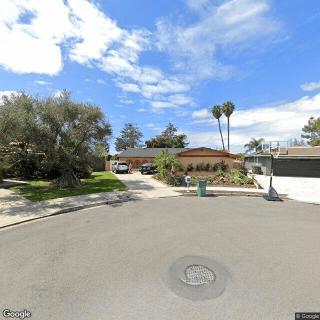


 Dementia, Paranoia, and Caregiver Guidance: Understanding the Connection
 Engaging Memory Care Activities That Enhance Quality of Life
 When to Transition from Assisted Living to Memory Care: Key Indicators, Steps, and Finding the Right Community