
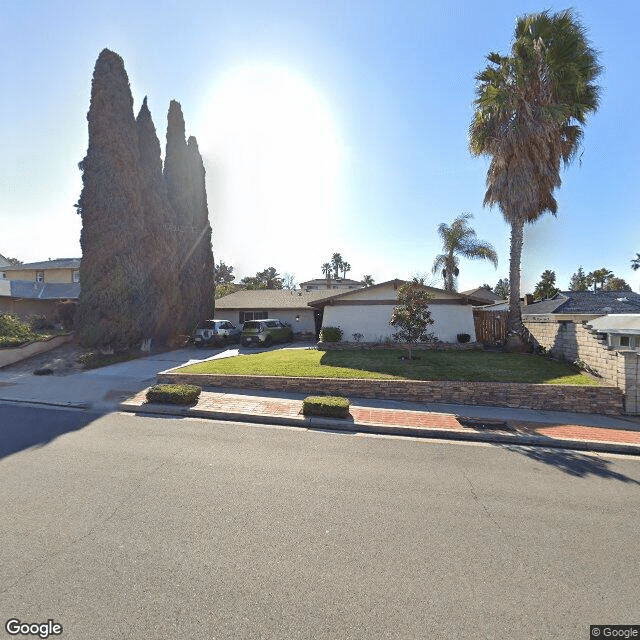
24332 Spartan Street, Mission Viejo, CA 92691
For more information about senior living options: (866) 208-4318
Irvine Cottage 10 Costs & Pricing
Irvine Cottage 10 offers competitive pricing for its accommodations, particularly when compared to both Orange County and the broader state of California. For a semi-private room, residents can expect to pay $5,300 per month, which is notably higher than the county average of $3,431 and the state average of $3,333. The cost for a private room at Irvine Cottage 10 is set at $6,400, exceeding the regional average of $4,104 and slightly surpassing the state average of $3,939. Similarly, one-bedroom units also align with this trend, priced at $6,400 as compared to Orange County's average of $4,380 and California's statewide figure of $4,340. Overall, while Irvine Cottage 10 does present higher costs relative to its local counterparts and the state overall, it may reflect an emphasis on quality care or amenities offered in this particular facility.
| Floor plans | Irvine Cottage 10 | Orange County | California |
|---|---|---|---|
| Semi-Private | $5,300 | $3,431 | $3,333 |
| Private | $6,400 | $4,104 | $3,939 |
| 1 Bedroom | $6,400 | $4,380 | $4,340 |
Memory care communities with a similar price nearby
-
from -$800 / mo
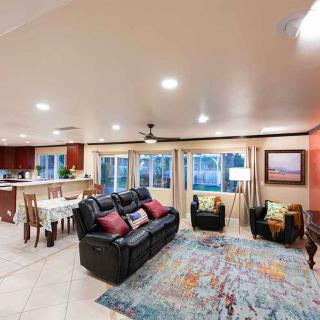
Casa Bella
$4,500 / month17.8 miles away -
from -$800 / mo
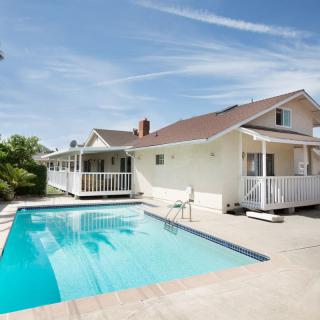
Blessings Senior Care
$4,500 to $5,500 / month22.8 miles away -
from -$800 / mo
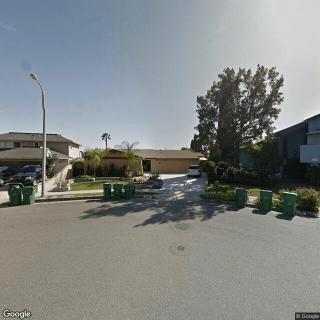
Adriana Elderly Care Home I
$4,500 / month0.4 miles away -
from +$185 / mo

Park Terrace
$5,485 to $6,850 / month5.8 miles away -
from -$460 / mo
Crescent Landing at Santa Ana Memory Care
$4,840 to $6,825 / month14.1 miles away
Overall Review of Irvine Cottage 10
Pros
 The house is clean.
- The company seems excellent and well-run.
- Caregivers look great.
- The administrator is liked a lot.
Cons
 The house is ugly.
Review
Irvine Cottage 10 in Mission Viejo is best suited for families that value dependable operations and steady caregiving over curb appeal. The community’s core strength is a well-run organizational framework supported by a professional caregiving team and clear administrative leadership. For families focused on safety, consistency, and reliable day-to-day management, this option delivers the stability that reduces surprises and keeps care plans on track. The administrator’s leadership is a recurring positive note, signaling a responsive point person for family questions and care adjustments, which matters greatly when care needs evolve.
Those who prize a warm, inviting interior or a lively, visually appealing living environment may want to consider alternatives. The sole firsthand impression notes the house as unattractive, which can weigh heavily for residents who spend a lot of time in common spaces or for families who want a home that feels uplifting. Aesthetic comfort and the atmosphere of shared living areas can influence mood, social engagement, and willingness to participate in activities. If these elements are non-negotiable, other communities with more appealing interiors and brighter common rooms will likely better meet expectations.
On the positive side, caregivers are described as looking great, which translates into perceived professionalism, attentiveness, and a capacity to deliver attentive daily care. When staff present well and staff dynamics feel cohesive, families gain confidence that aides are well supervised and that routines, from medication administration to personal care, are carried out with consistency. The statement that the company is well run reinforces a structured environment where care plans are likely to be followed, supervision is consistent, and compliance with care standards is a priority. In practice, this translates to fewer gaps in care, better incident tracking, and a smoother escalation path if concerns arise.
The main caveat rests on the limited data: a single review rating of 3 stars signals caution. One data point makes it risky to generalize about overall resident satisfaction, social programming, meal quality, or how the community handles challenging behaviors or memory-related needs. Potential residents and their families should seek corroboration, tour multiple times, speak with direct care staff about daily routines, and request candid references from current families. Until a broader feedback base exists, decisions should lean on concrete observations from tours and conversations with the administrator rather than the weight of a lone score.
Despite the limited sample, the strong operational core and capable caregiving team can offset the less appealing aesthetics for families prioritizing reliable care. A well-run operation usually means structured care planning, consistent staffing levels, regular supervision, and transparent communication with families. Those advantages can reduce the stress of managing care transitions, especially for residents who require steady routines, medication oversight, and responsive problem-solving. The balance of competent staff and stable leadership can create a trustworthy caregiving environment even if the interiors are not the community’s strongest feature.
Bottom line: Irvine Cottage 10 offers a solid case for families seeking dependable, well-managed care with a administrator they can rely on. If aesthetics, social polish, and a bright, homey atmosphere are paramount, alternatives may be a better fit. For families where proven care quality and operational reliability trump interior design, this community deserves serious consideration, paired with a thorough on-site assessment. Suggested next steps include requesting a full tour of private and shared spaces, meeting frontline caregivers to gauge engagement and warmth, reviewing a sample care plan, and speaking with the administrator about how care priorities are set and adjusted over time.
 6 resident community capacity
 Assisted Living
 Board and Care Home
 Memory Care
 Respite Care
 Cats allowed
 Dogs allowed
 Activities off-site
 Beautician on-site
 Cable or satellite TV
 Dining room
 Fully furnished
 Garden
 Housekeeping services
 Indoor common areas
 Move-in coordination
 Outdoor common areas
 Private
 Private bathrooms
 Telephone
 Wheelchair accessible showers
 Wi-Fi/high-speed internet available
 John Wayne Orange Co (12 miles away)
 24-hour supervision
 Assistance with bathing
 Assistance with dressing
 Assistance with transfers
 Diabetes diet
 High acuity care
 Incontinence care
 Meal preparation and service
 Medication management
 Special dietary restrictions
 Transportation arrangement (medical)
 Transportation to doctors appointments

 Exploring the Contrasts Between Assisted Living and Skilled Nursing
 Vibrant Senior Living: A Comprehensive Guide for Active Older Adults
 Assisted Living and Memory Care: Understanding Their Core Differences