
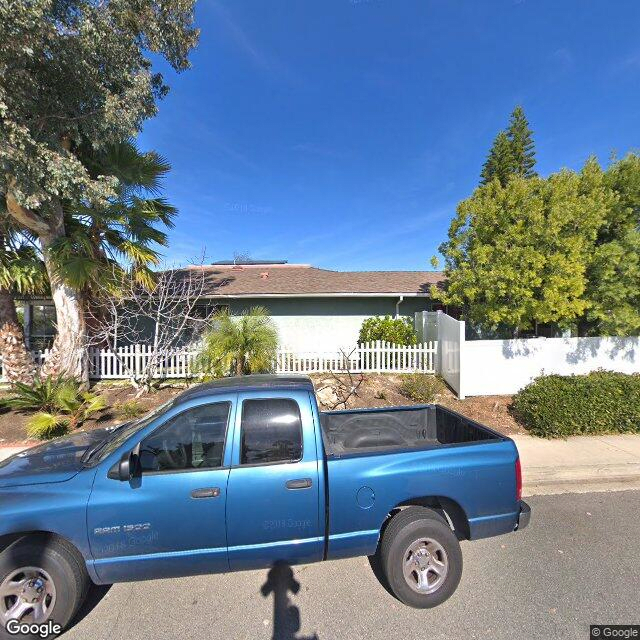
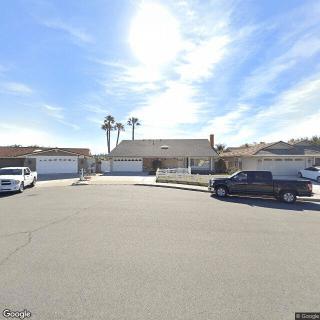
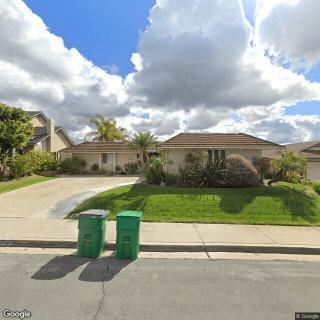
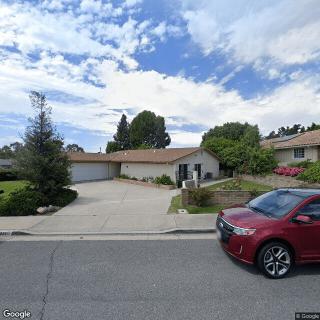
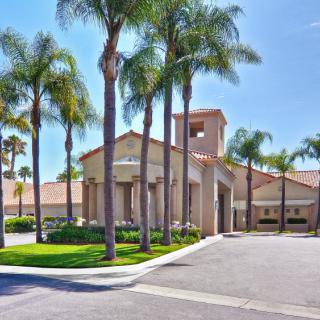
24422 Zandra Drive, Mission Viejo, CA 92691
For more information about senior living options: (866) 208-4318
Queen's Home I Costs & Pricing
Queen's Home I offers competitive pricing for various room types compared to the broader costs in Orange County and California. For a semi-private room, residents pay $2,800 per month, significantly lower than the county average of $3,431 and the state average of $3,333. Those seeking more privacy can opt for a private room at Queen's Home I for $3,200, which is again more affordable than the county rate of $4,104 and slightly less than the state average of $3,939. Additionally, for those interested in a one-bedroom option, the monthly cost remains at $3,200 - substantially lower than both the county average of $4,380 and the state average of $4,340. Overall, Queen's Home I presents an attractive alternative for individuals looking for quality accommodation at a reasonable price within this region.
| Floor plans | Queen's Home I | Orange County | California |
|---|---|---|---|
| Semi-Private | $2,800 | $3,431 | $3,333 |
| Private | $3,200 | $4,104 | $3,939 |
| 1 Bedroom | $3,200 | $4,380 | $4,340 |
Memory care communities with a similar price nearby
-
About the same
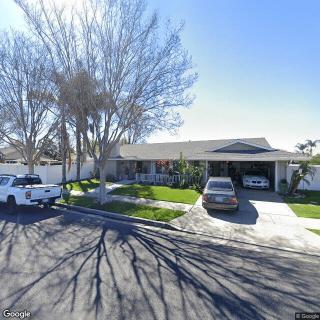
Candlewood Care Home III
$2,800 to $3,400 / month11.5 miles away -
About the same
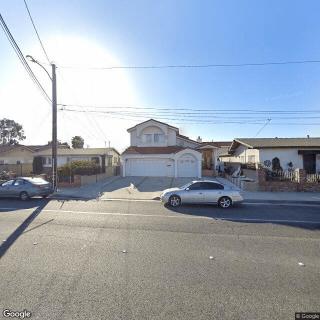
Leah Loving Elderly Care
$2,800 to $3,000 / month16.6 miles away -
from -$100 / mo
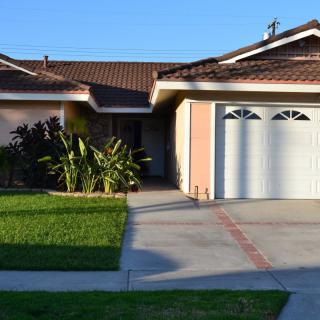
Loving Care Senior Home
$2,700 to $3,500 / month17.1 miles away -
from -$500 / mo
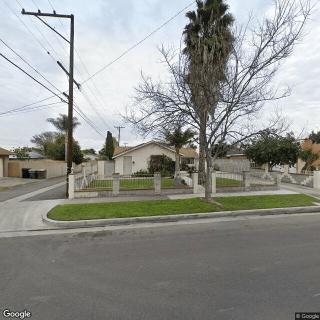
Bronwyn Residential Care
$2,300 to $3,500 / month22.9 miles away -
About the same
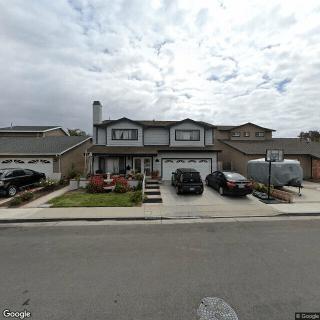
Alternative Senior Care - Freshwater
$2,850 to $3,250 / month19.9 miles away
Overall Review of Queen's Home I
Pros
 The ambiance at Queen's Home feels like a real home, not a hospital.
- Kathy is friendly and caring, and she maintains a great staff of caregivers.
- Holidays and celebrations are special, with gift exchanges and a festive Christmas Party.
- The staff make visiting family members feel like part of the family.
- Queen's Home has provided years of loving care for its residents.
- Dad Terry is very happy and well cared for over two years at Queen's Home.
- He is especially close to Nattie, Allen, and Joy.
- The facility is well run, clean, and organized.
- There are plenty of activities for residents, including bingo, mall outings, and daily exercise.
- Maricel is passionate about her work and goes above and beyond for residents.
Review
Queen’s Home I is best suited for families seeking a warm, home-like board-and-care setting in Mission Viejo where the senior experience centers on individualized attention, stability, and a strong sense of belonging. This community excels for residents who value daily life that feels like family care, regular visits, celebratory events, and a familiar, comfortable living environment. It works particularly well for seniors who want to avoid the feel of a hospital or large campus while still receiving attentive daily assistance, reliable supervision, and predictable routines. The emphasis on hominess, clean rooms, and genuine warmth from the owner-operator and staff makes it an especially strong fit for long-term placements where ongoing continuity matters.
Those who may want to consider alternatives include families whose loved one requires higher levels of medical oversight or specialized programming. If 24/7 on-site nursing, advanced wound care, or in-depth memory-care protocols with dedicated dementia programming are non-negotiable, a larger facility with broader clinical resources may prove more suitable. Similarly, residents needing aggressive rehab services, frequent specialized therapies, or a campus with extensive on-site specialists could be better served elsewhere. In short, Queen’s Home I shines as a homey, intimate option, but it is not a substitute for environments designed to deliver high-intensity medical care on demand.
The strongest pros center on the living experience itself. The ambiance, rooms that feel clean, comfortable, and home-like, paired with hands-on, owner-driven leadership creates a trustworthy sense of continuity. The caregiver team is repeatedly highlighted as compassionate, skilled, and approachable, with a staff roster that remains stable over years. Families report feeling like they are extended members of the team, thanks to open communication, consistent care, and staff who go above and beyond to make holidays and birthdays meaningful. Cleanliness, organization, and a managed pace of life reinforce the impression of a well-run, respectful home setting where residents are treated with dignity.
Activity and engagement are another standout advantage. The facility offers a lively slate of daily and social options, including games, outings, and accessible exercise, ensuring residents stay physically and socially engaged. Testimonials point to regular opportunities to visit the mall, participate in recreational outings, and enjoy structured routines that balance companionship with independence. The sense of community is reinforced by celebrations, photos from milestone birthdays and holiday gatherings, that create meaningful, participatory experiences for residents and their families alike. These elements collectively offset the quiet scale of the operation by delivering a rich, human-centered daily life.
That said, the intimate, home-based model carries trade-offs worth weighing carefully. The scale means fewer on-site specialists and less depth in medical programming than larger assisted-living campuses. For families prioritizing extensive on-site clinical services, it’s prudent to verify current nursing coverage, care-plan responsiveness, and escalation pathways should a resident’s needs change. Prospective residents should also consider how the owners’ hands-on management translates into consistency during staffing fluctuations and whether a sense of continuity would be maintained if there were shifts in leadership. The reviews’ strong narrative of stability and personal investment suggests these are well-managed, but a prudent family will confirm specifics before moving in.
In the end, Queen’s Home I emerges as a compelling choice for households seeking an intimate, compassionate environment where care feels personal, staffing feels steady, and daily life is infused with homelike warmth and purposeful activities. It is an especially suitable match for residents who thrive on close-knit relationships with caregivers and who do not require aggressive medical programming. For families needing robust, on-site medical infrastructure or extensive specialized memory-care services, exploring larger facilities with broader clinical offerings is advisable. Prospective clients should visit, observe interactions, discuss care-planning details, and verify schedules and costs to ensure the fit is truly right for the loved one’s present and anticipated needs.
 6 resident community capacity
 Assisted Living
 Board and Care Home
 Memory Care
 Cable or satellite TV
 Dining room
 Fully furnished
 Garden
 Housekeeping services
 Move-in coordination
 Outdoor space
 Private
 Respite or short term stays offered
 Telephone
 Wi-Fi/high-speed internet available
 John Wayne Orange Co (11 miles away)
 24-hour supervision
 Activities of daily living assistance
 Assistance with bathing
 Assistance with dressing
 Assistance with transfers
 Diabetes diet
 High acuity care
 Incontinence care
 Meal preparation and service
 Medication management
 Special dietary restrictions
 Transportation arrangement (medical)
 Transportation to doctors appointments

 Engaging Memory Care Activities That Enhance Quality of Life
 When to Transition from Assisted Living to Memory Care: Key Indicators, Steps, and Finding the Right Community
 Understanding the Distinctions: Assisted Living and Memory Care Explained