
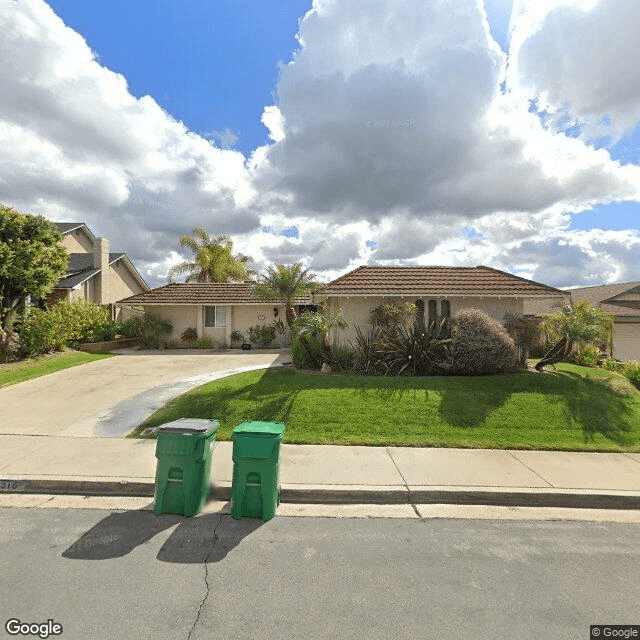
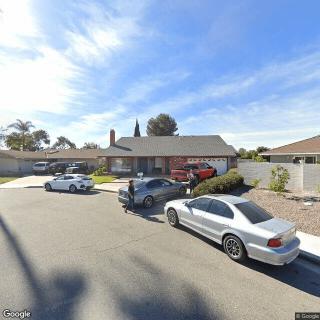
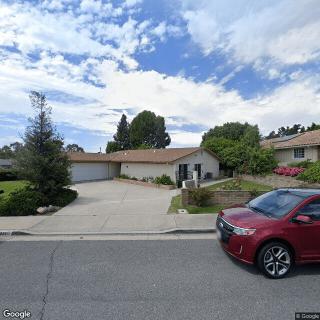
24516 Saturna Drive, Mission Viejo, CA 92691
For more information about senior living options: (866) 208-4318
Jp Senior Homes - Tak Costs & Pricing
At Jp Senior Homes - Tak, the monthly costs for senior living reflect a competitive pricing strategy compared to both Orange County and broader California averages. For semi-private accommodations, residents can expect to pay $3,300 per month, which is slightly lower than the Orange County average of $3,431 and aligns closely with the state average of $3,333. When it comes to private rooms, Jp Senior Homes - Tak offers a rate of $3,600 per month, significantly more affordable than the average in Orange County at $4,104 while also being competitively priced relative to California's statewide average of $3,939. This positions Jp Senior Homes - Tak as an appealing choice for families seeking quality care without exceeding their budget.
| Floor plans | Jp Senior Homes - Tak | Orange County | California |
|---|---|---|---|
| Semi-Private | $3,300 | $3,431 | $3,333 |
| Private | $3,600 | $4,104 | $3,939 |
Assisted Living communities with a similar price nearby
-
from +$200 / mo
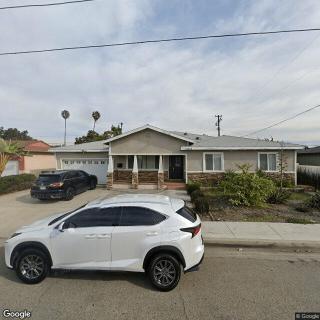
Loving Home Care
$3,500 to $4,500 / month21.1 miles away -
from -$500 / mo
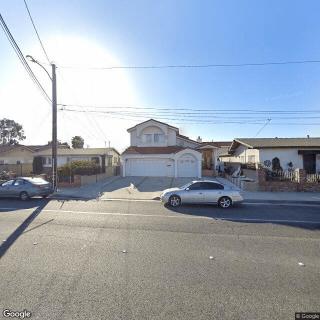
Leah Loving Elderly Care
$2,800 to $3,000 / month16.6 miles away -
from -$600 / mo
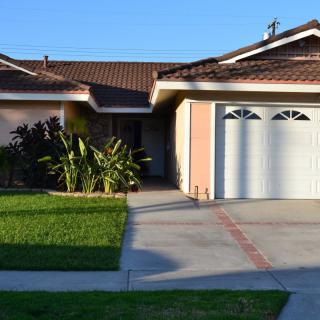
Loving Care Senior Home
$2,700 to $3,500 / month17.1 miles away -
from -$300 / mo
Tabi's Facility Home Care
$3,000 to $3,500 / month24.1 miles away -
from +$200 / mo

Sam's Homecare
$3,500 to $5,500 / month21.4 miles away
Overall Review of Jp Senior Homes - Tak
Pros
 The family is very happy with the level of care their mom receives at Port Diana home.
- Their mom is comfortable living there.
- They appreciate the level of communication with Scott and Ryan.
- They feel that Scott and Ryan care for their mom very well.
Review
This community in Mission Viejo is best suited for families seeking a warm, caregiver-driven environment where an aging loved one receives steady, hands-on attention and clear, ongoing communication. The profile implied by the referenced experience points to a setting that prioritizes comfort and daily reassurance, with staff visibly engaged in daily care tasks and resident well-being. Families that value transparency, regular updates, and a home-like atmosphere will find JP Senior Homes - Tak a compelling option. When the goal is reliable day-to-day oversight and a sense that a resident is truly known by the caregiving team, this community aligns with those priorities.
Those considering alternatives should weigh factors such as cost, location, and the level of medical coordination required. If a tighter budget or a shorter stay is the expectation, look at less-staffed smaller homes or facilities with lower monthly fees. If the loved one needs specialized memory care, advanced clinical oversight, or more robust healthcare partnerships, other campuses with dedicated memory-care wings or on-site clinicians may be more appropriate. For families seeking very independent living with limited daily support, a different model could yield a better fit.
Key advantages highlighted by the family are the high level of care and the comfortable living environment, reinforced by strong, dependable communication with named care leaders. The ability to receive timely updates and to feel heard by the administrative and caregiving team reduces family anxiety and creates confidence in daily decisions. This combination, visible caregiving tasks performed with care, coupled with proactive communication channels, makes it easier to maintain trust when a loved one cannot be near home throughout the day.
Notably, the account does not surface common friction points such as inconsistent staffing, safety concerns, or disengaged activity programs. In practical terms, the lack of disclosed downsides means the described strengths are not merely pleasant extras but the core drivers of a good care experience. When a family can count on steady communication with Scott and Ryan and observe genuine attentiveness to the resident’s comfort, the overall risk of care gaps diminishes substantially.
Those evaluating this option should seek specifics that matter in daily life: staff-to-resident ratios during peak hours, how care plans are updated, meal quality and appetite support, opportunities for social and cognitive activities, and transportation to appointments. Confirm how care plans adapt to illness flares or changes in routine, and ask for examples of how staff communicate with families between meetings. Visiting patterns and the ability to personalize the room and daily schedule will illuminate how closely the environment matches the loved one’s preferences and needs.
In sum, JP Senior Homes - Tak appears well-suited for families who prioritize consistent, compassionate care and open family communication. For those whose priorities include cost sensitivity, specific memory-care needs, or a different scale of operation, exploring alternatives remains prudent. The practical takeaway is clear: a home where staff visibly cares and communicates well can transform the experience of aging at home and provide the reassurance families seek when entrusting care to others. This community is a strong contender for the right fit in Mission Viejo.
 6 resident community capacity
 Assisted Living
 Board and Care Home
 Dogs allowed
 Activities off-site
 Cable or satellite TV
 Dining room
 Fully furnished
 Garden
 Housekeeping services
 Move-in coordination
 Outdoor space
 Private
 Telephone
 Wi-Fi/high-speed internet available
 John Wayne Orange Co (11 miles away)
 24-hour supervision
 Ambulatory care
 Assistance with bathing
 Assistance with dressing
 Assistance with transfers
 Diabetes diet
 Diabetic care
 High acuity care
 Meal preparation and service
 Medication management
 Special dietary restrictions
 Transportation arrangement (medical)
 Transportation to doctors appointments
 Comprehensive Insights into Activities of Daily Living (ADLs) and Their Assessment
 Medicare Coverage for Assisted Living: An In-Depth Exploration
 Choosing the Right Senior Care: A Detailed Exploration of Assisted Living and Nursing Homes