
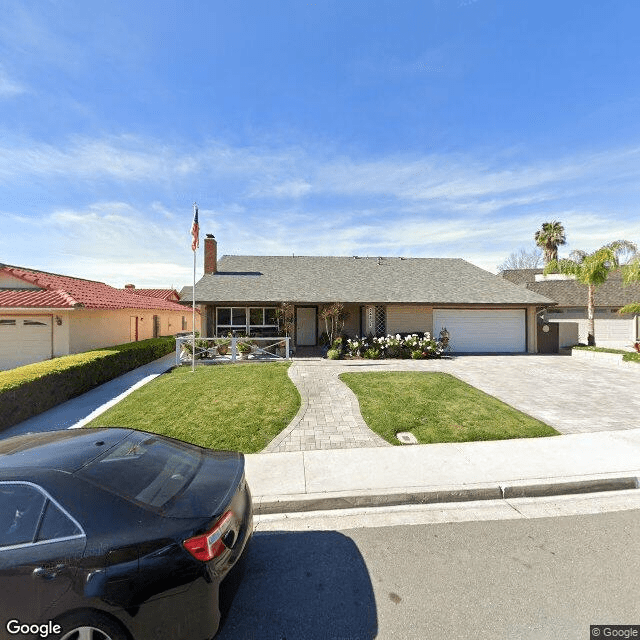
24531 Vanessa Drive, Mission Viejo, CA 92691
For more information about senior living options: (866) 208-4318
Precious Home Care II Costs & Pricing
Precious Home Care II offers competitive pricing for its services compared to the broader market in Orange County and California. For semi-private accommodations, residents can expect to pay $2,800 per month, which is significantly lower than the county average of $3,431 and the state average of $3,333. Similarly, for private rooms, Precious Home Care II charges $3,500, while the costs in Orange County and California hover around $4,104 and $3,939 respectively. This pricing structure not only reflects a commitment to affordability but also positions Precious Home Care II as an attractive option for families seeking quality care without the financial strain often associated with such services.
| Floor plans | Precious Home Care II | Orange County | California |
|---|---|---|---|
| Semi-Private | $2,800 | $3,431 | $3,333 |
| Private | $3,500 | $4,104 | $3,939 |
Assisted Living communities with a similar price nearby
-
About the same
Leah Loving Elderly Care
$2,800 to $3,000 / month16.7 miles away -
from -$100 / mo
Loving Care Senior Home
$2,700 to $3,500 / month17.2 miles away -
from +$200 / mo
Tabi's Facility Home Care
$3,000 to $3,500 / month24.1 miles away -
from +$200 / mo
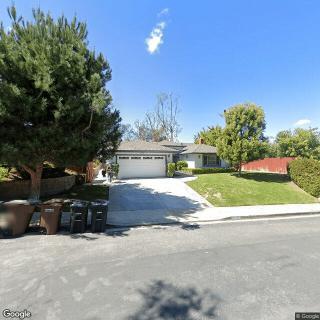
Seasons At Laguna - 2
$3,000 / month4.4 miles away -
from +$200 / mo
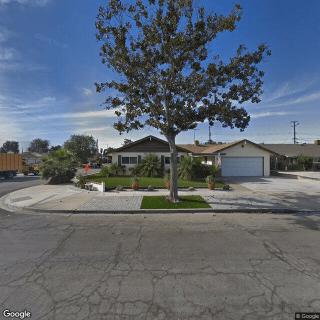
Kozy Quarters 4 Seniors
$3,000 to $3,500 / month19.8 miles away
Overall Review of Precious Home Care II
Pros
 The staff are friendly, welcoming, and attentive to details.
- The facility is spotless and passes the white glove test.
- Meals are freshly prepared each day.
- Residents and staff feel like family.
- Grace and her family provide competent, caring caregivers.
- The place earns an A++ grade.
Cons
 None detected.
Review
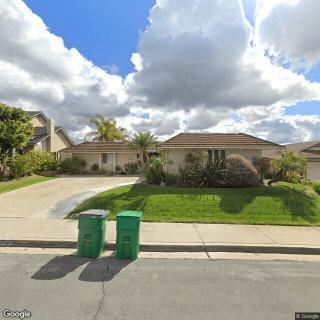
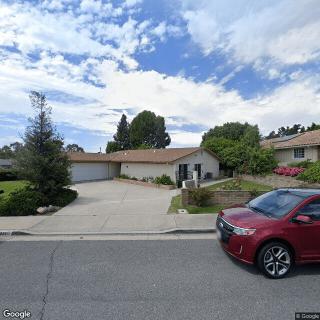
Precious Home Care II in Mission Viejo is best suited for families seeking a small, home‑like setting for an exceptionally elderly relative who prioritizes a spotless environment, freshly prepared meals, and a warm, consistently attentive staff. The leading case in point is a 93‑year‑old mother whose family wanted the highest standard of daily care paired with genuine warmth. From the family’s perspective, the home operates as a true extension of family life: staff members are described as friendly, welcoming, and flexible, with a capacity to attend to the unique details that matter at the end of life or late‑stage aging. In short, this community is built around a level of personalized care that feels less institutional and more like a private residence with professional oversight.
Those needing robust clinical oversight or memory‑care specialization should consider alternatives. The review does not present a hospital‑level nursing presence or dedicated memory‑care programming, nor does it outline a wide activity calendar or structured medical protocols. Families facing higher acuity needs, frequent physician involvement, or strict regulatory requirements may want to compare options that provide on‑site 24/7 nursing, more extensive emergency response resources, or targeted cognitive‑health support. Cost and room sampling are not addressed in the narrative, but these are practical levers that often distinguish one home‑like setting from another when medical complexity rises.
Among the standout positives are a spotless facility and meticulous housekeeping, which address common concerns about cleanliness and safety. The meals are described as freshly prepared each day, contributing to nutritional quality and resident satisfaction, while staff are not merely courteous but genuinely engaged, flexible in scheduling, attentive to details, and welcoming to visits from family. The sense that residents and staff become family creates predictable social warmth, reduces relocation stress, and supports consistent routines. The leadership by Grace and her caregivers appears to translate into a cohesive culture, reinforced by a grade of A++ and a lack of complaints in the testimonial.
These strengths work in harmony with one another to offset typical relocation hesitations. A home‑like environment tends to ease the emotional burden of senior transitions, and the stated flexibility can accommodate fluctuating health needs or family plans. The repeated emphasis on family‑style interaction, visiting families treated as partners in care, helps ensure ongoing communication and personalized adjustments to care plans. Even in the absence of external corroboration, the depth of warmth and the cleanliness standards described create a credible baseline for reliable daily life in this setting.
For families evaluating Precious Home Care II, practical next steps should center on direct observation and detailed questions. Tour the facility with a checklist that includes daily schedules, meal routines, and caregiver assignments; inquire about how care plans are developed and updated, medication management, and emergency response procedures; and ask to speak with current residents or families about their day‑to‑day experiences. Clarify pricing, lease terms, and what flexibility exists if care needs intensify or ease over time. The intent is to confirm that the story of warmth, cleanliness, and personal attention translates into measurable, predictable daily life for the prospective resident.
When warmth, cleanliness, and a family‑like care model are the top priorities in Mission Viejo, Precious Home Care II stands out as a practical, credible option. It is especially well suited for seniors who thrive on personal attention and who appreciate a nurturing, home‑style setting over a more impersonal facility experience. Those with tighter medical requirements, memory‑care needs, or budget constraints should approach with a plan to compare other communities that foreground clinical resources or lower cost structures. A scheduled visit, candid cost discussions, and references will help families determine whether this is the right home for their loved one or whether another path better aligns with medical needs and long‑term goals.
 6 resident community capacity
 Assisted Living
 Board and Care Home
 Cable or satellite TV
 Dining room
 Fully furnished
 Garden
 Housekeeping services
 Move-in coordination
 Outdoor space
 Private
 Respite or short term stays offered
 Telephone
 Wi-Fi/high-speed internet available
 John Wayne Orange Co (12 miles away)
 24-hour supervision
 Activities of daily living assistance
 Ambulatory care
 Assistance with bathing
 Assistance with dressing
 Assistance with transfers
 Diabetes diet
 Diabetic care
 Incontinence care
 Meal preparation and service
 Medication management
 Special dietary restrictions
 Transportation arrangement (medical)
 Transportation to doctors appointments
 Exploring the Contrasts Between Assisted Living and Skilled Nursing
 8 Key Indicators That Suggest It May Be Time to Transition from Assisted Living to Skilled Nursing Care
 Vibrant Senior Living: A Comprehensive Guide for Active Older Adults