
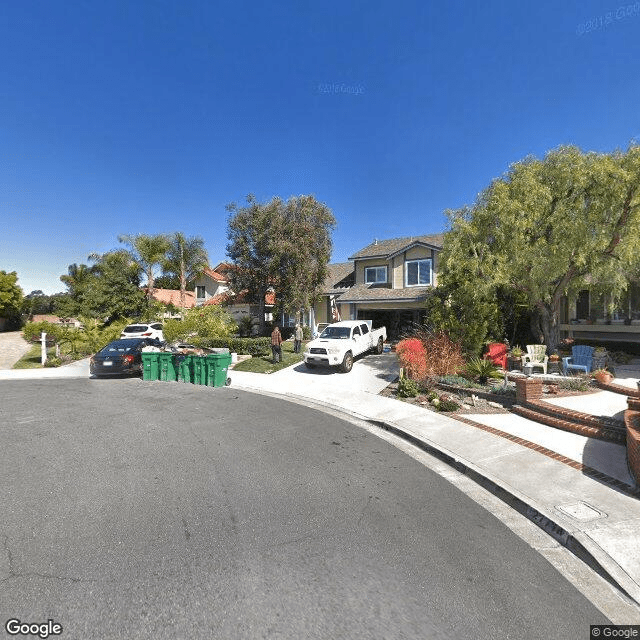
27778 Bahamonde, Mission Viejo, CA 92692
For more information about senior living options: (866) 208-4318

Golden Hearts Elderly Care Costs & Pricing
Golden Hearts Elderly Care offers competitive pricing for its services, particularly when compared to the broader market in Orange County and California. For semi-private rooms, residents at Golden Hearts will incur a monthly cost of $3,500, which is slightly higher than the county average of $3,431 but remains above the statewide average of $3,333. When it comes to private rooms, Golden Hearts charges $4,500 per month. This rate surpasses both the Orange County average of $4,104 and the state average of $3,939. These figures reflect Golden Hearts' commitment to providing quality care tailored to individual needs while remaining responsive to regional pricing trends in elderly care facilities.
| Floor plans | Golden Hearts Elderly Care | Orange County | California |
|---|---|---|---|
| Semi-Private | $3,500 | $3,431 | $3,333 |
| Private | $4,500 | $4,104 | $3,939 |
Assisted Living communities with a similar price nearby
-
About the same
Loving Home Care
$3,500 to $4,500 / month23.8 miles away -
About the same

Sam's Homecare
$3,500 to $5,500 / month23.4 miles away -
About the same
Golden Life Manor
$3,500 to $4,000 / month22.0 miles away -
from -$500 / mo
Seasons At Laguna - 2
$3,000 / month4.0 miles away -
from -$500 / mo
Kozy Quarters 4 Seniors
$3,000 to $3,500 / month22.1 miles away
Overall Review of Golden Hearts Elderly Care
Pros
 The staff provide attentive care, delicious food, and love to residents.
- The staff are excellent and among the best the reviewer has seen, with great attitudes toward residents.
- The meals are nutritious, healthy, and well cooked.
- The staff are very responsive, and the owner is especially attentive to questions or concerns.
- Meals are delicious, home-cooked, and feature fresh fruit juices.
- The administrator/owner promptly informs families when issues arise, and families feel fortunate to have found the place.
Review
Golden Hearts Elderly Care in Mission Viejo is best suited for families seeking a warm, intimate, home-like environment where residents receive consistent, hands-on attention from a tightly knit caregiving team. This community shines when the priority is daily companionship, nutritious, home-cooked meals, and the reassurance that staff know the resident’s preferences and routines. It is especially well-matched for seniors who do not require aggressive medical oversight or a large campus atmosphere, and for families that value transparent, ongoing communication from the administrator-owner.
Those needing robust medical support, complex memory-care programming, or a full calendar of on-site therapies may want to explore alternatives. The reviews highlight personal warmth and responsiveness, but they do not depict a facility with extensive on-site clinical resources or a wide array of specialized services. Families should plan to assess whether the setting can accommodate evolving medical needs, therapy referrals, and potential changes in care level without moving the resident.
From the resident experience perspective, the strongest pro is the level of care delivered with genuine affection. The staff are described as attentive and responsive, with the owner/administrator directly engaging with families and addressing questions promptly. Meals are repeatedly praised as delicious, nutritious, and home-cooked, with reviewers noting fresh juices and thoughtful cooking. That combination, the tenderness of the caregivers, the reliability of communication, and the comforting, restaurant-quality meals, creates a daily quality of life that feels personal and secure.
Actual cons are less visible in the reviews, which makes the boutique model a potential blind spot for some families. A smaller, family-run setting may have limited capacity for rapid staffing changes, fewer on-site amenities, and less formal medical oversight than larger facilities. The absence of mentions of memory-care specialization, rehab programs, or extensive activity programming should prompt careful verification for those with high medical or engagement needs. However, the lack of red flags in the narratives suggests these gaps, if they exist, are not impairing most residents.
Yet the undeniable strengths of Golden Hearts offset these potential gaps. The intimate environment enables close daily supervision and predictable routines, while the owner’s hands-on involvement translates into timely issue resolution and sustained trust. The longevity of a resident’s stay, months turning into years, and the repeated emphasis on happiness and comfort reinforce that this is not a place where care slips through the cracks. In other words, for families prioritizing relationship-driven care and a homey kitchen atmosphere, the pros materially outweigh the typical advantages of larger, more clinical settings.
In decision terms, Golden Hearts Elderly Care is the choice for families who place premium on warmth, continuity, and visible caregiver commitment. It is less suited for those whose priority is expansive medical resources, memory-care specialization, or a broad activity ecosystem. Pros to lean into include highly responsive communication, consistent staff attention, and menus that feel like home. To decide, tour the home with questions focused on staff-to-resident ratios, how care plans are updated, what medical support is available on-site or via external partners, and how emergencies are handled. With careful vetting, this community offers a compelling, practical home for a loved one who thrives on daily reassurance and heartfelt service.
 6 resident community capacity
 Assisted Living
 Board and Care Home
 Activities on-site
 Beautician on-site
 Cable or satellite TV
 Dining room
 Fully furnished
 Garden
 Housekeeping services
 Indoor common areas
 Move-in coordination
 Outdoor common areas
 Private
 Private bathrooms
 Respite or short term stays offered
 Telephone
 Wheelchair accessible showers
 Wi-Fi/high-speed internet available
 John Wayne Orange Co (14 miles away)
 24-hour supervision
 Ambulatory care
 Assistance with bathing
 Assistance with dressing
 Assistance with transfers
 Diabetes diet
 Diabetic care
 Incontinence care
 Meal preparation and service
 Medication management
 Special dietary restrictions
 Transportation arrangement (medical)
 Transportation to doctors appointments



 Assisted Living and Memory Care: Understanding Their Core Differences
 Beyond the Bingo Hall: 50+ Enriching Activities for Seniors in Assisted Living
 Understanding the Distinctions: Assisted Living and Memory Care Explained