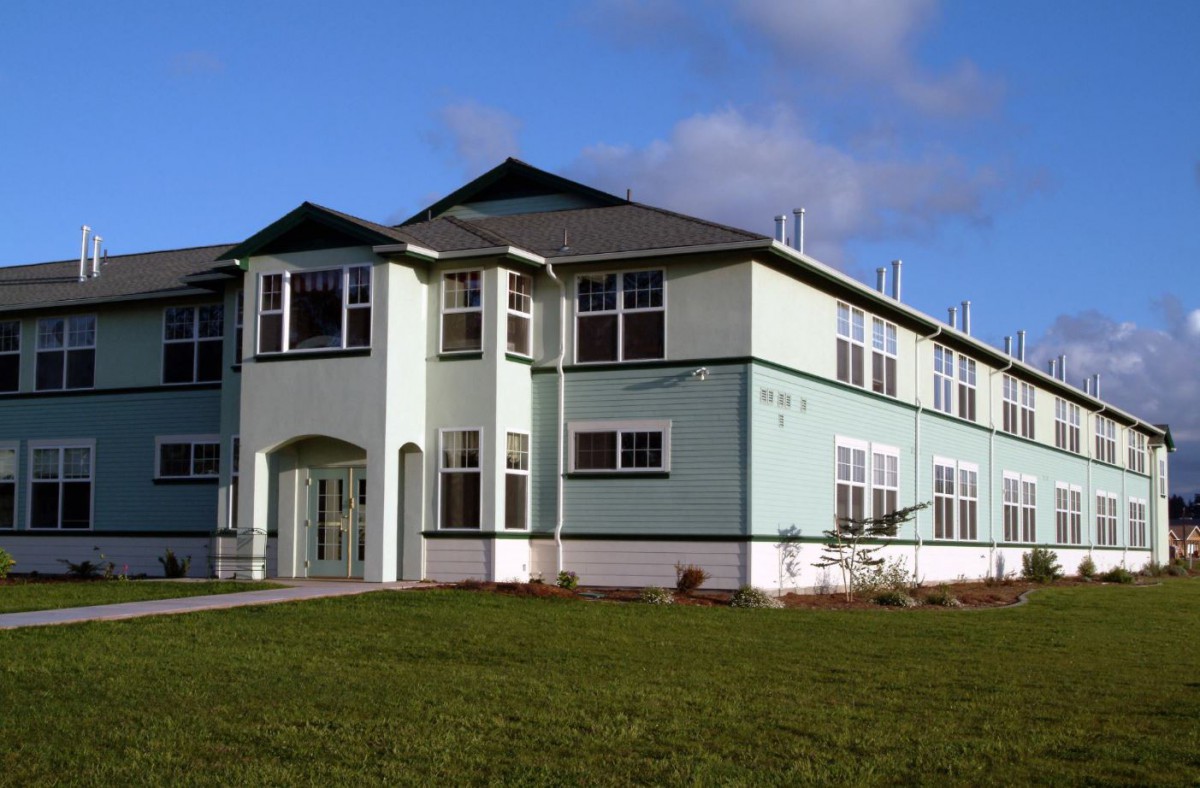
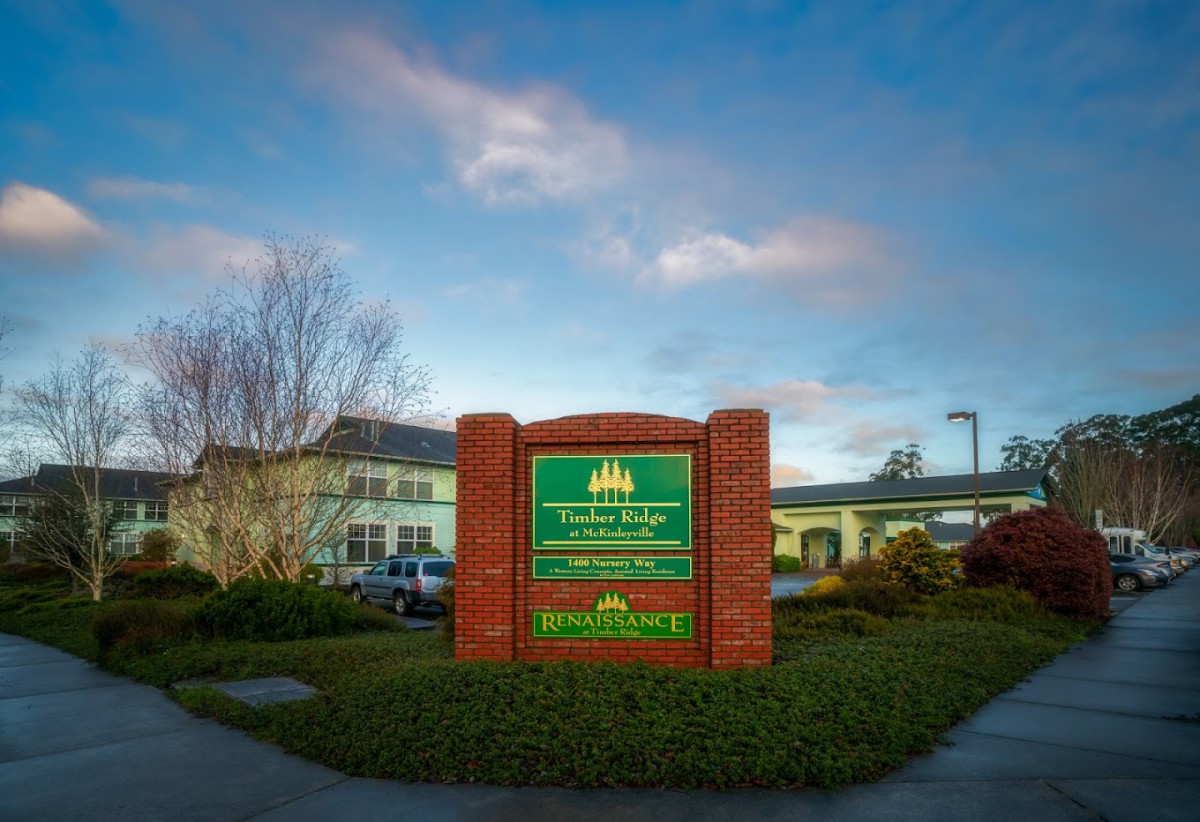
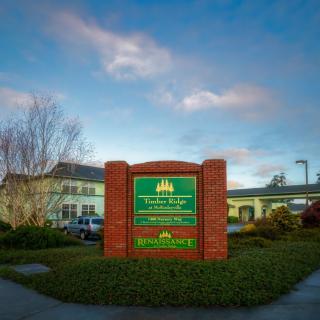

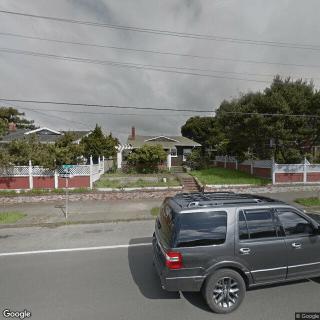
1400 Nursery Way, Mckinleyville, CA 95519
For more information about senior living options: (866) 208-4318
Timber Ridge At Mckinleyville Costs & Pricing
Timber Ridge at McKinleyville offers competitive pricing for its accommodations, catering to a range of budgets while maintaining high standards of care. For semi-private rooms, the monthly cost is $2,130, which is significantly lower than the Humboldt County average of $2,665 and well below the state average of $3,333. The facility's studio apartments are priced at $3,560, closely aligned with the local county average of $3,783 but still more economical compared to the state figure of $4,145. Additionally, their one-bedroom units are offered at $4,050 - slightly below both the Humboldt County rate of $4,176 and California's state average of $4,340. This pricing structure makes Timber Ridge an attractive option for those seeking quality senior living without compromising financial stability.
| Floor plans | Timber Ridge At Mckinleyville | Humboldt County | California |
|---|---|---|---|
| Semi-Private | $2,130 | $2,665 | $3,333 |
| Studio | $3,560 | $3,783 | $4,145 |
| 1 Bedroom | $4,050 | $4,176 | $4,340 |
Memory care communities with a similar price nearby
-
from +$120 / mo
Sequoia Springs Senior Living Community
$2,250 to $4,495 / month24.7 miles away -
from +$370 / mo

Redwood R and R
$2,500 to $4,000 / month11.3 miles away
Overall Review of Timber Ridge At Mckinleyville
Pros
 Timber Ridge is regarded as the best option on the north coast for memory care.
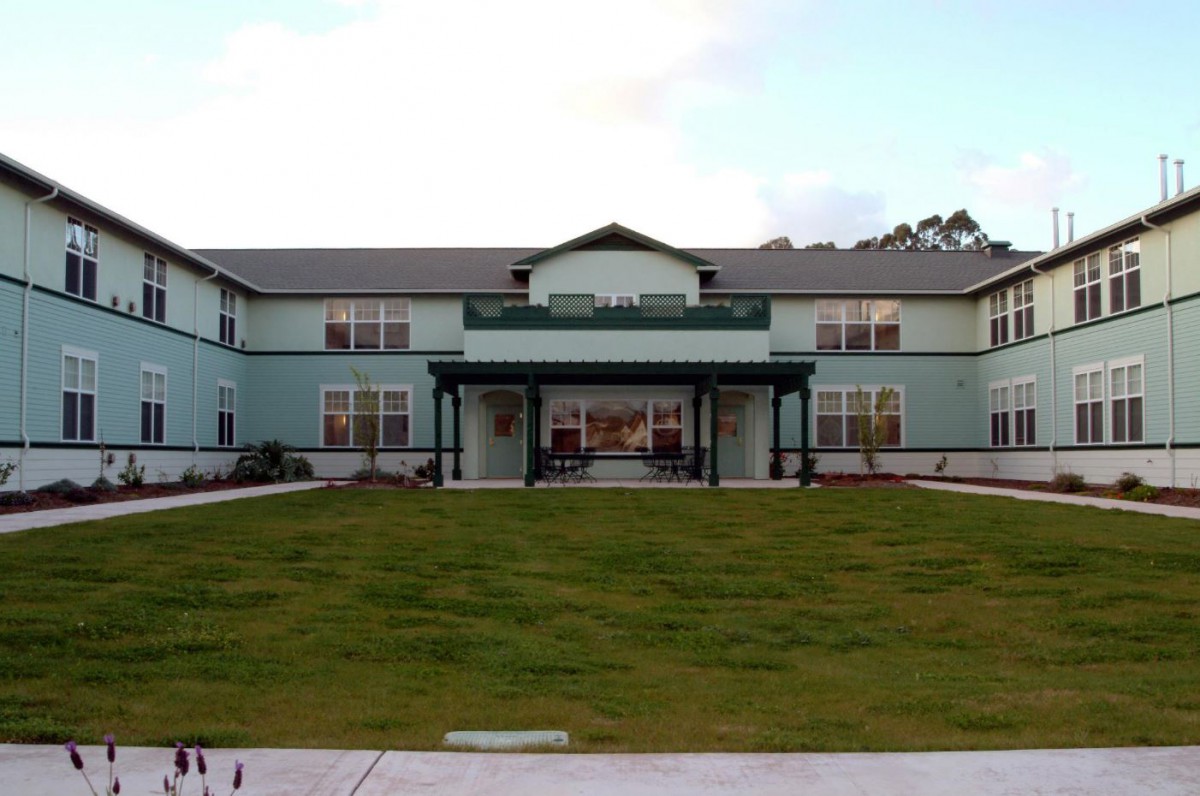
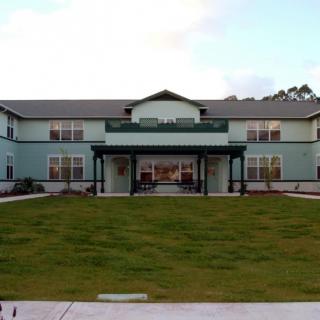
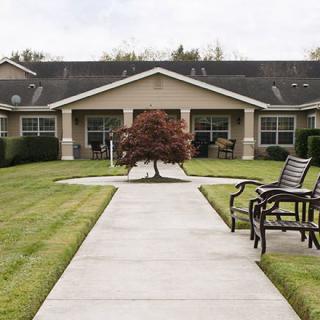
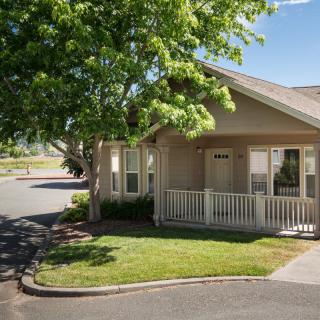
- The facility has beautiful grounds and offers residents a great view from their windows.
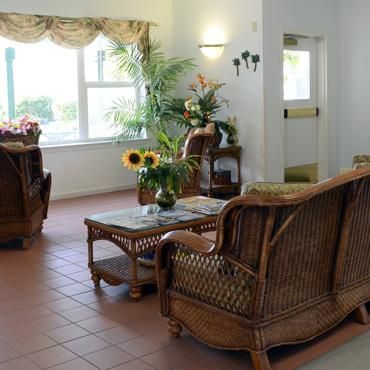
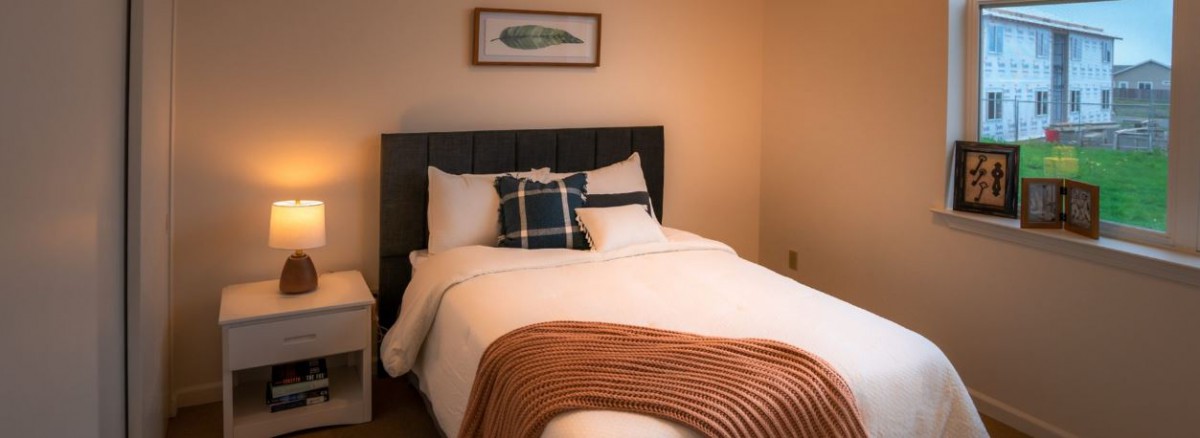
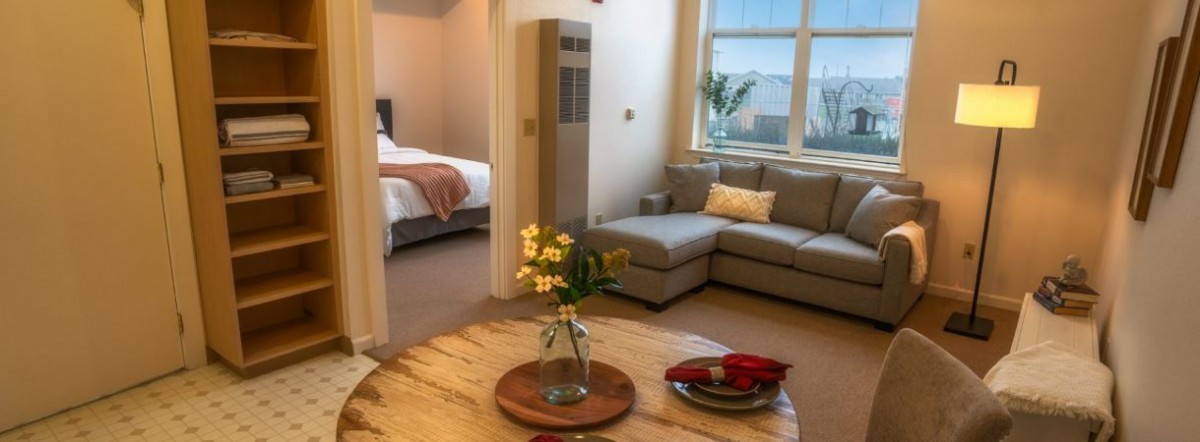
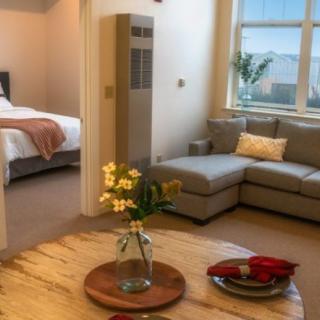
- The rooms at Timber Ridge are lovely and well maintained.
- The hospice team at Timber Ridge is attentive and addresses issues quickly and efficiently.
- Timber Ridge comes highly recommended without hesitation.
- The staff at Timber Ridge are professional and show care, kindness, and evident patience toward all residents.
- Timber Ridge is a nice, clean, and friendly place with excellent cleanliness.
Cons
 The workers have no credentials.
- A homeless person could apply there and take care of the elderly.
- There is no federal background check, drug test, or requirements.
- The facility frequently loses residents' clothes and belongings.
- Staff did not notice the resident's stroke for two days, leading to death.
- The facility lost the resident's cane and a diamond wedding ring.
- There were times when residents were not changed for long periods, causing a rash and yeast infections.
- Appearances can be deceiving; looks can be deceiving.
Review
Timber Ridge At McKinleyville is best suited for families seeking a memory-care–focused option on California’s North Coast, where the landscape favors a steady routine, calm surroundings, and structured day-to-day care. It works well for residents who prioritize a pleasant environment, accessible hospice involvement when needed, and a memory-care setting that feels organized and predictable. Those who require ironclad credentialing, stringent background checks, and watertight safety oversight will want to consider alternatives.
On the positive side, the strongest draws center on memory-care orientation and visible professionalism among staff. Families repeatedly note attentive, compassionate care from caregivers and a patient, steady demeanor that soothes residents. Hospice teams associated with the facility are praised for being attentive and responsive, stepping in quickly to address issues. The physical setting, well-kept grounds and nicely maintained rooms, adds a layer of comfort, while cleanliness contributes to a sense of dignity and stability for residents and peace of mind for families.
Yet the most consequential concerns revolve around safety and oversight. Reviews allege that staff credentials are insufficient or inadequately verified, with accusations that no federal background checks or formal CNA qualifications are consistently required. Personal belongings complicate trust: losses of clothes, a grandmother’s cane, and a diamond ring reportedly occurred, and there are accounts of delays in recognizing serious health changes, culminating in a stroke and a subsequent death. The combination of perceived oversight gaps and tangible losses creates a risk profile that cannot be dismissed.
These strengths offset risk to a degree when memory care is the primary objective and when the facility demonstrates consistent problem-solving, evidenced by responsive hospice care and proactive care in ongoing issues. A well-run memory-care unit with genuine compassion can deliver meaningful stability even amid administrative gaps; however, that depends on rigorous safeguards being in place. Families should press for clarity: demand verification of staff qualifications, regular progress updates, and access to incident logs; insist on a transparent plan for safeguarding personal belongings. While billing hiccups occurred, they were resolved, which suggests administrative processes can be improved with proper oversight.
Alternatives should be contemplated for families unwilling to tolerate credential and safety uncertainties. If airtight credentialing, detailed accountability, and robust safety protocols are non-negotiables, exploring other North Coast options with stronger oversight is prudent. For those who prize a pleasant setting and responsive, memory-care–oriented care, and are prepared to secure definitive assurances, the Timber Ridge option remains viable, provided rigorous safeguards are documented and enforced.
In the end, the decision hinges on risk tolerance and the diligence applied before formalizing care. A practical approach is to conduct thorough, repeated visits with a configurable checklist: review exact staffing qualifications, request the staffing ratios, examine the facility’s incident and loss logs, and obtain a written personal-property policy. Meet the care team assigned to the resident, and, if possible, arrange a short trial period to observe day-to-day operations. If these safeguards are in place and verifiable, Timber Ridge offers a solid, comfortable memory-care option on the North Coast. If not, it signals that stronger credentialing and tighter safety controls are essential, directing families toward alternatives that align more closely with essential peace of mind.
 108 resident community capacity
 Assisted Living
 Independent Living
 Memory Care
 Activities off-site
 Air-conditioning
 Beautician on-site
 Cable or satellite TV
 Computer center
 Devotional services off-site
 Dining room
 Fitness room
 Fully furnished
 Gaming room
 Garden
 Ground floor units
 Handicap accessible
 Housekeeping services
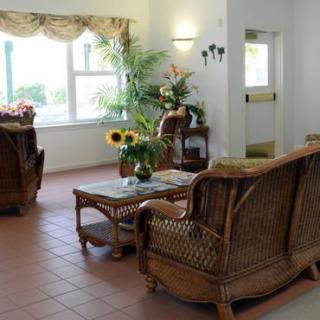
 Indoor common areas
 Kitchenette
 Move-in coordination
 Outdoor common areas
 Private bathrooms
 Respite or short term stays offered
 Restaurant-style dining
 Small library
 Swimming pool / hot tub
 Telephone
 Wellness center
 Wheelchair accessible showers
 Wi-Fi/high-speed internet available
 Arcata (3 miles away)
 Community operated transportation
 12-16 hour nursing
 24-hour call system
 Ambulatory care
 Assistance with bathing
 Assistance with dressing
 Assistance with transfers
 Diabetes diet
 Diabetic care
 Medication management
 Mental wellness program
 Special dietary restrictions
 Art classes
 Bible study group
 Concierge services
 Cooking classes
 Day trips and outings
 Happy hour
 Karaoke
 Live dance or theater performances
 Live musical performances
 Wine tasting

 Delving into the Inner World of Dementia: Insights into Thoughts and Awareness
 Five Subtle Dementia Indicators to Observe: An In-Depth Guide to Understanding “Does My Mom Have Dementia?”
 Dementia, Paranoia, and Caregiver Guidance: Understanding the Connection