

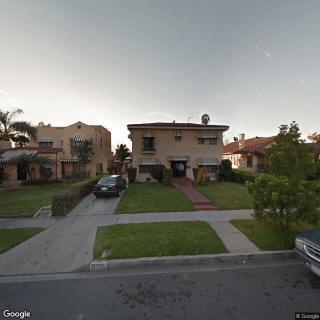
1727 Crenshaw Blvd, Los Angeles, CA 90019
To contact a resident: (323) 737-0705
For more information about senior living options: (866) 208-4318
Overall Review of Palace of Venice Board & Care
Pros
 Donny’s House is a premier sober living environment for men pursuing all aspects of life, equipped with essential sobriety tools.
 - It offers spacious, clean quarters, a diverse and committed fellowship, and what residents describe as the best management team in the Los Angeles market.
- Collin and Brooke are caring and genuine leaders who foster a supportive, real‑deal culture.
- The house provides a safe, welcoming atmosphere that helps residents stay sober and make meaningful life changes.
- The community supports each other and works to rebuild lives together, so people don’t have to face recovery alone.
- Residents often stay on track, save money, and can move into their own apartments as a result of the program.
Review
This community is best suited for men who are actively pursuing sobriety and want a structured, community-based path to rebuilding their lives. It functions as a sober living environment where accountability, fellowship, and practical support are the centerpiece. Residents benefit from a home-like atmosphere, clear expectations, and a management team that is consistently described as caring, responsive, and invested in individual progress. For men who prefer a tight-knit peer network and a framework that keeps daily routines and recovery tools front and center, this setting offers a proven path forward.
Those who may want to consider alternatives are clear: this is not a mixed-gender environment, and it does not appear to be a clinical or medical care facility. Individuals seeking female-only housing, more intensive on-site clinical services, or settings with broader therapeutic programming may need options that align more closely with those needs. Likewise, if privacy advantages, larger property amenities, or upscale accommodations are a priority, families should look at different housing models or facilities that emphasize higher-end amenities and a broader spectrum of care.
The strongest positives here are the consistent leadership and the palpable sense of belonging. A management team described as genuine, engaged, and readily available translates into dependable support for residents who are navigating the day-to-day challenges of early recovery. The house itself is portrayed as a safe, welcoming space where residents look out for one another, reinforcing accountability and mutual encouragement. This combination, strong oversight plus a community that truly bears one another up, appears to be the engine behind many of the reported breakthroughs in sobriety and personal stability.
Affordability is a meaningful differentiator in this setting. Residents report that the housing is affordable without sacrificing a sense of dignity or structure, enabling real financial relief alongside sobriety gains. The impact of this economically practical advantage is clear: users can allocate resources toward solidifying employment, housing, or further steps toward independent living. The testimonials consistently connect financial breathing room with the ability to save toward new apartments or independent arrangements, which strengthens the overall recovery arc and reduces relapse risk tied to financial stress.
A candid read of the feedback also reveals a few implicit trade-offs. The environment centers squarely on men pursuing sobriety, so households seeking diversity of gender or a broader, mixed milieu should pursue other options. The reviews do not reference high-end amenities or clinical depth, suggesting that the value lies more in community momentum, mentor-like leadership, and a stable routine than in resort-style comfort. These factors matter when evaluating fit: the strongest outcomes hinge on shared purpose and active peer support, not on concierge services or premium features.
For families weighing next steps, the verdict is clear. If recovery-focused structure, dependable leadership, and a low-cost pathway to new independence align with a loved one’s needs, this community offers a compelling match. Pros offset the potential downsides by delivering a proven, practical, and compassionate framework that translates to real-life gains, employment stability, personal accountability, restored finances, and, often, a moved-to-apartment milestone. If the goal is transitional housing that champions sobriety through community, this option deserves serious consideration; if the priorities include gender-diverse environments or higher levels of clinical care, alternatives should be pursued with deliberate comparison.
 Board and Care Home
 Los Angeles International (8 miles away)





 Understanding the Full Cost of 24/7 In-Home Care: A Detailed Overview
 Exploring the World of Home Health Nurses: Qualifications, Roles, and Hiring Tips
 Navigating Medicare Coverage for In-Home Care Services