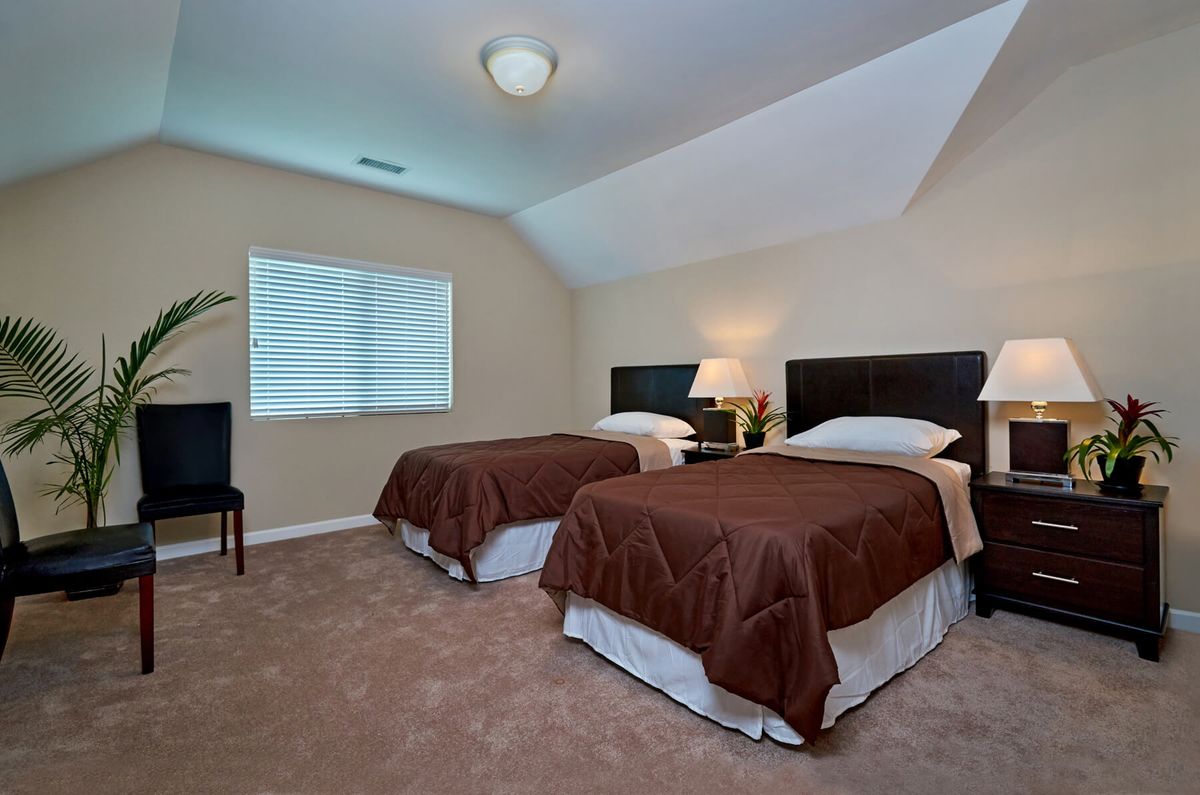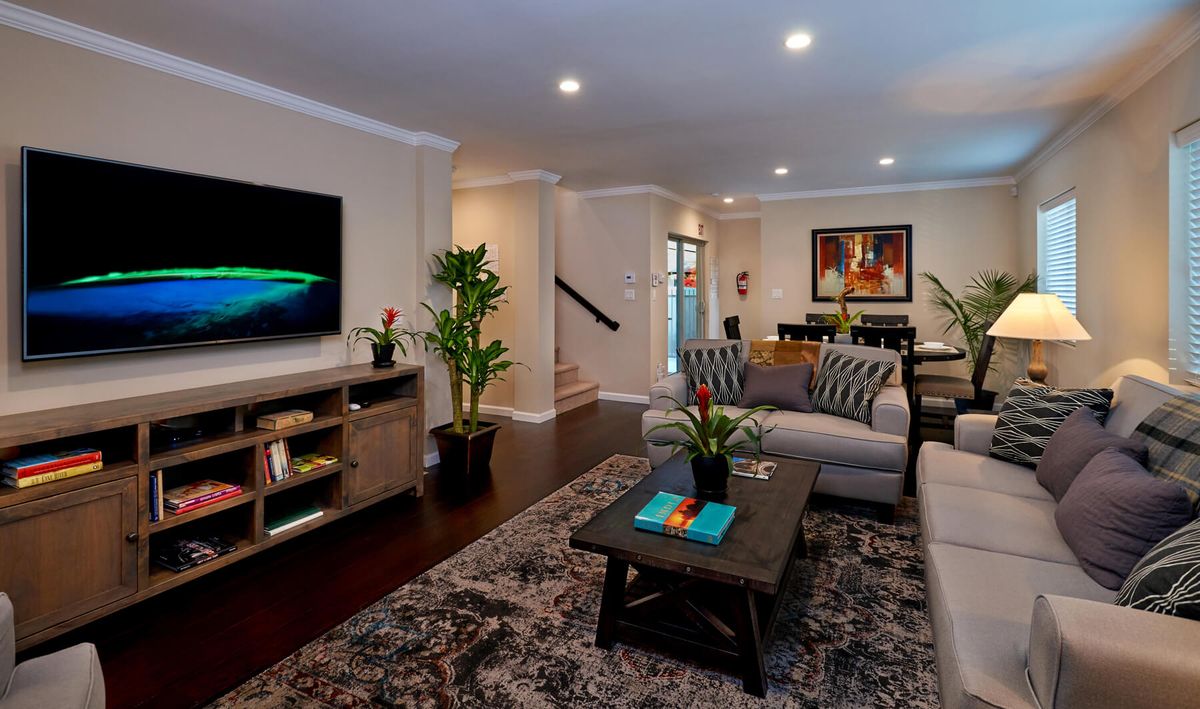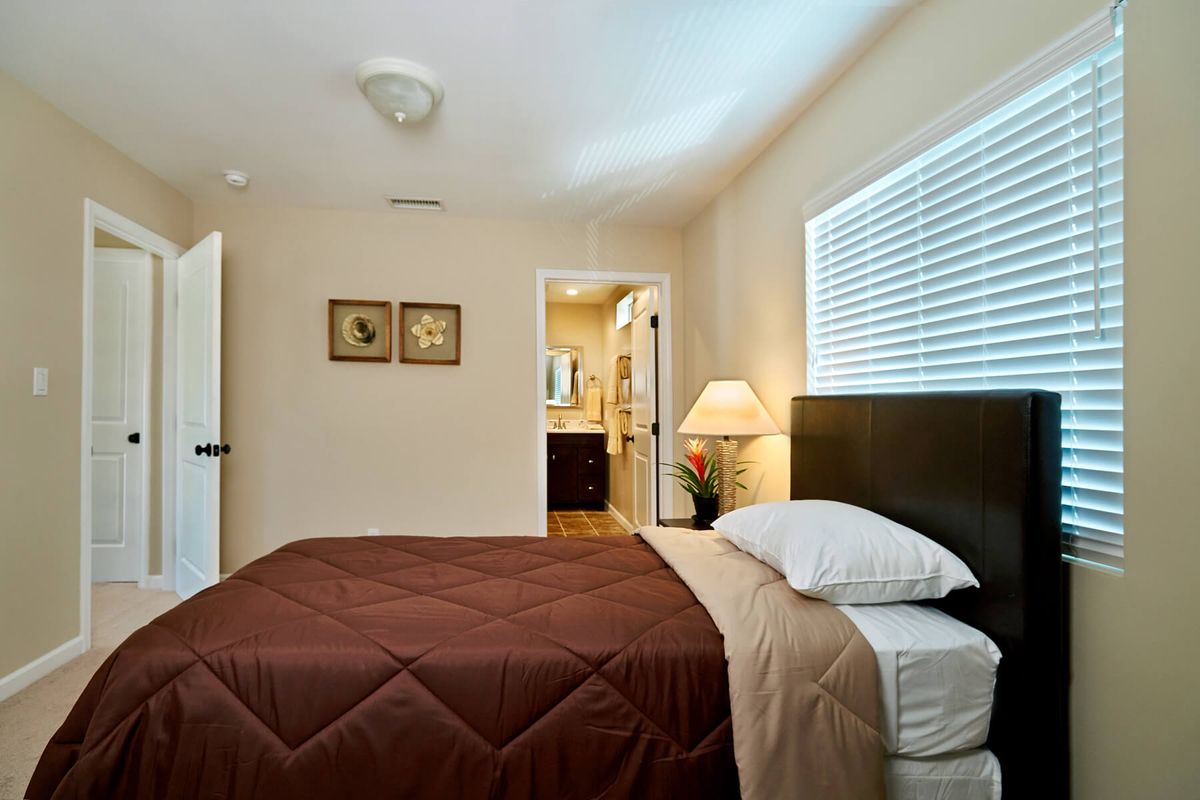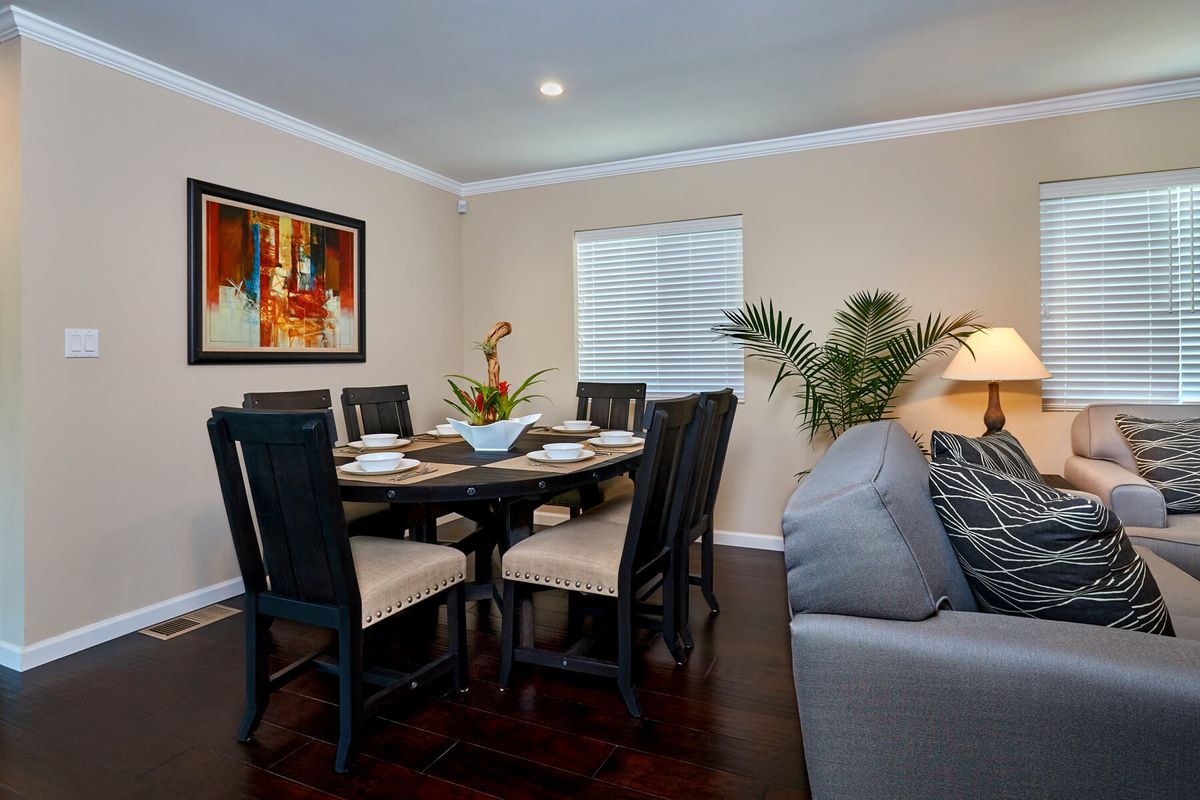
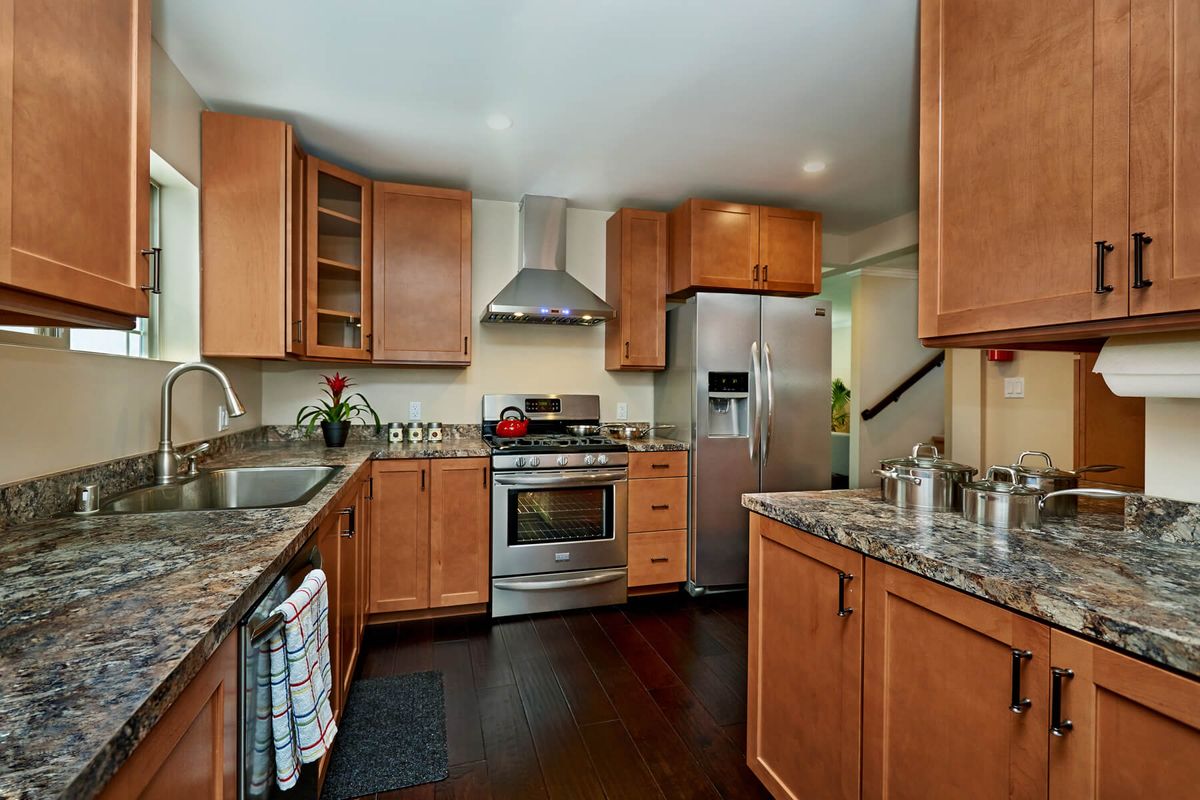
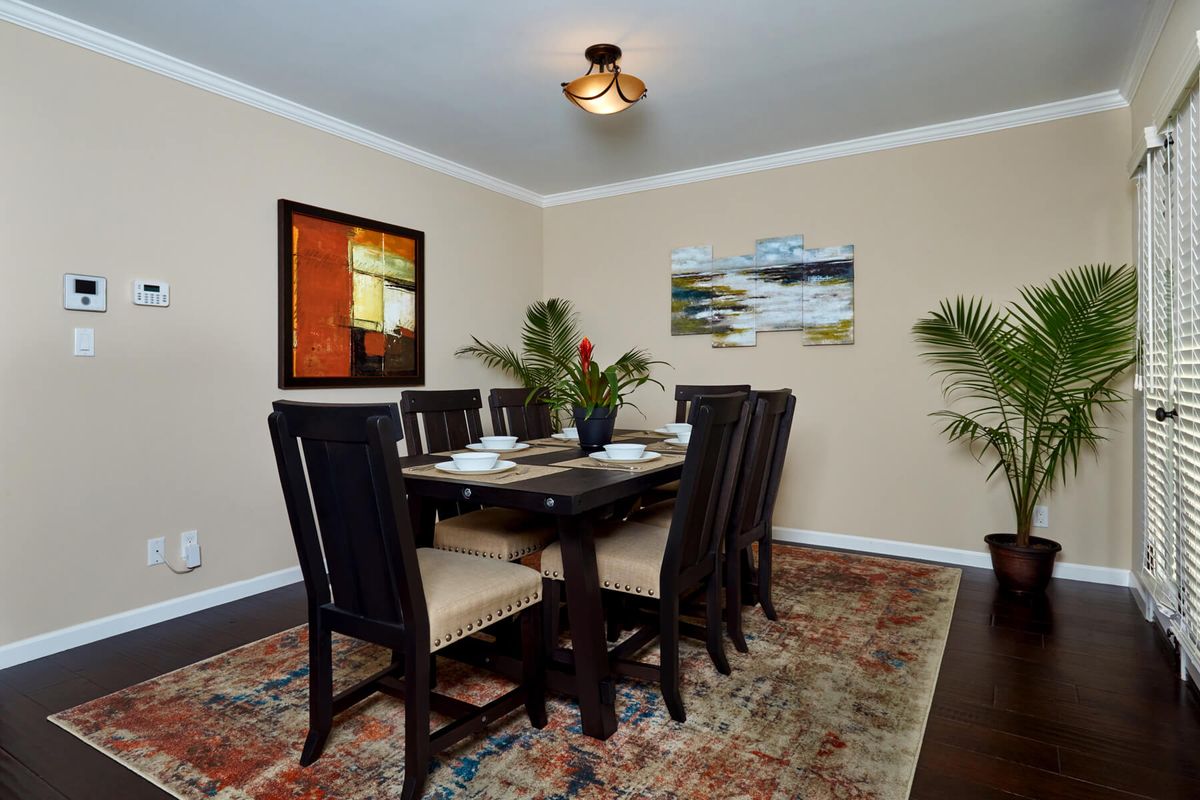
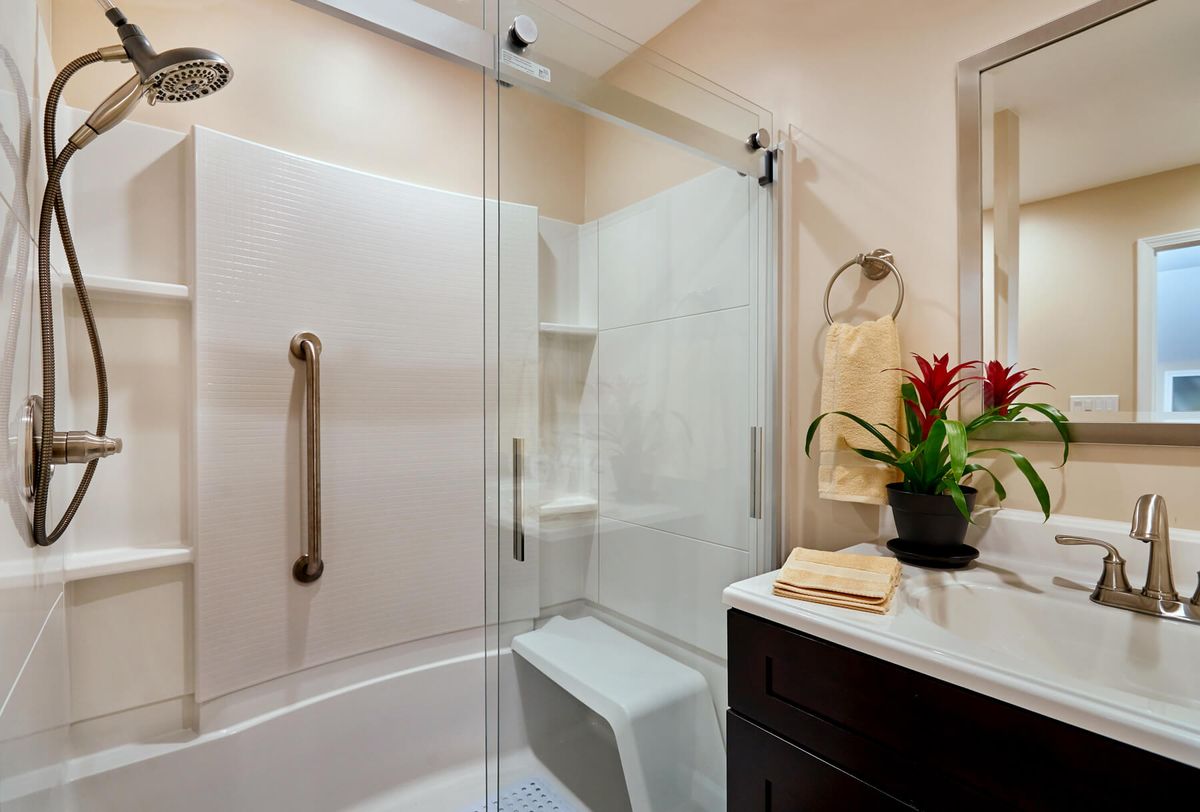
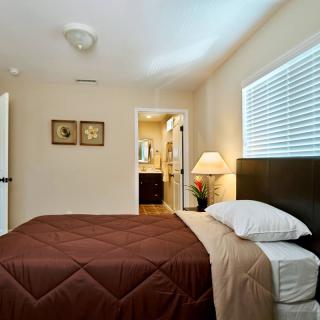
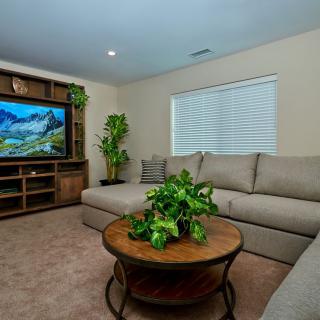

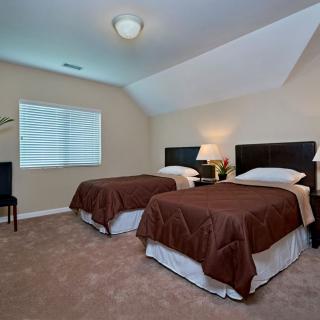
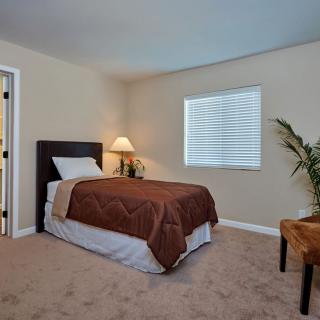

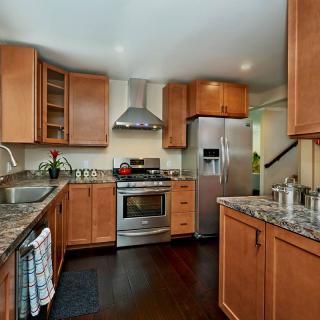

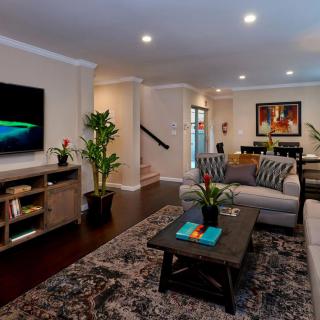

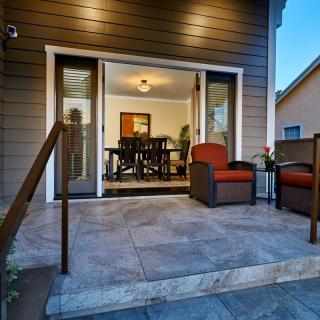
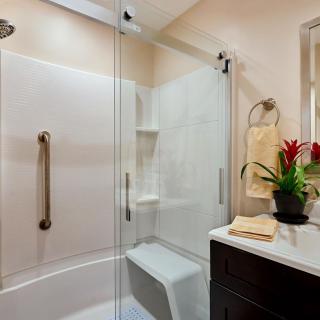
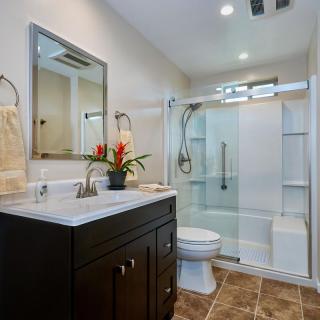
4626 Arlington Avenue, Los Angeles, CA 90043
For more information about senior living options: (866) 208-4318
Overall Review of Holistic Senior Care I
Pros
 The home is nice, quiet, and caring, and the mom likes it.
- The facility offers A+ services and is great for transitional care.
Cons
 None found in the provided reviews.
Review
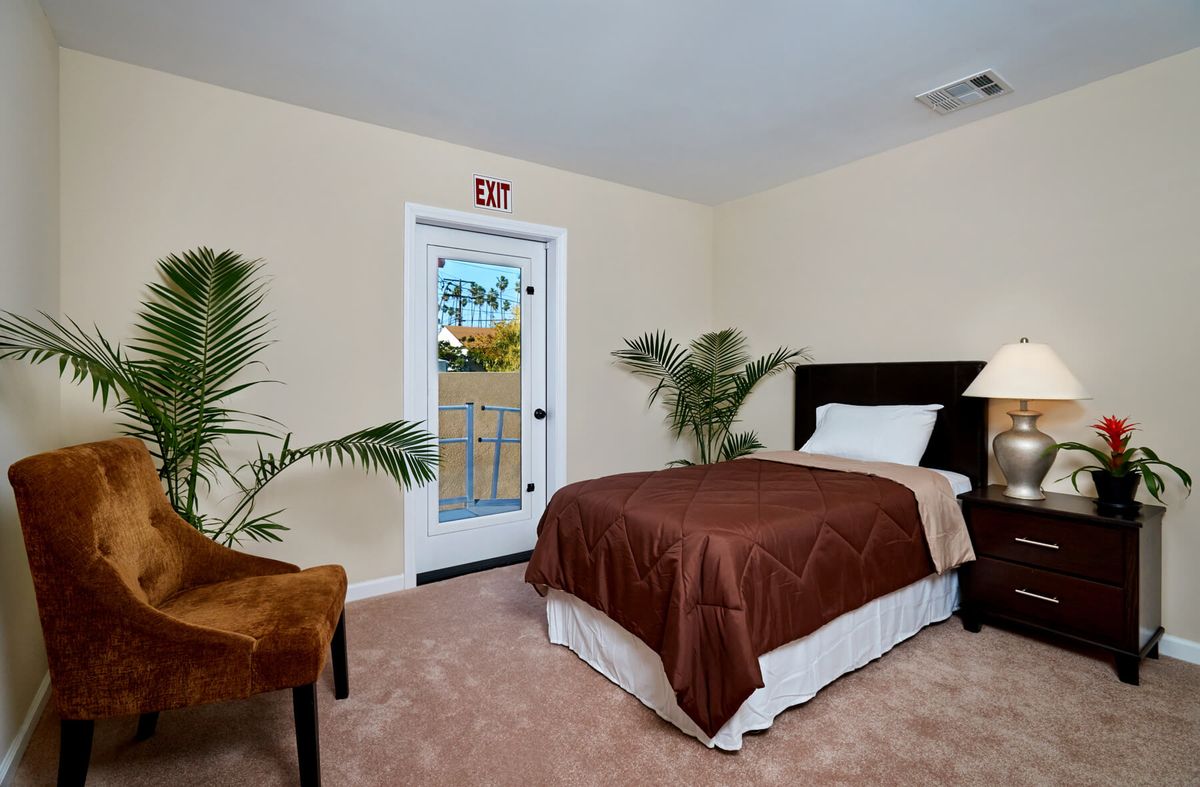
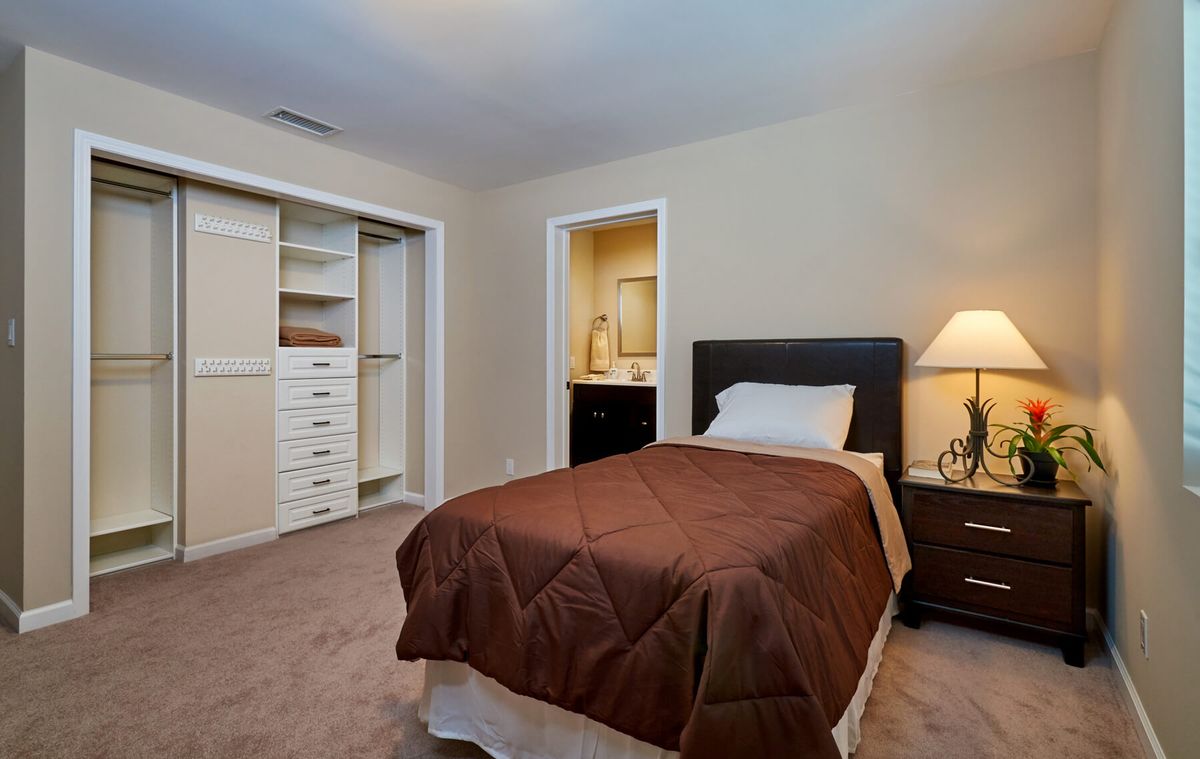
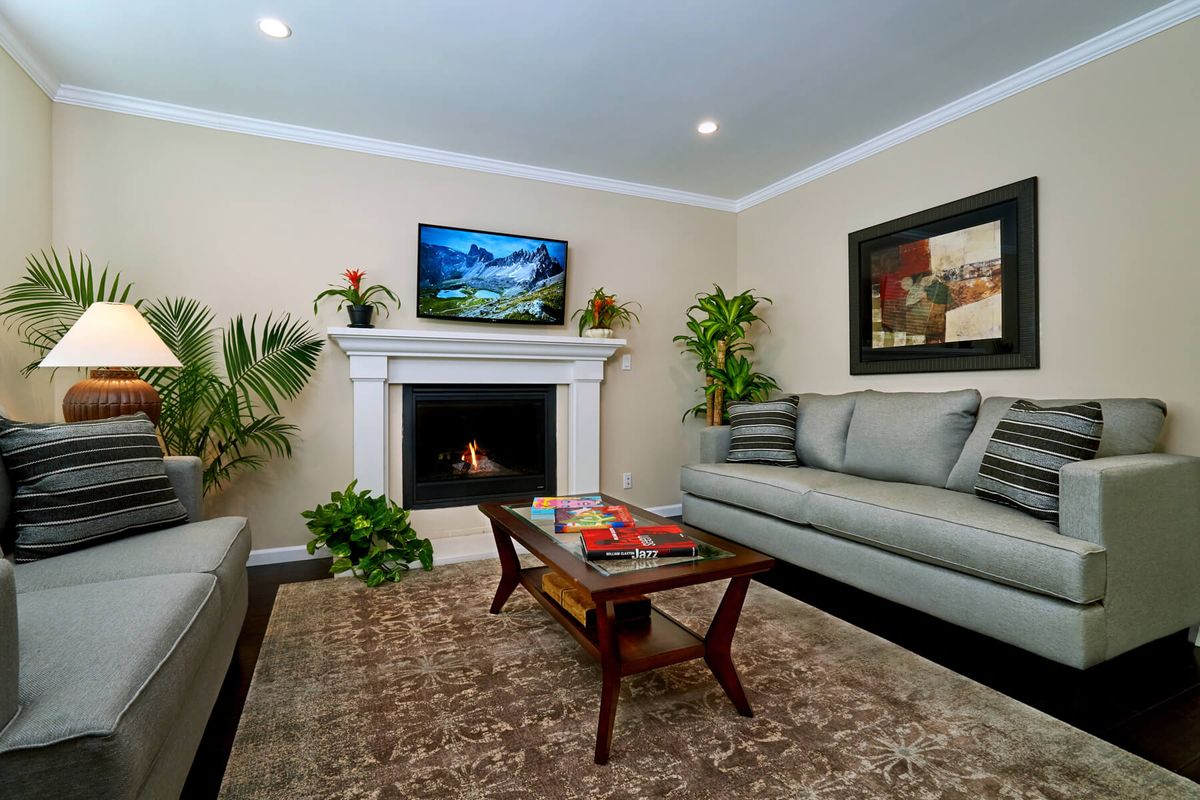
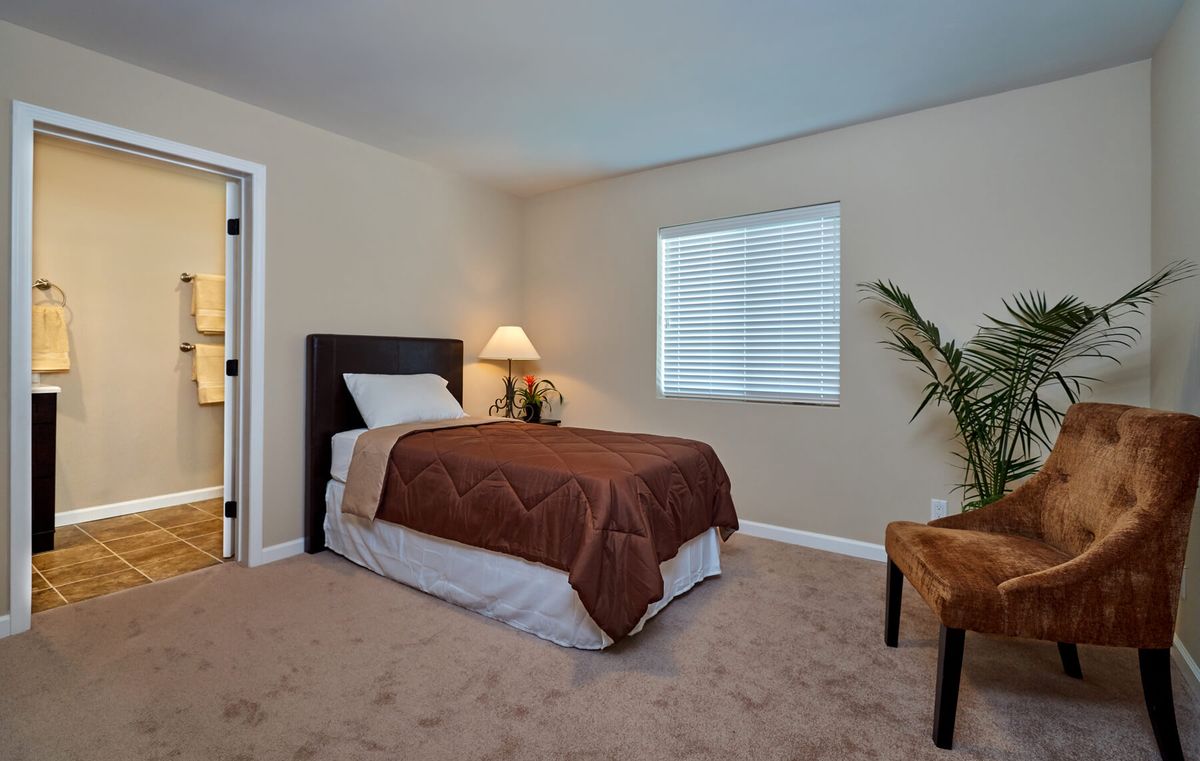
Holistic Senior Care I in Los Angeles is best suited for seniors who want a quiet, home-like living environment and value hands-on, personalized care. The setting suits families seeking a gentle transition from hospital or rehab, where caregivers are attentive and the atmosphere feels calm rather than clinical. Residents who prize meaningful one-on-one interactions with staff and a sense of belonging in a small, intimate community will likely find this option reassuring and approachable for long-term living as needs evolve.
That said, those with higher acuity needs or requirements for specialized memory-care security should consider alternatives. A compact, home-style model typically offers fewer on-site resources, fewer specialized units, and less 24/7 clinical scaffolding than larger campuses. If round-the-clock clinical supervision, extensive medical management, or a robust, dementia-focused program is non-negotiable, a community with broader medical capabilities and dedicated memory-care wings may be a wiser choice.
The strongest selling points center on the intimate, caregiver-rich environment. Reviews highlight “A+ services” and a calm, caring atmosphere, underscoring the ability for staff to deliver high-touch care in a way that larger facilities struggle to replicate. For transitional care, the advantage is tangible: the transition from hospital to a home-like setting can be smoother, with staff who can coordinate rehab plans, monitor progress closely, and adjust routines rapidly. In practice, this translates to fewer miscommunications and more consistent daily rhythms, which reduces anxiety for both residents and families.
These advantages do more than offer comfort; they help offset potential gaps inherent in smaller operations. When care teams know residents by name and can tailor activities and schedules to individual preferences, the risk of disorientation during care transitions diminishes. Families prioritizing predictable routines, a familiar environment, and responsive caregivers will perceive a meaningful balance between quality care and homelike living, and that balance can protect independence longer, even if the breadth of programming is narrower than at larger communities.
However, caution is warranted given the limited sample of experiences. With only two published reviews, the community’s performance may reflect particular staff dynamics or a moment in time rather than a universal pattern. Prospective residents should probe specifics: daily staffing ratios, weekend coverage, menu flexibility, the availability of rehabilitation therapies on site, and how visits from family are integrated into the routine. A firsthand visit or short-term stay is essential to verify whether the sentiment of comfort and top-tier service translates into sustained satisfaction.
In practical terms, families weighing options should organize a targeted tour focused on caregiving philosophy, staffing stability, and transitional-care capabilities. Request a concrete day-in-the-life schedule, sample meals, and a clear outline of how care plans are developed and updated. If the priority is quiet dignity, personal attention, and a home-like pace that supports a smoother transition during rehab or recovery, Holistic Senior Care I presents a compelling, well-suited choice. If the need centers on expansive clinical resources, formal memory-care security, or a richer social calendar, it makes sense to explore alternatives that offer broader medical oversight and larger-scale programming.
 6 resident community capacity
 Assisted Living
 Board and Care Home
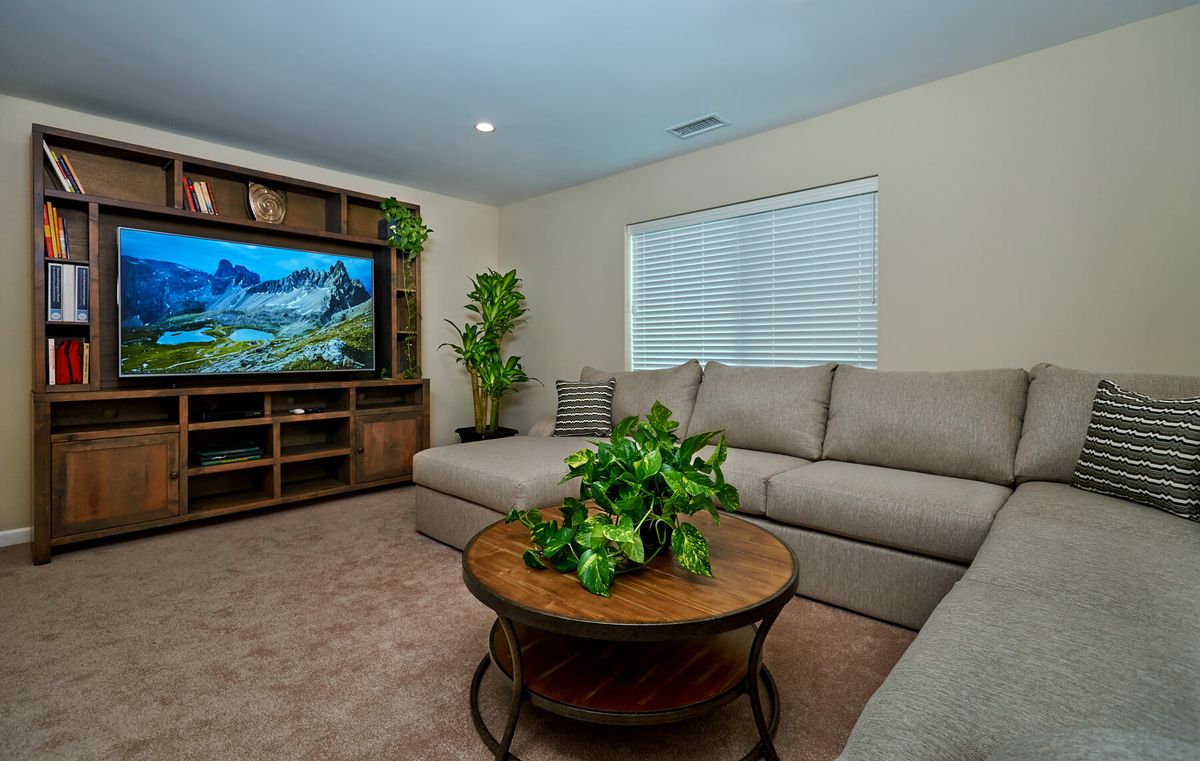
 Cable or satellite TV
 Dining room
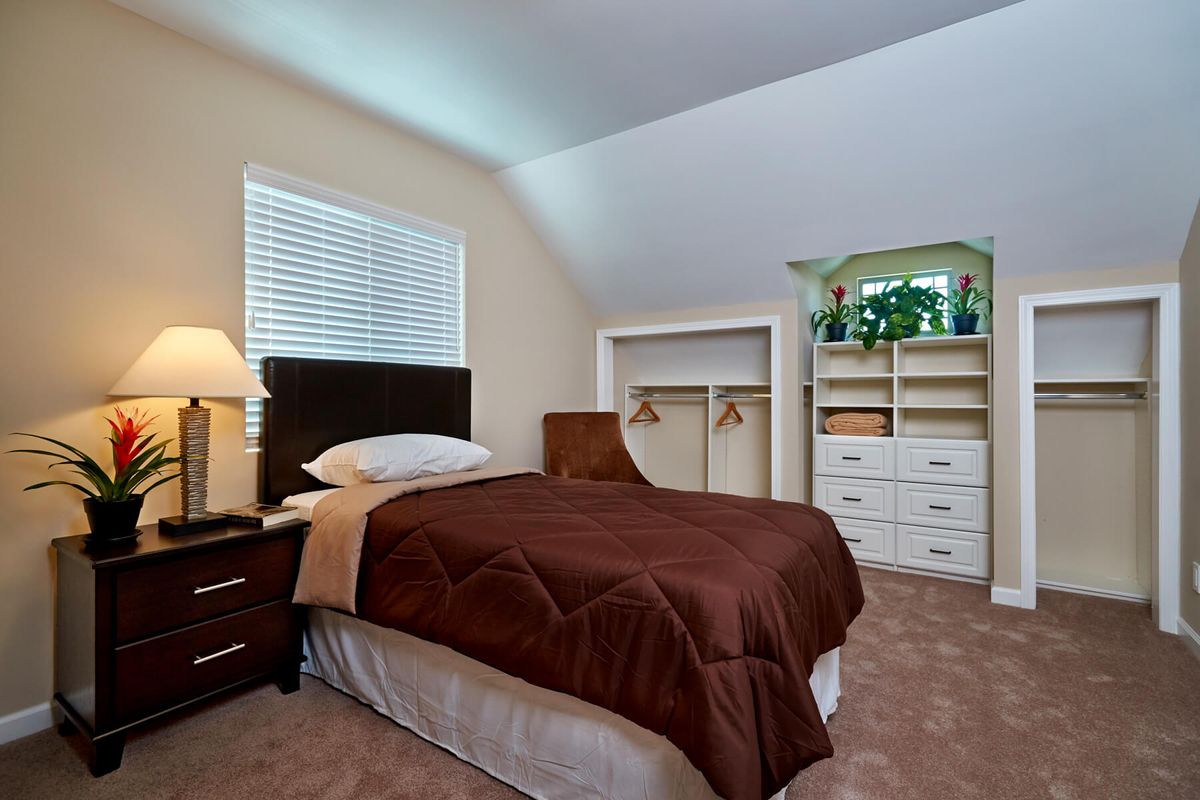
 Fully furnished
 Garden
 Housekeeping services
 Move-in coordination
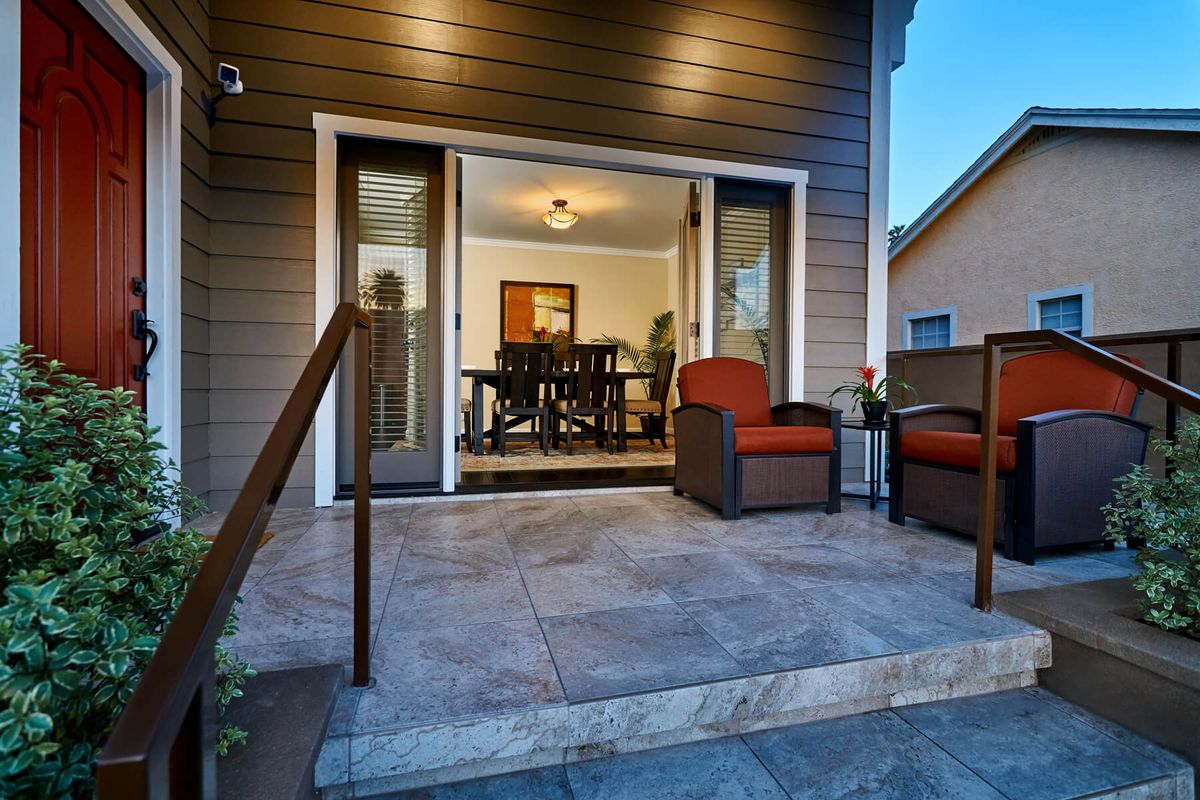
 Outdoor space
 Telephone
 Wi-Fi/high-speed internet available
 Los Angeles International (7 miles away)
 24-hour supervision
 Activities of daily living assistance
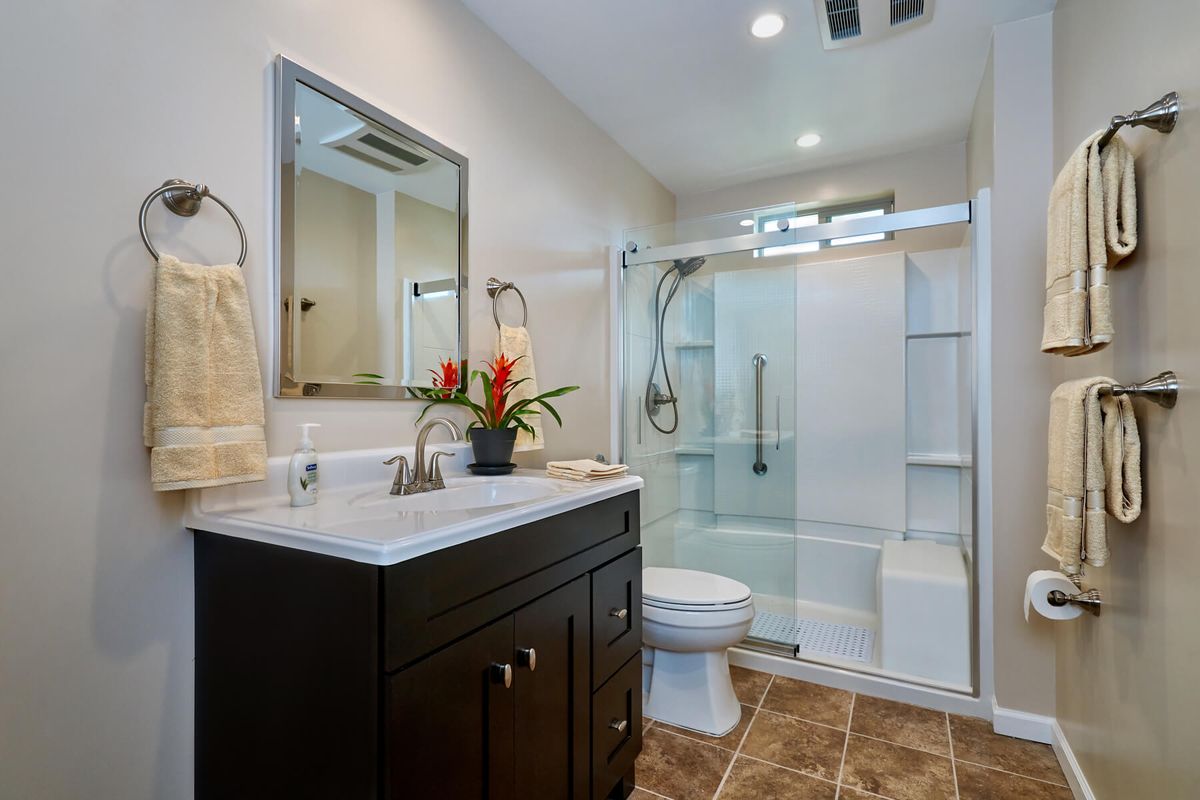
 Assistance with bathing
 Assistance with dressing
 Assistance with transfers
 Diabetes diet
 Meal preparation and service
 Medication management
 Special dietary restrictions
 Transportation arrangement (medical)
 Transportation to doctors appointments



 Beyond the Bingo Hall: 50+ Enriching Activities for Seniors in Assisted Living
 Understanding the Distinctions: Assisted Living and Memory Care Explained
 Guiding Elderly Parents Who Refuse Assisted Living: 6 Practical Steps