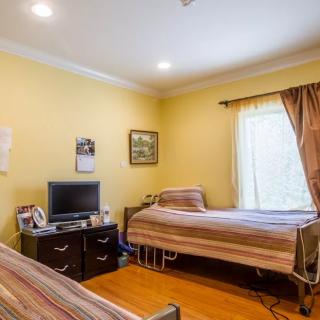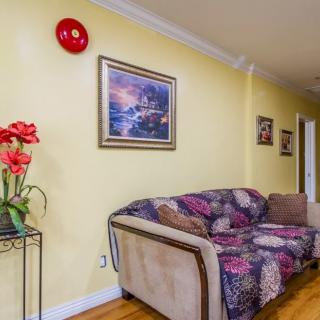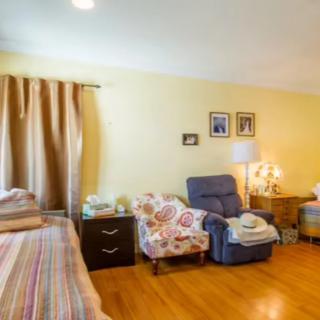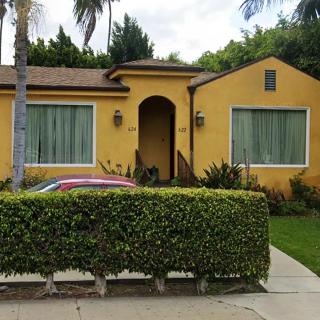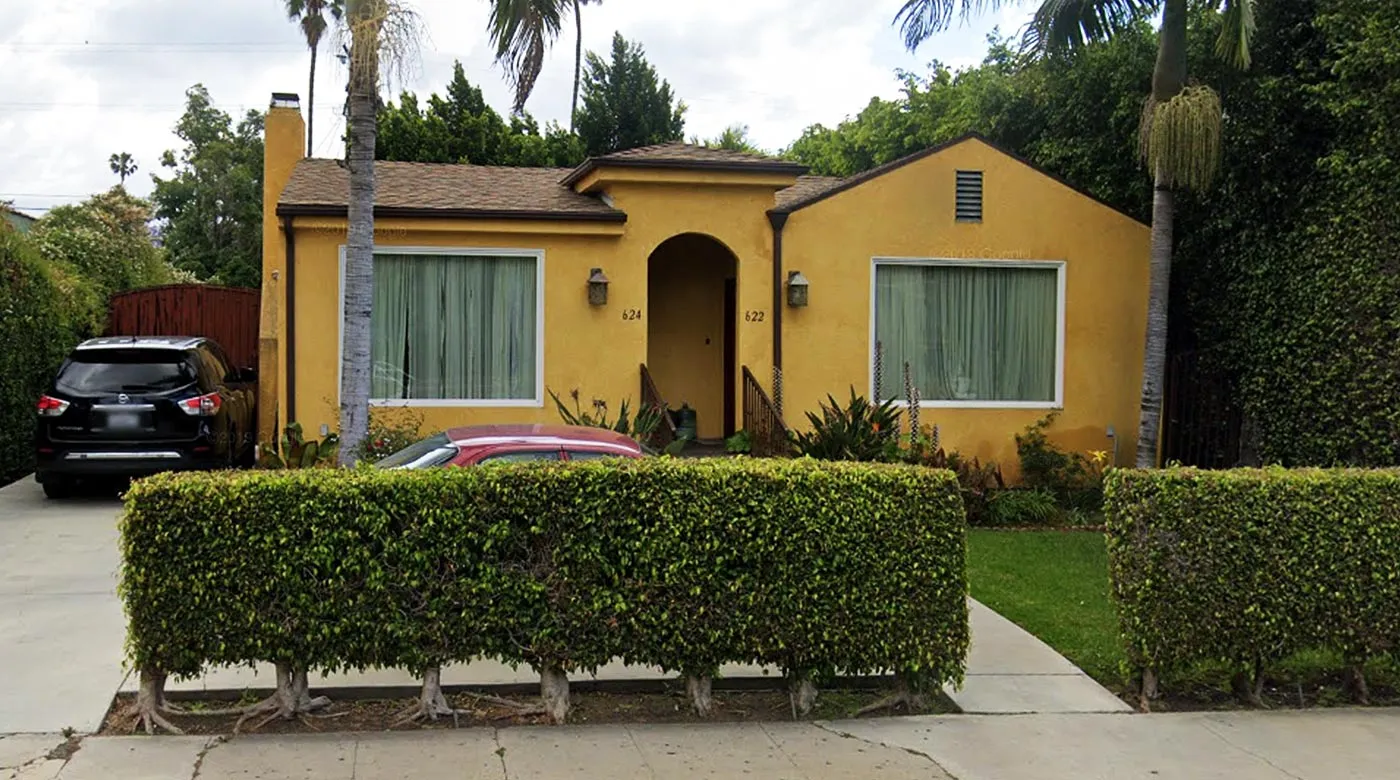
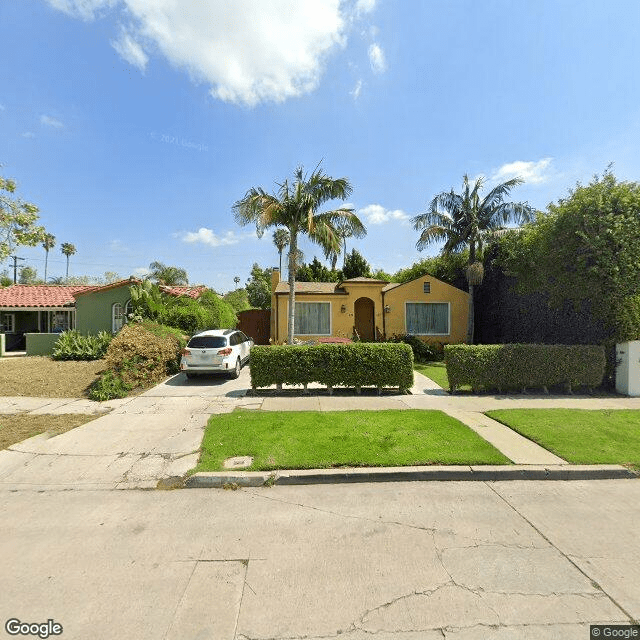
624 N Harper Ave, Los Angeles, CA 90048
To contact a resident: (323) 651-2733
For more information about senior living options: (866) 208-4318
Better Living and Care III Costs & Pricing
Better Living and Care III presents a premium option for assisted living, with monthly costs significantly above both Los Angeles County and the broader California averages. For semi-private rooms, Better Living and Care III charges $6,500, which is almost double the county's average of $3,349 and the state average of $3,333. The disparity is even more pronounced in private accommodations, with Better Living's rate of $8,000 exceeding Los Angeles County's average of $4,197 and California's overall average of $3,939 by a substantial margin. This pricing reflects a commitment to high-quality care and personalized services that may appeal to those seeking a more luxurious lifestyle in their later years.
| Floor plans | Better Living and Care III | Los Angeles County | California |
|---|---|---|---|
| Semi-Private | $6,500 | $3,349 | $3,333 |
| Private | $8,000 | $4,197 | $3,939 |
Assisted Living communities with a similar price nearby
-
from -$300 / mo
The Kensington at Sierra Madre
$6,200 to $9,270 / month18.6 miles away -
from -$1000 / mo
Blue Skies Ranch
$5,500 / month12.8 miles away -
from -$1000 / mo
Kind Heart Home Care III
$5,500 to $6,000 / month18.7 miles away -
from -$500 / mo
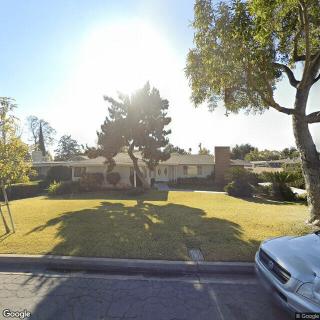
Hampton Guest Home
$6,000 / month17.7 miles away -
from -$500 / mo
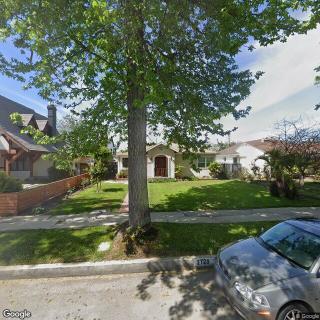
Comfort Home for the Elderly
$6,000 to $6,500 / month4.6 miles away
Overall Review of Better Living and Care III
Pros
 Lucien and his staff are a wonderful gift to older adults and the families they serve.
- The staff is friendly and the personal caregivers are fabulous.
- The activity director visits the resident regularly to chat and keep her informed.
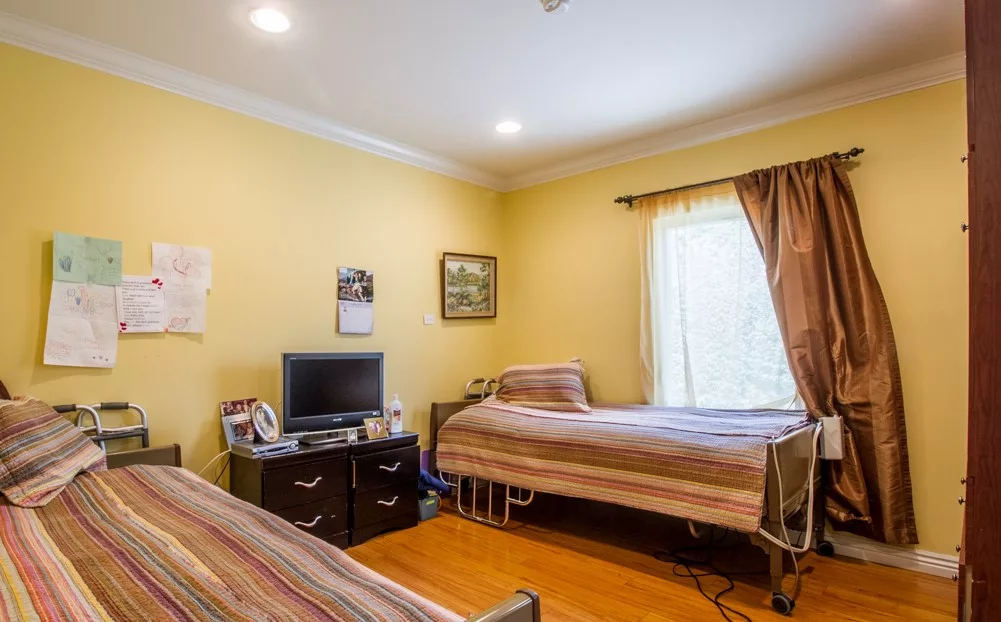
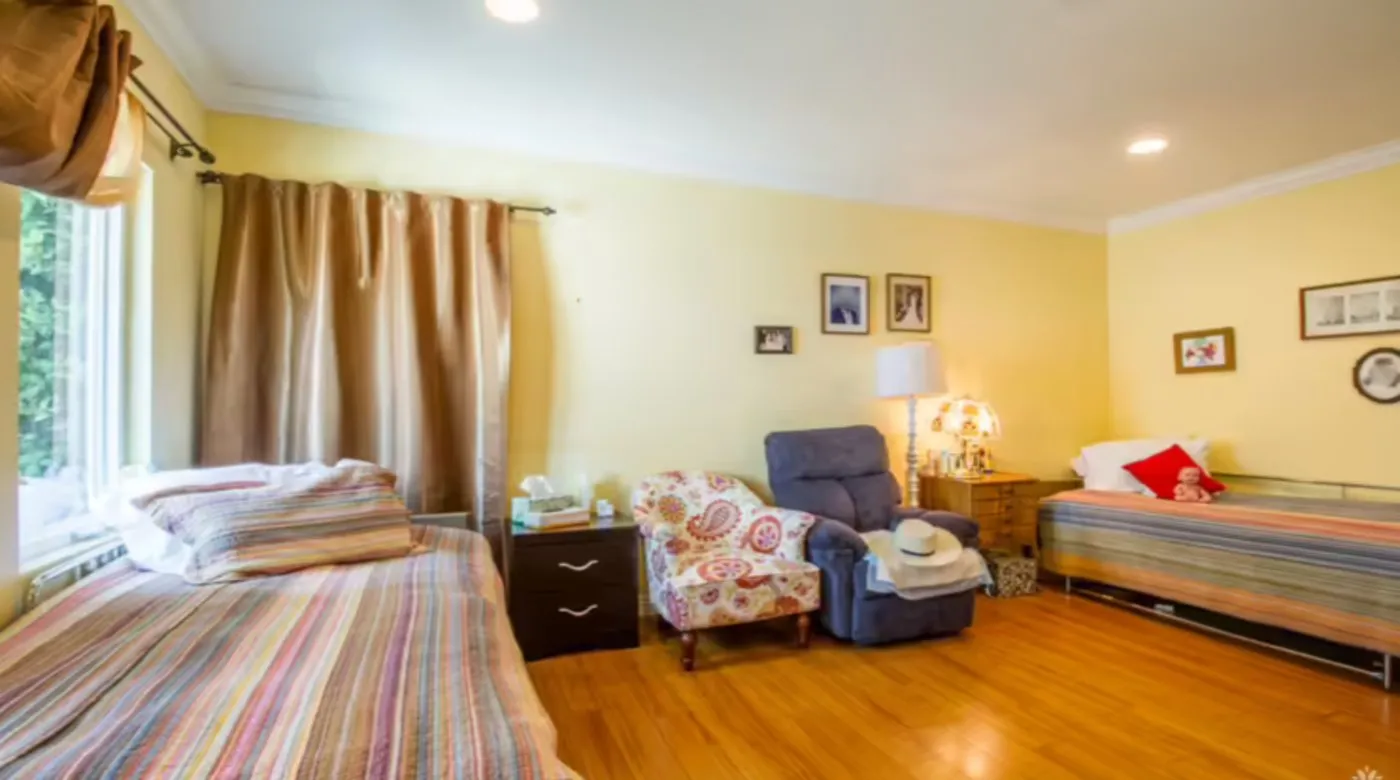
- The facility is a good fit, with the resident having her own room and a shared bathroom.
- The on-site house doctor conducts wellness check-ups and labs are done on site.
- References are happily provided when requested, with no hassles or objections.
Cons
 The receptionist is very nasty and rude.
- They were very rude and had no customer service skills.
Review
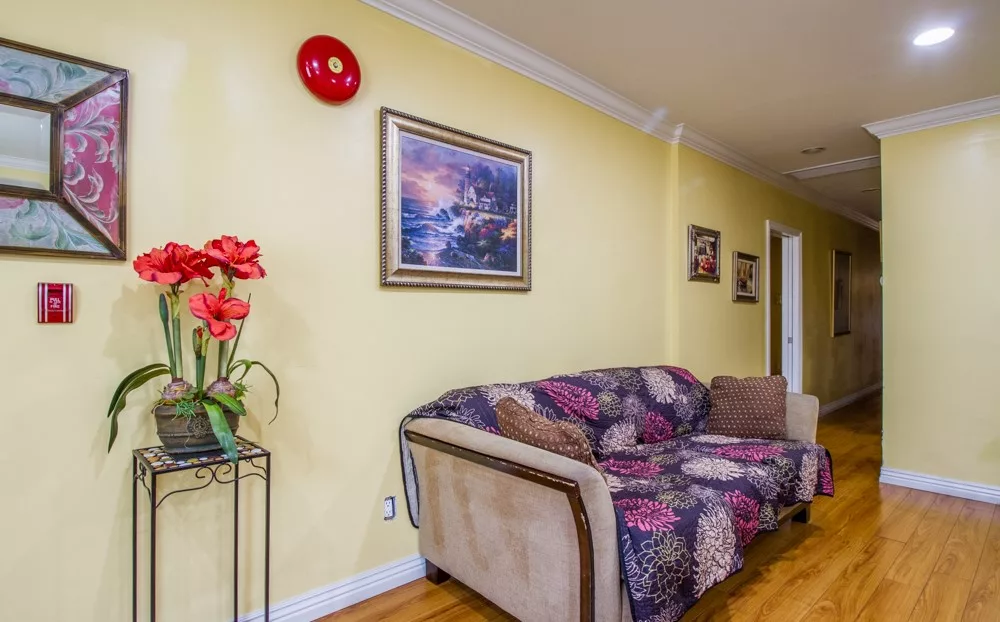
Better Living and Care III is most suitable for families seeking a warm, home-like board-and-care environment in Los Angeles where caregiving is personal and medical oversight is readily accessible. The community shines for residents who value a defined personal space with an own room and shared bath, paired with a hands-on care team that emphasizes attentiveness and continuity. It functions well for families that want visible, day-to-day contact with caregivers who know the resident’s routine, and for those who appreciate on-site medical touches, a house doctor for wellness check-ups and on-site labs, that reduce the need for frequent external visits. In short, this is a practical, intimate option for seniors who want a smaller, more individualized setting rather than a large, impersonal facility.
That said, this community is not the obvious pick for every family. Alternatives should be considered by anyone who cannot tolerate at least a service level that feels detached or impersonal, starting with the front desk experience. A single review highlighted a rude receptionist, a reminder that administrative hospitality can color the overall perception of care. Families seeking a highly polished front-end experience, a more expansive social calendar, or a facility with a large campus vibe may find comfort elsewhere. For residents who require intense social programming or more uniform, structured activities across the week, it’s wise to compare options with fuller activity rosters and louder community life.
The strongest positives here offset the main drawbacks in meaningful ways. Staff engagement stands out: a caregiver described as fabulous and attentive, with a personal touch that makes transitions smoother for a mom moving from home and through loss. The activity director’s willingness to step in and sit with a resident even when participation is limited demonstrates real investment in social connection. The presence of in-house medical oversight, wellness checks by a house doctor and on-site labs, offers reassurance for families prioritizing medical continuity without constant scheduling headaches. The endorsements from professionals, including a Certified Aging Life Nurse Manager who praises the homes and a placement agency with years of positive feedback, provide credible validation that care quality is consistently prioritized.
Another clear strength lies in the practical, transparent approach to care planning. Families report straightforward processes, easy access to references, and a willingness from leadership to support external validation. This combination, hands-on caregiving paired with accessible medical oversight and open reference-sharing, creates a credible trust signal for families evaluating safety and reliability. The setting itself, an attractive, well-located facility with attentive owners, also contributes to a sense of stability, which matters when facing the emotional and logistical demands of elder care.
Where the pros align with the needs of a particular resident, the math works in favor of Better Living and Care III. Residents who do not require intensive, round-the-clock supervision but still need reliable oversight, regular wellness checks, and consistent caregiver attention will likely feel secure and well cared for. The ability to personalize care in a smaller, locally situated community supports smoother daily living, fewer transfer stresses, and better advocacy for the senior’s preferences. Professional endorsements add weight for families who want a vetting layer beyond personal impressions.
For decision-making, approach this option with a practical, guard-raised mindset. Plan a visit to assess not only the caregiving culture but also the administrative warmth that supports it. Ask to meet the caregiving team and request a candid discussion about the front-desk experience and responsiveness, since that first impression matters. Request current menus, a clear outline of what is included in the rate, and a tour of the on-site medical facilities. Engage with current residents or their families if possible to hear those day-to-day stories. If the resident values gentle, personalized care, medical accessibility, and a family-feel environment, this community offers compelling alignment. If, however, a polished front-desk experience or a robust daily social calendar is non-negotiable, it would be prudent to explore alternatives that emphasize those elements more strongly.
 6 resident community capacity
 Assisted Living
 Board and Care Home
 Activities on-site
 Beautician on-site
 Cable or satellite TV
 Dining room
 Fully furnished
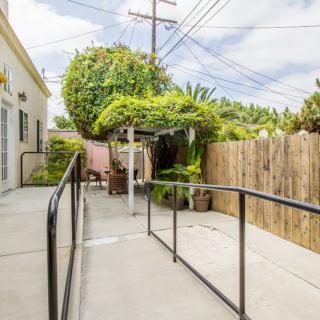
 Garden
 Housekeeping services
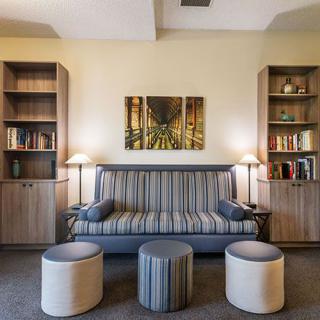
 Indoor common areas
 Move-in coordination
 Outdoor common areas
 Private
 Private bathrooms
 Telephone
 Wheelchair accessible showers
 Wi-Fi/high-speed internet available
 Burbank-Glendale-Pasadena (8 miles away)
 24-hour supervision
 Assistance with bathing
 Assistance with dressing
 Assistance with transfers
 Diabetes diet
 Diabetic care
 High acuity care
 Incontinence care
 Meal preparation and service
 Medication management
 Special dietary restrictions
 Transportation arrangement (medical)
 Transportation to doctors appointments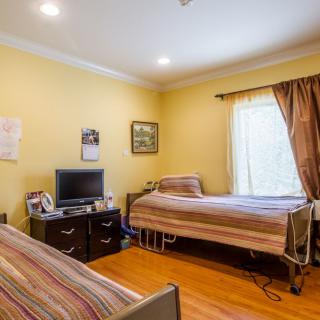





 Funding and Affording Assisted Living: A Thorough Overview
 Assisted Living Expenses and Long-Term Care Insurance: A Comprehensive Exploration
 Securing Financial Support for Assisted Living: A Comprehensive Overview