
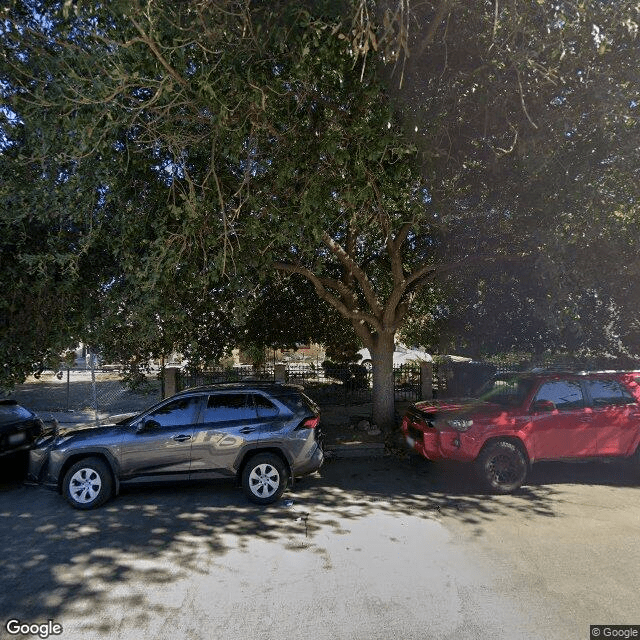
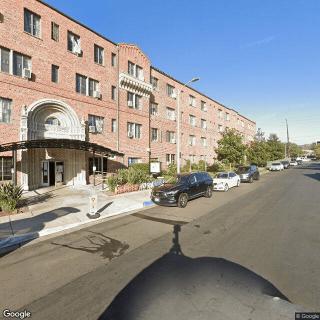
820 N Harvard Blvd, Los Angeles, CA 90029
To contact a resident: (323) 661-4663
For more information about senior living options: (866) 208-4318
Angelus Residential Care Costs & Pricing
Angelus Residential Care offers competitive pricing that positions it favorably within both Los Angeles County and the broader California market. For instance, their semi-private rooms are priced at $2,500 per month, significantly lower than the county average of $3,349 and the state average of $3,333. Similarly, studio accommodations at Angelus are available for $2,595, well below Los Angeles County's average of $4,172. Even for private rooms and one-bedroom units, which range from $3,000 to $4,195 respectively, Angelus remains more affordable compared to the county averages of $4,197 for private rooms and $4,603 for one-bedroom apartments. This pricing structure makes Angelus Residential Care an attractive option for those seeking quality residential care without breaking the bank.
| Floor plans | Angelus Residential Care | Los Angeles County | California |
|---|---|---|---|
| Semi-Private | $2,500 | $3,349 | $3,333 |
| Studio | $2,595 | $4,172 | $4,145 |
| Private | $3,000 | $4,197 | $3,939 |
| 1 Bedroom | $4,195 | $4,603 | $4,340 |
Senior living communities with a similar price nearby
-
from -$300 / mo
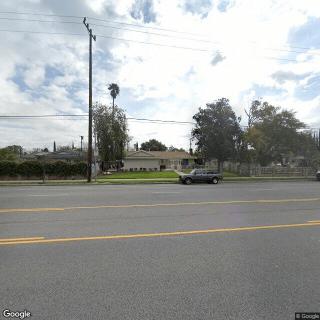
Precious Someone Homecare
$2,200 to $3,300 / month20.3 miles away -
from -$100 / mo
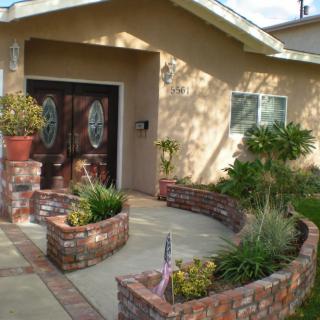
Living Well Care Home
$2,400 to $3,200 / month22.1 miles away -
from +$250 / mo
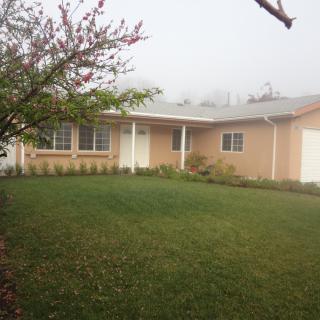
Dignity Care Home 1
$2,750 to $4,150 / month14.5 miles away -
About the same
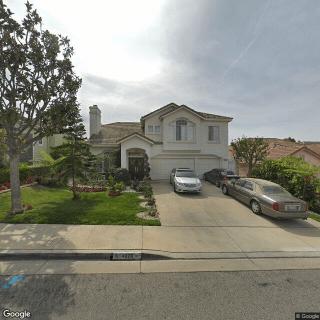
Eleanor's Residential Home
$2,500 to $6,000 / month7.3 miles away -
from +$300 / mo
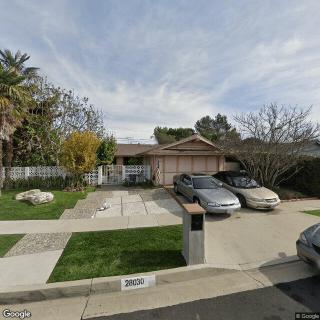
Angels Home Care
$2,800 to $3,800 / month21.7 miles away
Overall Review of Angelus Residential Care
Pros
 It was very nice and clean.
- It was informative and nice.
- It was very affordable.
Cons
 The location is a little hard to get to because it’s in a busy area.
Review
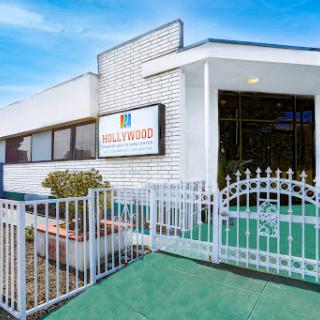
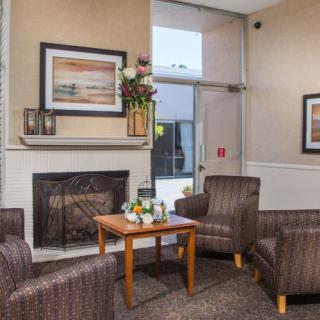
Angelus Residential Care is best suited for budget-conscious seniors who want a clean, home-like residential setting in a reliably urban Los Angeles neighborhood, and for families that value a straightforward, informative tour and transparent pricing. This community works well for residents who need gentle assistance and prefer a simple, low-frills environment over a larger campus with extensive programming. In short, it serves as a practical, cost-conscious option for those who prioritize cleanliness, reliability, and clear communication during the decision phase.
People who should consider alternatives are those with higher needs for medical oversight, frequent skilled nursing, or memory-care-specific programming. For families seeking extensive on-site clinical staffing, specialized dementia care, or highly diversified activity schedules, a larger assisted living facility or a campus with dedicated memory-care units may deliver the breadth of services that Angelus cannot promise based on the available feedback. Additionally, anyone who places a premium on easy access and navigation, especially for regular visits, appointments, or emergency trips, will want to evaluate whether the busy area and traffic patterns of this location align with their logistical preferences.
The strongest positives highlighted are an impression of cleanliness and a purposefully informative tour experience, coupled with an attractive price point. The facility’s neat, well-kept presentation signals a respectful approach to resident care and helps establish trust at the outset. An informative tour implies transparency and a willingness to engage in practical questions, key factors for families looking to understand what daily life might resemble and what costs will look like over time. When cost is a decisive factor, the affordability adds significant weight to the decision, making Angelus a viable option for households operating on tighter budgets.
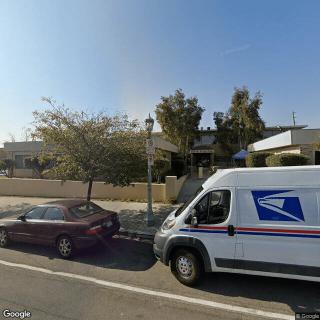
Yet the main caveat centers on location and accessibility. Descriptions of the site as “a little hard to get to” in a busy area point to real friction for visitors and perhaps for residents who rely on regular family oversight or off-site medical appointments. Parking constraints, traffic congestion, and the overall urban footprint can complicate spontaneous visits or routine outings. In a scenario where consistent, stress-free mobility is essential, whether for transportation to clinics, social visits, or daily errands, this trade-off could tilt the balance away from Angelus, despite the otherwise solid impression of the facility.
The key trade-off is manageable with disciplined planning and realistic expectations. The clean environment and candid, informative engagement during tours give families confidence that cleanliness, safety, and open communication will be maintained. The price advantage translates into meaningful monthly savings that can stretch a tighter budget further, enabling continued care without sacrificing essential funds for medications or ancillary services. The downside, the busy setting and access challenges, can be mitigated by scheduling visits during lighter traffic windows, arranging pre-booked transportation, and aligning family oversight with times when parking is more straightforward. When these logistics are well managed, the value proposition strengthens substantially.
For families considering a closer look, a thoughtful revisit should focus on practical confirmations: confirm current staff ratios and who provides daily oversight; request a transparent, itemized look at the rate structure and any ancillary fees; ask to observe a care interaction to gauge responsiveness and warmth; discuss meal quality and dietary accommodations; and probe transportation options for regular medical appointments or social activities. A tour should also catalyze conversations with current residents or family members, if possible, to verify consistency between impressions and day-to-day reality. The more these factors align, the more Angelus becomes a compelling fit for those who prize cleanliness, honest communication, and affordability over a broader spectrum of on-site programming or easy urban accessibility.
In conclusion, Angelus Residential Care offers a solid, cost-conscious choice for seniors who value a clean, straightforward living environment and appreciate a tour experience that is informative and transparent. It serves best when the family’s priority is budget adherence and a dependable, well-kept setting, understood through clear signals during tours. It is less well-suited for residents who require extensive on-site medical services, memory-care specialization, or seamless access that minimizes travel time. For decision-makers who can work within a bustling urban footprint and plan around transportation and visit windows, Angelus presents a practical, credible option worth pursuing.
 Board and Care Home
 Activities on-site
 Bath tubs
 Indoor common areas
 Outdoor common areas
 Private
 Respite or short term stays offered
 Wheelchair accessible showers
 Burbank-Glendale-Pasadena (9 miles away)
 Ambulatory care
 High acuity care
 Incontinence care
 Medication management
 Meals provided
 Adventist services
 Buddhist services
 Islamic services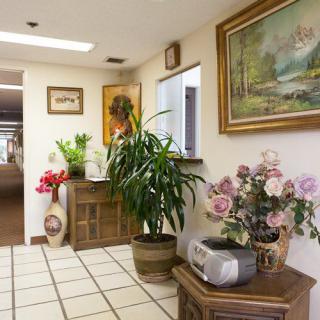
 Nurturing Our Elders: Linda's Journey of Supporting Her Mother
 A Comprehensive Exploration of Common Misunderstandings about Powers of Attorney
 Senior Move Management: Understanding the Role, Value, and Associated Costs