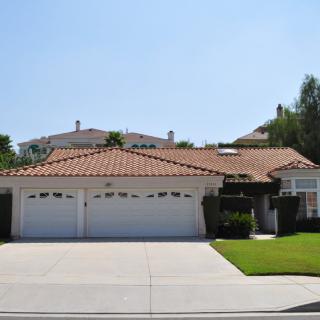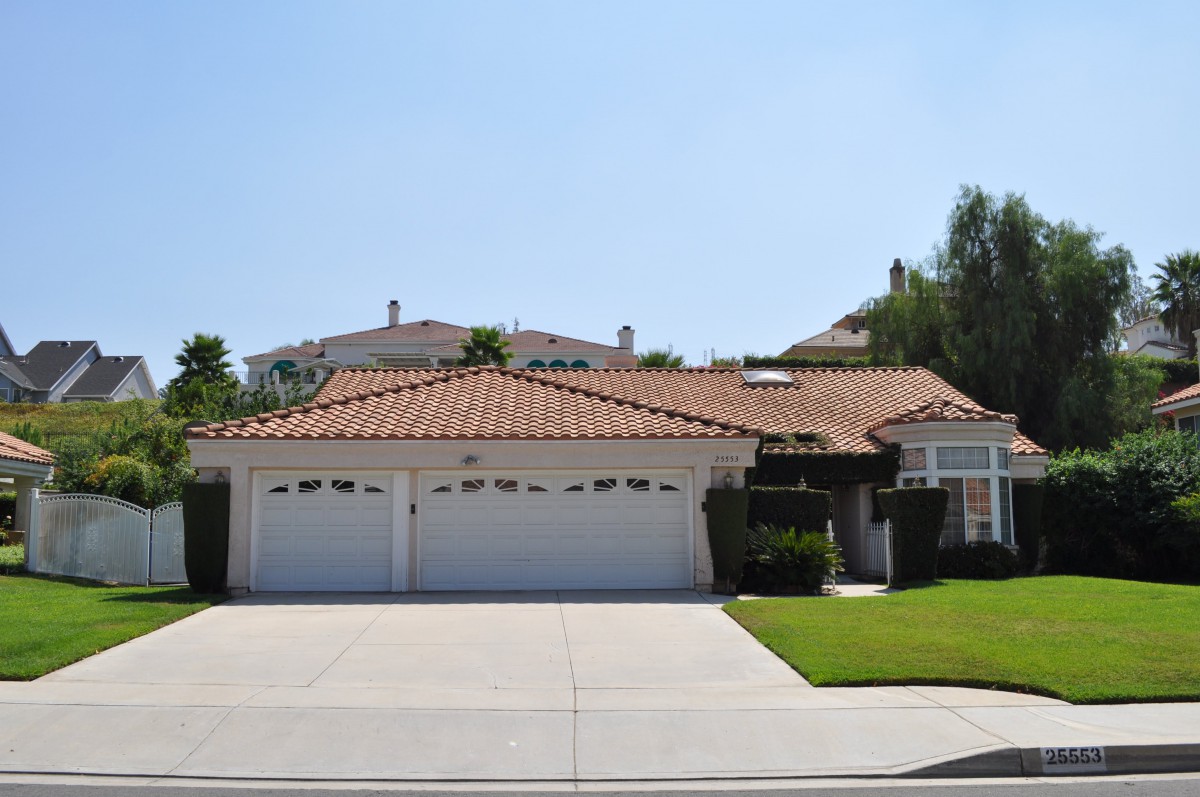
25553 Huron Street, Loma Linda, CA 92354
To contact a resident: (909) 796-8265
For more information about senior living options: (866) 208-4318
Home Care of Loma Linda Costs & Pricing
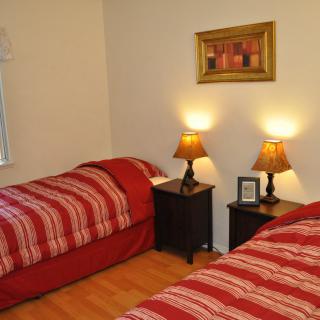
Home Care of Loma Linda offers a range of care options, with semi-private rooms priced at $3,500 per month and private rooms available for $5,200. When we compare these costs to the average rates in San Bernardino County and across California, it is evident that Home Care of Loma Linda positions itself slightly above the local and state averages. Specifically, the semi-private room rate is higher than both the county average of $2,958 and the state average of $3,333, while the private room rate exceeds the county's $3,561 and California's $3,939. This pricing may reflect a commitment to quality care and additional amenities that distinguish their services from other options in the region.
| Floor plans | Home Care of Loma Linda | San Bernardino County | California |
|---|---|---|---|
| Semi-Private | $3,500 | $2,958 | $3,333 |
| Private | $5,200 | $3,561 | $3,939 |
Senior living communities with a similar price nearby
-
About the same
Aloha Residential Care
$3,500 to $6,500 / month16.6 miles away -
About the same
Genesis Manor VI
$3,600 to $4,200 / month21.0 miles away -
About the same
Genesis Manor I
$3,600 to $4,200 / month22.0 miles away -
from -$500 / mo
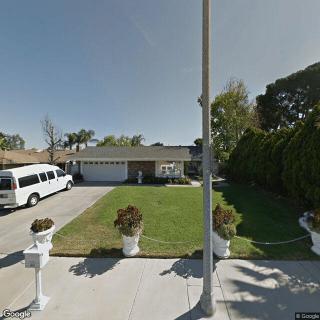
Villa Anne
$3,000 to $4,500 / month11.0 miles away -
from -$300 / mo
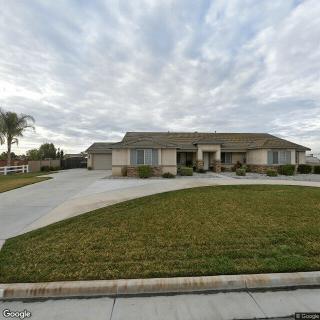
Live In Comfort Care
$3,200 to $3,500 / month14.7 miles away
Overall Review of Home Care of Loma Linda
Pros
 The area around the facility is nice.
- Anthony is very informative and friendly.
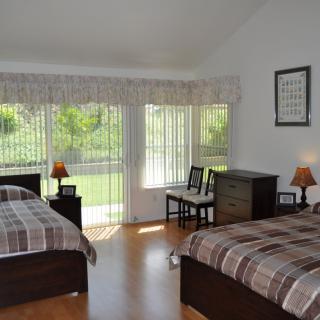
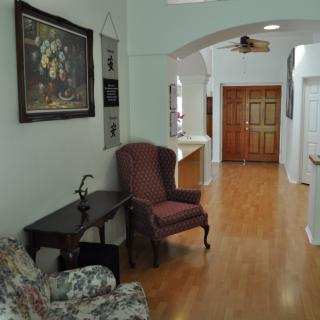
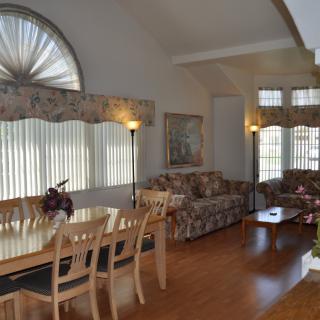
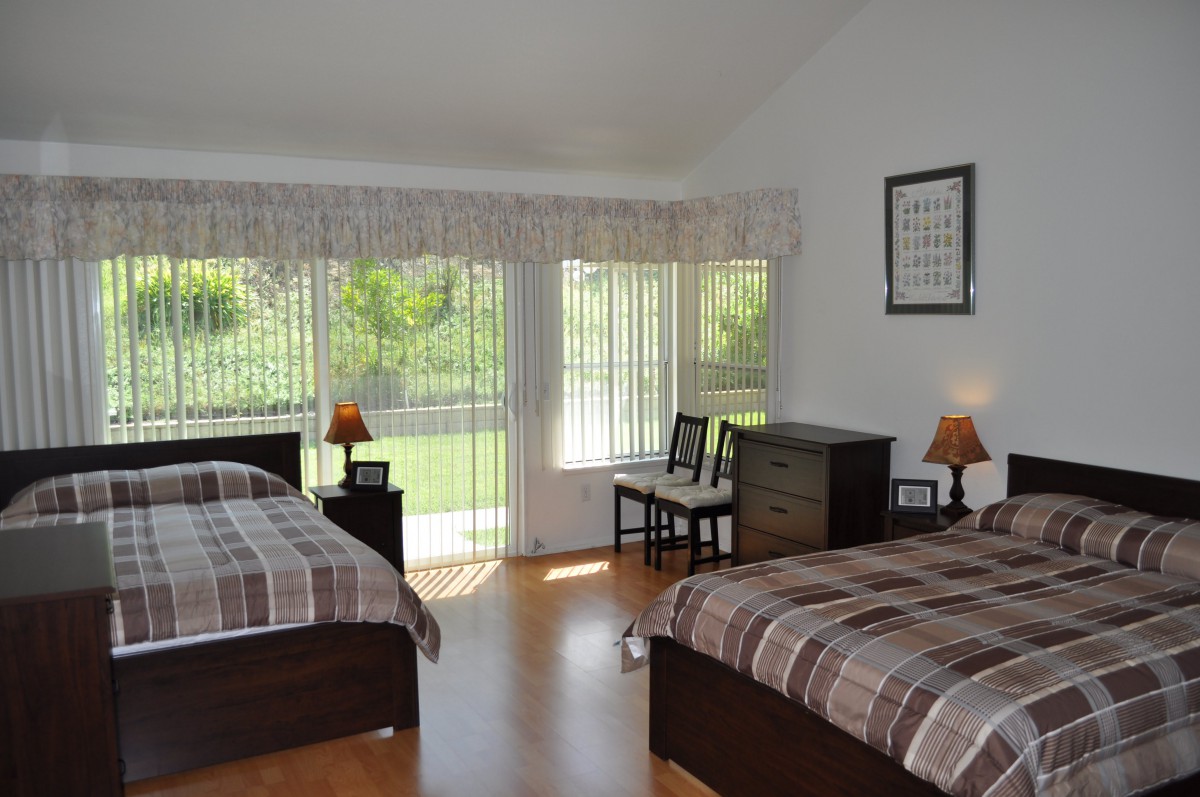
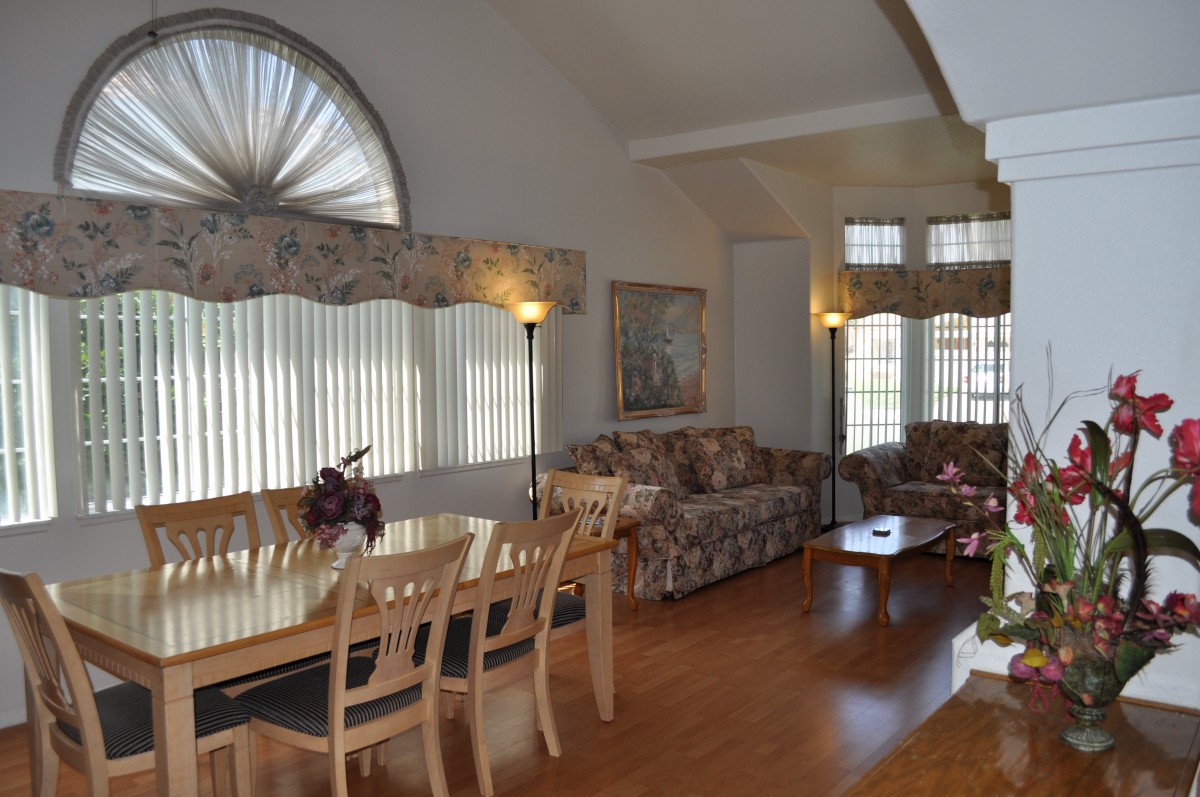
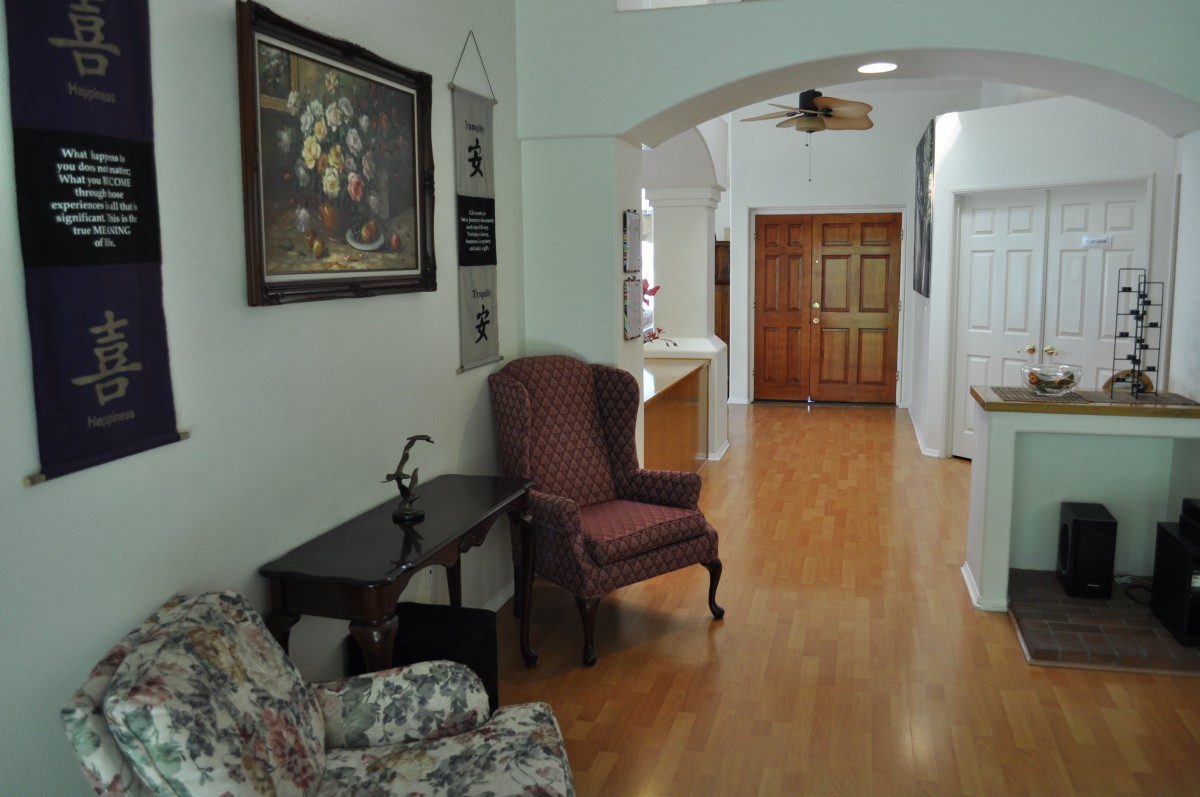
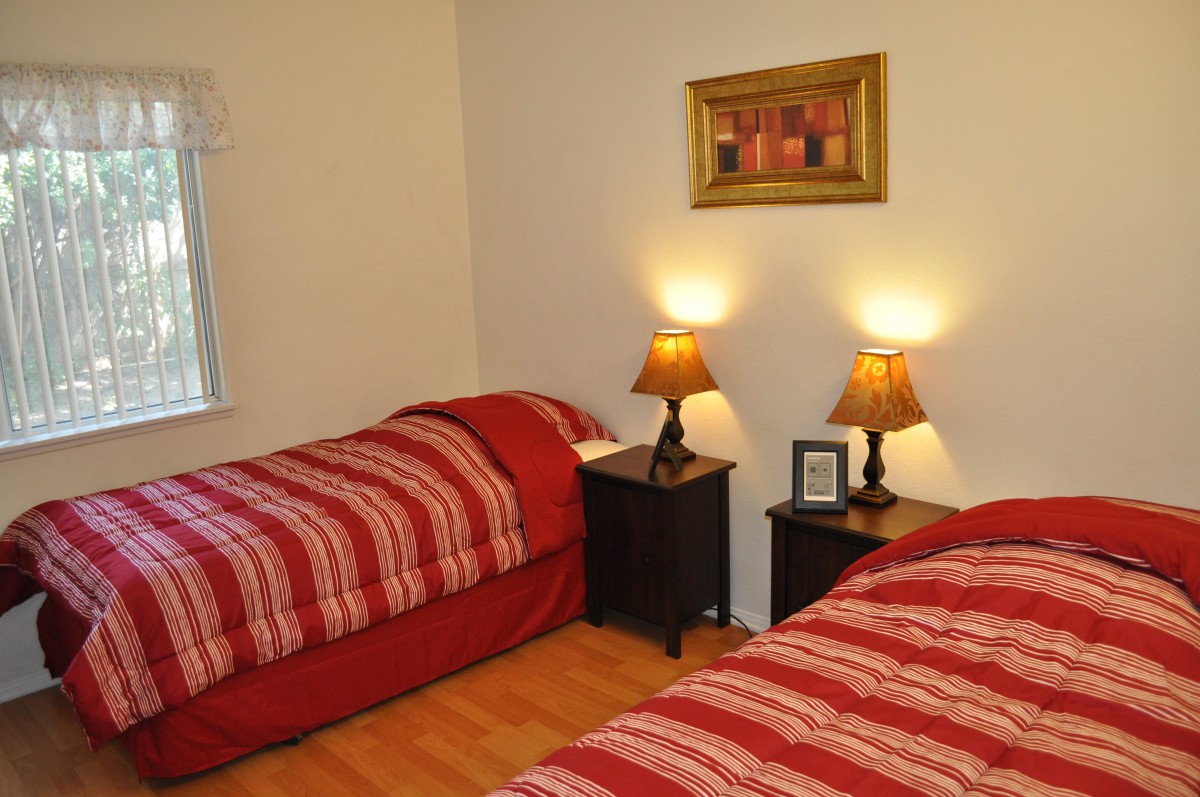
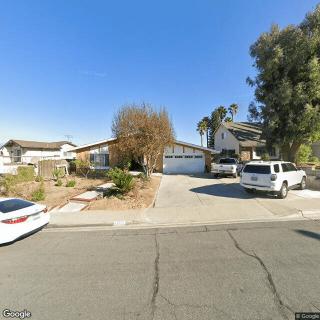
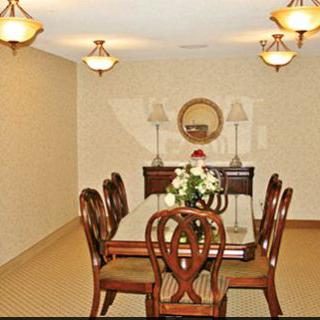
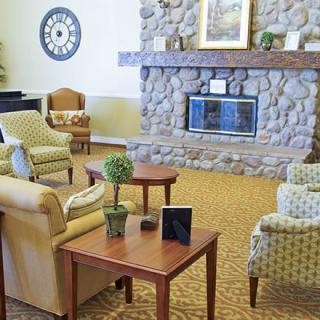
- The home has a lot of natural light and is well maintained.
- The atmosphere is caring and friendly.
- The staff communicates with families and provides updates.
- A caregiver speaks Spanish with residents.
- The home is warm and kind to the residents.
Cons
 The home has mostly memory care residents.
- The family felt the residential care home would not be the right fit for their needs.
- The facility's price and care costs were on the higher end.
- There was not enough activity for their mom with dementia.
Review
This community is best suited for families in the Inland Empire who want a warm, intimate residential setting in Loma Linda that feels like home rather than a hospital. It shines for residents who require daily assistance in a quiet, well-kept environment and who appreciate generous natural light, tidy common areas, and a staff culture that emphasizes kindness. For seniors with memory challenges, the home works best when expectations align with a calmer, low-traffic routine and a focus on personal attention rather than clinical programming. The location helps families manage visits and transitions, and the small size fosters straightforward communication with caregivers. In short, it serves as a strong option for those prioritizing atmosphere, transparency, and a personal touch over institutional scale.
Who may want to consider alternatives is straightforward: the option may not fit families seeking dense dementia programming or robust daily activities. Higher price points and ongoing care costs can stretch budgets, especially when the calendar lacks wide-ranging outings or structured cognitive-stimulation schedules. If medical complexity requires more nursing oversight, on-site therapists, or a campus with broader rehab capabilities, a larger memory-care community may deliver more comprehensive services. Those who prize variety in programming, frequent off-site activities, or a longer track record of dementia-specific activity coordination might conclude that a bigger or more specialized setting better matches expectations. Even with prime location, the trade-off is straightforward: more programming for more cost.
On balance, the strongest positives are tangible and meaningful. The home’s natural light and careful maintenance create a cheerful daily environment that supports mood and comfort. Families repeatedly highlight a caring, approachable staff and transparent communication, updates via text about care plans build trust and reduce anxiety about a loved one’s day-to-day status. The Spanish-speaking caregiver presence also helps in establishing rapport with residents who prefer or require that language. The central downside, price on the higher end, remains real, but the warmth, staff accessibility, and dependable atmosphere can largely offset it for families who value relationship-driven care and a non-clinical setting. The overall value rests in trust, consistent daily experience, and quiet stability more than in impressive, impersonal amenities.
To decide confidently, families should seek concrete answers during tours. Ask for current caregiver-to-resident ratios by shift and the specific cognitive-care offerings available for memory care residents. Request a sample weekly activity calendar and evidence of dementia-focused engagement: reminiscence groups, music, outings, or simple group games. Verify care-planning processes: how often plans are updated, who signs off, and how families receive updates beyond texts. Confirm dietary considerations, safety features, and emergency protocols. Inquire about respite or trial stays to test compatibility. Finally, assess whether staff languages available align with resident preferences and whether the home offers memory-care staff training or partnerships with specialists. The more specifics secured, the clearer the fit becomes.
For families prioritizing a light-filled, compassionate environment close to home, this community delivers strong value despite the cost. The combination of a welcoming atmosphere, steady staff engagement, and transparent care planning often translates into less family stress and smoother day-to-day management. However, for those where dementia programming and social calendars are non-negotiable, this option may fall short relative to larger memory-care facilities that offer more structured activities and richer peer interaction. The decision hinges on balancing budget against the appetite for ongoing cognitive-stimulating programming and built-in social opportunities.
In the end, Home Care of Loma Linda should be high on the short list for families who want a home-like feel, accessible communication, and a loyal staff. It is less ideal for those who need aggressive dementia programming or budget-conscious planning. Prospective residents should arrange a guided visit, request real-time activity samples, and compare with nearby options to confirm value. With a clear sense of priorities, atmosphere, transparency, and cost, this community can be a trustworthy fit that keeps aging loved ones safe, comfortable, and well cared for.
 Board and Care Home
 Activities on-site
 Air-conditioning
 Cable or satellite TV
 Indoor common areas
 Outdoor common areas
 Private
 Private bathrooms
 Respite or short term stays offered
 Wi-Fi/high-speed internet available
 Ontario International (20 miles away)
 Diabetic care
 High acuity care
 Incontinence care
 Medication management
 Low / no sodium

 Comprehensive Guide to Qualifying for Home Health Care Services
 Powerful Realities of Elder Abuse and the Most Effective Ways to Report It
 Ten Vital Duties of a Senior Caregiver: A Comprehensive Guide