
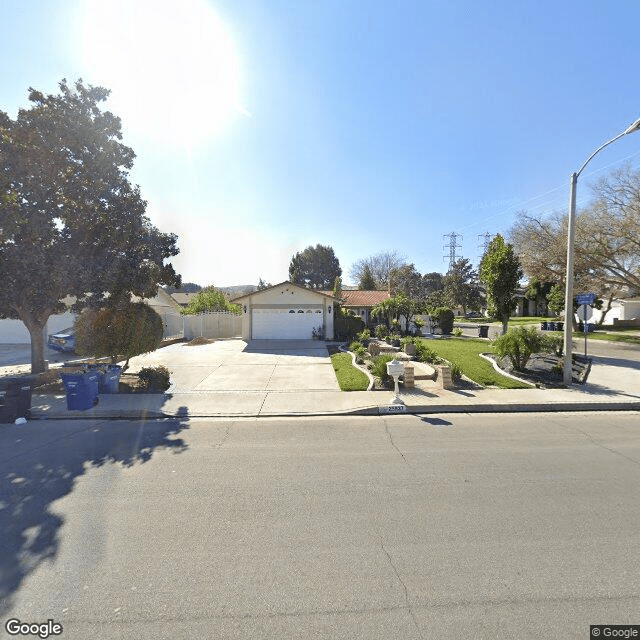
25937 Lawton Avenue, Loma Linda, CA 92354
For more information about senior living options: (866) 208-4318
Divine Home Care Costs & Pricing
Divine Home Care offers competitive pricing for its residential services, providing a cost-effective alternative in comparison to both San Bernardino County and the broader California market. For semi-private rooms, Divine Home Care charges $2,800 per month, which is notably lower than the county average of $2,958 and significantly more affordable than the state average of $3,333. Similarly, for private accommodations and one-bedroom units, Divine Home Care maintains a consistent value at $3,200 each - underneath both the county's averages of $3,561 and $3,548 respectively. This pricing strategy not only highlights Divine Home Care's commitment to affordability but also positions it as an attractive option for those seeking quality care without the premium costs typically associated with higher-priced facilities throughout California.
| Floor plans | Divine Home Care | San Bernardino County | California |
|---|---|---|---|
| Semi-Private | $2,800 | $2,958 | $3,333 |
| Private | $3,200 | $3,561 | $3,939 |
| 1 Bedroom | $3,200 | $3,548 | $4,340 |
Memory care communities with a similar price nearby
-
from -$300 / mo
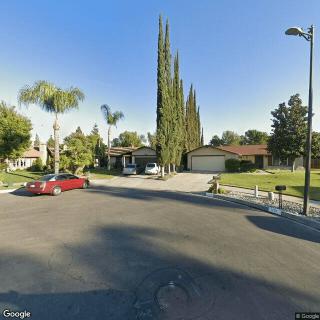
Valley Spring Elderly Care
$2,500 to $3,000 / month3.2 miles away -
About the same

Bianca's Home Care
$2,800 to $3,400 / month17.3 miles away -
from +$200 / mo
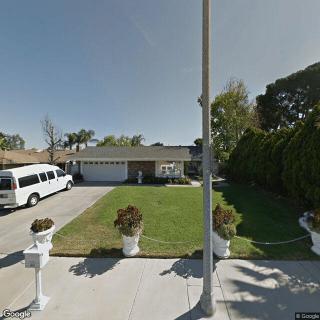
Villa Anne
$3,000 to $4,500 / month11.5 miles away -
from -$300 / mo
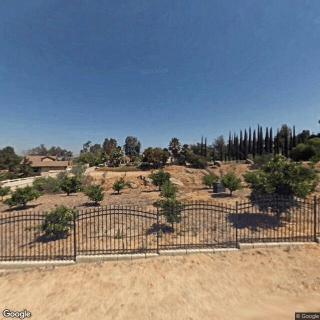
Golden Horizon Home I
$2,500 to $2,800 / month14.2 miles away -
from +$400 / mo
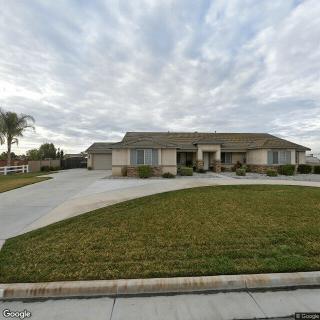
Live In Comfort Care
$3,200 to $3,500 / month15.2 miles away
Overall Review of Divine Home Care
Pros
 They are very impressed with the place.
- They have exceeded all expectations for their mom's care.
- The staff have been excellent to work with, and the care provided is very comfortable.
- She has had no complaints about the meals and enjoys participating in activities.
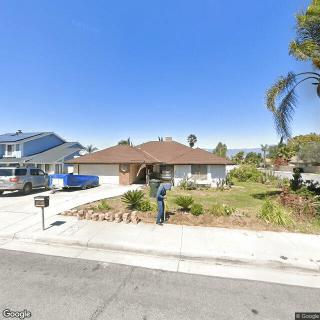
- The home is tidy and well-kept, with a welcoming yard.
- The staff are very caring toward residents and genuinely seem to enjoy what they do, creating a home-like atmosphere.
Cons
 They were greeted by someone who wasn't expecting them.
- They were greeted by an excitedly barking dog who seemed threatened by their presence.
- The inside of the house was poorly lighted.
- They did not go in.
- There have been a couple of hiccups, though they haven't been a big deal.
Review
Divine Home Care in Loma Linda is best suited for seniors who want a small, home-style living environment where care feels personalized and there is a visible sense of warmth from the staff. It works well for residents who prize direct, approachable caregiving, tidy surroundings, and a neighborhood-feel that supports social activity without the impersonal atmosphere of a larger campus. Families seeking dependable meals, regular activities, and a sense that caregivers genuinely enjoy their work will find the core appeal here. This is not a clinical, hospital-like setting; it is a domestically oriented option that prioritizes comfort, familiar routines, and personal attention.
Those who should consider alternatives are those who expect a consistently polished first impression and a tightly run operations team from day one. Several reviewers flagged a rough tour experience, an unexpected dog and dim lighting signaling potential gaps in front-desk preparedness and safety perceptions. More broadly, two of the five reviews are strongly negative, signaling that inconsistencies in communication, scheduling, or responsiveness can surface. For families prioritizing a highly structured environment, rigorous medical oversight, or a larger community with more formal programming, other options may deliver more predictability and professional branding.
The strongest case for Divine Home Care rests on its authentic, resident-centered strengths. The care staff is repeatedly described as excellent to work with, with caregivers who convey genuine concern and attentiveness. The home-like setting and tidy yard contribute to a sense of safety and homeliness that resonates with families seeking emotional comfort for their loved ones. Meals are reported as satisfactory, and activities provide opportunities for social engagement without overwhelming residents. When these elements align, personal rapport, a calm household atmosphere, and visible pride in the care provided, many families feel confident that their loved one is valued and well supported.
From the resident and family perspective, the practical upside centers on emotional well-being and day-to-day quality of life. The positive reviews emphasize the staff’s caring attitude, the home ambiance, and the potential for meaningful interaction with others. The tangible advantages, tidiness, a pleasant outdoor space, and a responsive approach to care planning, are meaningful for seniors who thrive on routine, personal connection, and a sense of belonging. Yet the environment’s strength in warmth and attentiveness does not automatically cancel out operational hiccups, and the mixed feedback indicates that consistency can vary by day, caregiver, or management moment.
Given the mixed track record, a careful decision hinges on risk tolerance and what matters most in daily life. If a family values warmth, straightforward communication, and a homey vibe over formal structure, Divine Home Care stands out as a solid, compassionate choice. If, however, the resident requires steady, predictable procedures, rapid issue-resolution, or a larger, more physician-led support framework, alternatives with a more corporate cadence or more extensive medical coordination may be a better fit. Pros offset many drawbacks when the focus remains on interpersonal dynamics and a relaxed, home-like pace rather than on clinical intensity.
For families moving forward, the recommended approach is practical and deliberate. Schedule a multi-time, in-person visit to observe how staff interact with residents during regular activities and meals, and request to meet the primary caregivers and the supervisor who would coordinate care. Ask to review the care plan process, dietary options, and how \"special requests\" are handled; verify what happens when concerns arise and how promptly responses are delivered. In parallel, gather candid references from current families and observe the facility at different times of the day to assess consistency. Divine Home Care offers a warm, intimate option for the right resident, but its suitability hinges on aligning expectations with the community’s demonstrated capacity to deliver steady, compassionate care.
 6 resident community capacity
 1-bedroom apartments
 Assisted Living
 Board and Care Home
 Memory Care
 Respite Care
 Activities off-site
 Cable or satellite TV
 Devotional services off-site
 Dining room
 Fully furnished
 Garden
 Housekeeping services
 Move-in coordination
 Outdoor common areas
 Private
 Telephone
 Wi-Fi/high-speed internet available
 Ontario International (21 miles away)
 24-hour supervision
 Ambulatory care
 Assistance with bathing
 Assistance with dressing
 Assistance with transfers
 Diabetes diet
 Diabetic care
 Incontinence care
 Meal preparation and service
 Medication management
 Special dietary restrictions
 Transportation arrangement (medical)
 Transportation to doctors appointments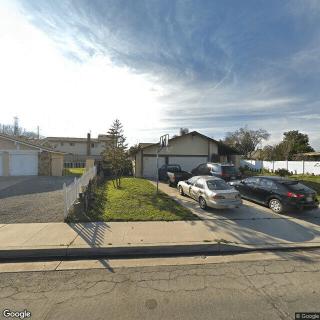
 Five Subtle Dementia Indicators to Observe: An In-Depth Guide to Understanding “Does My Mom Have Dementia?”
 Dementia, Paranoia, and Caregiver Guidance: Understanding the Connection
 Engaging Memory Care Activities That Enhance Quality of Life