
1029 Madison Avenue, Livermore, CA 94550
For more information about senior living options: (866) 208-4318
Overall Review of Gigi's Guest Home II
Pros
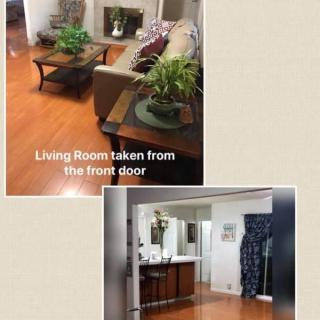
 The home is small and personal, with each resident having their own room and most with private bathrooms.
- The caregivers are kind and provide attentive daily care, including medications, meals, and daily routines.
- The owner stays actively involved in the home's operations, ensuring hands-on oversight of care.
- The facility guided families to hospice care when needed and coordinated hospice support.
- It offers good value for the level of personal and medical care provided.
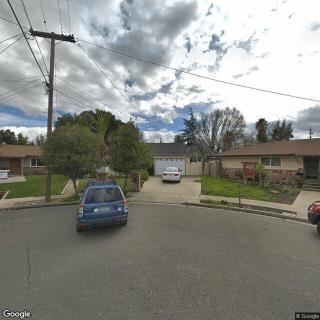
- The environment is clean, well-maintained, semi-rural, and provides safe outdoor spaces like sunny decks and a patio.
- The staff-to-client ratio is great and care is tailored to each resident’s individual needs.
Cons
 One reviewer notes that the facility is not inexpensive.
- One reviewer worries there might not be an opening within the required timeframe.
Review
This community is best suited for families seeking a true home-like setting where an elder can receive high-touch, individualized care in a small, intimate environment. The model works best for residents who benefit from a strong caregiver presence, where staff know personal routines, medical needs, and preferences up close. It suits someone who values proximity to family for frequent visits and shared activities, the ability to keep a pet or have a dog in residence, and private or semi-private living arrangements that feel less institutional than a large facility. With a six-resident footprint and an owner who stays actively involved, this setting delivers predictability, warmth, and a sense of safety that many seniors crave as care needs evolve.
There are clear reasons to consider alternatives for those facing higher medical acuity or a demand for broader programming. Families confronting complex nursing needs that require round-the-clock, on-site licensed medical oversight may find a larger facility with a formal clinical team preferable. For residents who seek a richer calendar of structured activities, extensive rehabilitation services, or a wider array of on-site therapies, a bigger community could offer more options. Price sensitivity also matters: while the care here is described as a good value relative to the level of attention received, some families may need a facility with lower cost tiers or different billing structures, or simply a setting that offers more predictable, standardized pricing.
The standout pros center on personalized care, hands-on leadership, and a home-like atmosphere that genuinely supports daily living. Caregivers are described as kind, attentive, and capable of handling bathing, dressing, meals, and medication administration, including injections when necessary. The owner’s direct involvement ensures continuity of care, quick decision-making, and seamless coordination with hospice when the time comes. Residents typically have their own rooms, and most have private baths, which reinforces dignity and independence. The environment’s semi-rural feel, sunny decks, and outdoor spaces reinforce a calm, predictable routine that reduces anxiety for both residents and family members.
These advantages offset the principal drawbacks by preserving a sense of control and intimacy that larger communities often lose. The tight-knit, predictable routine translates into fewer transfer jitters, easier family access, and the comfort of a consistently engaged caregiver team. For families, this means clearer communication, faster updates, and fewer misunderstandings about daily needs or medication regimens. The ability to accommodate a pet also matters for many seniors who view their animal companion as central to emotional well-being. When a resident’s condition worsens, the same team that knows the individual’s history can guide families through hospice options and coordinate outside services with minimal disruption.
Nonetheless, the small scale inevitably introduces constraints that require prudent planning. Availability can be limited, opening slots are precious in a six-resident home, so timing becomes a factor for families transitioning from another setting or attempting to move a loved one quickly. The price point, while described as good value, remains a consideration for households with fixed budgets or tighter affordability ceilings; the emotional and logistical payoff of a home-like setting must be weighed against ongoing expenses. Finally, while the caregiving team demonstrates strong capability, the breadth of on-site medical services and programs will not match what a larger facility can provide, potentially necessitating external supports for certain therapies or specialized care.
In the final analysis, this Livermore option stands out for families prioritizing intimate, caregiver-led care where residents are treated as individuals rather than room numbers. The combination of a small, controlled environment, highly involved ownership, and a clear willingness to coordinate medical and palliative needs makes it a compelling choice for seniors who thrive on routine, personal attention, and easy access to loved ones. Those with significant medical complexity requiring robust in-house clinical teams or a desire for a broader activity slate should evaluate larger communities or in-home care alternatives as viable complements or substitutes. Prospective families should visit with a checklist: confirm the current caregiver-to-resident ratio, review the specific medication management capabilities, verify private-room availability and pet policies, and probe how hospice or external therapy services will be integrated if needs evolve. This approach ensures the decision aligns with both the resident’s needs and the family’s logistical realities.
 6 resident community capacity
 Assisted Living
 Board and Care Home
 Cable or satellite TV
 Dining room
 Fully furnished
 Garden
 Housekeeping services
 Move-in coordination
 Outdoor space
 Telephone
 Wi-Fi/high-speed internet available
 San Jose International (24 miles away)
 24-hour supervision
 Activities of daily living assistance
 Assistance with bathing
 Assistance with dressing
 Assistance with transfers
 Diabetes diet
 Meal preparation and service
 Medication management
 Special dietary restrictions
 Transportation arrangement (medical)
 Transportation to doctors appointments






 Medicare Coverage for Assisted Living: An In-Depth Exploration
 Choosing the Right Senior Care: A Detailed Exploration of Assisted Living and Nursing Homes
 Understanding the True Cost of Assisted Living in 2025: A Comprehensive Guide