
1422 Berlin Way, Livermore, CA 94550
For more information about senior living options: (866) 208-4318
Overall Review of A New Haven Care Home - Berlin
Pros
 The main care lady was awesome.
- She cared for mom in every aspect and even sat with her all night to help her sleep.
- They provided lots of activities and decorated for all the holidays.
- The backyard was very nice and well landscaped.
Cons
 It did not work well as it was turned into assisted living and functioned like a group home.
- The cleanliness and sanitation were unsatisfactory.
- The shower was very rusty.
- There were only two main caregivers on shifts around the clock, suggesting insufficient staffing.
- Only two of the caregivers were liked; the rest were not.
Review
This community is best suited for families seeking a small, home‑like environment where a resident can receive highly personalized attention from a tightly focused caregiving team. A New Haven Care Home - Berlin operates more as a six‑room, house‑style setting than a traditional, larger assisted‑living community. That intimate scale can translate into meaningful, consistent relationships with caregivers, and it often yields a calming, less institutional atmosphere. For residents who thrive on routine, meaningful daily interaction, and a sense of being part of a private home, this setup can feel reassuring in ways that larger campuses sometimes don’t. The emphasis on small‑scale, hands‑on care is the defining strength here, especially when a single caregiver pair becomes a trusted constant.
There are clear reasons to consider alternatives. For families that require robust medical oversight, frequent on‑site nursing, or a facility capable of handling complex needs with broad staffing coverage, this option may fall short. The six‑room model relies on two main caregivers around the clock, which creates a vulnerability if illness, vacations, or unexpected absences trim that core team. Residents with higher care demands, memory‑care needs, or wandering risk may be better served by communities with larger staffs and more specialized supervision. The house‑turned setting also raises questions about consistency and availability of backup support during off‑hours, when emergencies can require rapid escalation and a broader array of skills.
On the upside, the most meaningful pro is the evident commitment of the primary caregiver, who demonstrated genuine, compassionate dedication to the resident’s comfort and sleep needs. The caregiver’s willingness to sit with mom overnight and to address daily challenges with attentiveness stands out in a way that can significantly improve quality of life for someone who values personal attention. Social enrichment is another strength: frequent activities and holiday decorations give residents purpose and connection, and a well‑kept outdoor area provides a pleasant, restorative space for outdoor time and fresh air. These elements collectively offset some of the more persistent gaps that come with a smaller operation.
Nevertheless, the main cons cannot be brushed aside. Cleanliness and sanitation emerged as a notable concern, with specific mentions of disharmony between a cozy home feel and the appearance of maintenance neglect, such as a rusty shower. In a setting where staff numbers are limited, basic upkeep can slip without rigorous oversight, and that risk materializes in tangible ways that impact daily life and peace of mind. The review highlights real inconsistencies among staff, one caregiver out of a small group stood out positively, while the rest did not meet the same standard. This uneven quality can undermine trust in the continuum of care, especially when the same caregivers are shouldering most responsibilities at all hours.
From a practical decision standpoint, the takeaway is clear. This option is ideal for families who prioritize intimate, relationship‑driven care and who can tolerate a lean staffing model in exchange for a warm, home‑like environment and strong personal attention. For those who require predictable, high‑frequency clinical oversight, or for residents with more complex medical needs, alternatives with larger teams and more structured supervision will likely offer greater reassurance. Pros such as devoted caregiving and social programming do offset the drawbacks only when expectations align with the facility’s capabilities. Tours should focus on housekeeping standards, the backup plan for caregiver absence, and the facility’s protocol for escalating care when medical needs intensify.
In final analysis, A New Haven Care Home - Berlin presents a practical, sometimes ideal setting for a specific resident profile: someone who values close, continuous human connection, daily engagement, and a serene, home‑like ambience over institutional polish. It is not the right fit for families seeking robust medical support, stringent sanitation guarantees, or scalable staffing to meet high‑acuity needs. Those considering this option should enter with a clear plan for verifying back‑up coverage, requesting a thorough walkthrough of housekeeping practices, and securing a candid discussion about emergency protocols and escalation pathways. If these align with the family’s expectations, the small‑scale, relationship‑driven model can deliver meaningful peace of mind and genuine daily comfort that larger communities sometimes lack.
 6 resident community capacity
 Assisted Living
 Board and Care Home
 Respite Care
 Cable or satellite TV
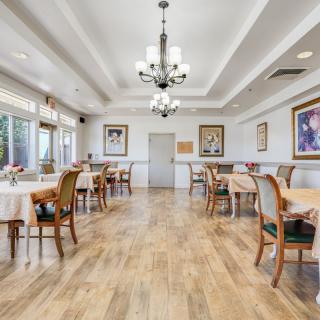
 Dining room
 Fully furnished
 Garden
 Housekeeping services
 Move-in coordination
 Outdoor space
 Telephone
 Wi-Fi/high-speed internet available
 San Jose International (23 miles away)
 24-hour supervision
 Activities of daily living assistance
 Assistance with bathing
 Assistance with dressing
 Assistance with transfers
 Diabetes diet
 Meal preparation and service
 Medication management
 Special dietary restrictions
 Transportation arrangement (medical)
 Transportation to doctors appointments







 Is Assisted Living Deductible on Your Taxes? Understanding the Complexities of Assisted Living Expenses and Deductions
 Assisted Living Support for Veterans: A Complete and Detailed Overview
 Exploring the Contrasts Between Assisted Living and Skilled Nursing