
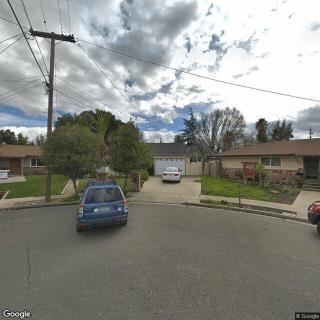
2162 Hampton Road, Livermore, CA 94550
For more information about senior living options: (866) 208-4318
Overall Review of A Home Of Our Own II
Pros
 A Home of Our Own was an incredible transition for Mom.
- The Director is great to work with and the staff cares for and helps residents during their last years.
- Mom was there for several years and always had a smile on her face.
- They provide delicious meals and take guests to enjoy the garden, fountain, and front yard.
- The place is always clean and cheerful.
- All of the ladies who stay here are very lovely and kind and seem to get along well together.
Cons
 Leaving a parent with strangers is one of the hardest things a child will do.
Review
A Home Of Our Own II in Livermore is best suited for families seeking a warm, home-like assisted living experience where an aging parent can thrive on genuine personal attention, frequent family involvement, and a cheerful, human-scale environment. The community excels at creating moments that feel less like a facility and more like a living room with caring elders and attentive staff. Residents have the stability of a small, intimate setting, meals that feel home-cooked, and daily opportunities to enjoy outdoor beauty, garden spaces, a fountain, and a welcoming porch. For families prioritizing continuity, meaningful interaction, and a sense of daily dignity, this community offers a compelling, practical home base for long-term care.
Those evaluating options should consider alternatives if the priority shifts toward more clinical oversight, memory-care specialization, or a larger campus with expansive programming. A Home Of Our Own II emphasizes warmth, familiarity, and personal connection rather than institutional scale. If a parent requires intensive medical monitoring, specialized dementia programming, or a broader menu of on-site therapies and social activities, a larger or more clinically focused community may be a better match. The decision should hinge on whether the resident’s needs lean toward consistent, touching, low-key daily living or toward formal, resource-rich care environments.
The strongest pro-score comes from the staff and leadership. The director is described as highly collaborative and accessible, and the local team offers compassionate hands-on care during the later years of life. The sense of trust is reinforced by consistent, sincere engagement with residents and their families. The overall mood is one of warmth: residents smile, meals are flavorful, and the facility feels clean and cheerful. The atmosphere supports emotional well-being through everyday kindness, rather than through high-intensity programming, and that dynamic aligns well with families seeking a dignified, comfortable retirement experience rather than a hospital-like setting.
These strengths offset the absence of a more clinical care footprint. While the reviews reveal no significant drawbacks, the implicit trade-off is clear: the community trades breadth of medical services and formal dementia programming for depth of personal attention, long-tenured staff, and a strong sense of family involvement. For residents who prize everyday companionship, respectful routines, and a homey pace, the advantages clear as day. The director’s accessibility and staff dedication act as powerful compensators, ensuring that the resident’s days are meaningful and well-supported even without a large operations footprint.
Families should approach onboarding as a partnership anchored in ongoing advocacy. The message is explicit, families remain their loved one’s best advocates, involved and engaged to maximize well-being and continuity of care. That collaborative dynamic is a built-in benefit here: communication with caregivers is straightforward, and there is a palpable commitment to nurturing residents to the end of life with dignity. Prospective families should plan regular visits, foster open dialogue about preferences, and remain vigilant for evolving needs. The ease of family inclusion during visits also reinforces a feeling of belonging and shared purpose that many altos-for-life communities struggle to cultivate.
In practical terms, A Home Of Our Own II is a practical, emotionally rich choice for families seeking a smaller, friendly, and genuinely caring environment in Livermore. It works best when the objective is a serene, respectful, home-like daily life, with meals, outdoor time, and socializing carefully woven into the fabric of each day. For those who prize continuity of care and an intimate staff-resident relationship, the positives far outweigh potential gaps in clinical programming. The bottom line: this community delivers dependable comfort, human warmth, and a dignified aging-in-place experience, especially compelling for families who will be actively involved and who value a true sense of home in the closing chapters of a loved one’s life.
 2 resident community capacity
 Assisted Living
 Board and Care Home
 Cable or satellite TV
 Dining room
 Fully furnished
 Garden
 Housekeeping services
 Move-in coordination
 Outdoor space
 Telephone
 Wi-Fi/high-speed internet available
 San Jose International (22 miles away)
 24-hour supervision
 Activities of daily living assistance
 Assistance with bathing
 Assistance with dressing
 Assistance with transfers
 Diabetes diet
 Meal preparation and service
 Medication management
 Special dietary restrictions
 Transportation arrangement (medical)
 Transportation to doctors appointments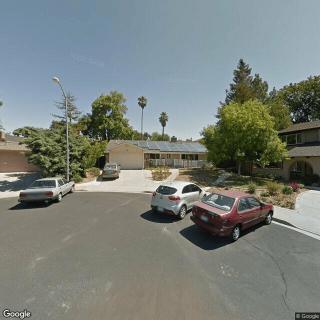


 Social Security Benefits and Assisted Living: Navigating Options Across the U.S.
 An Extensive Exploration of the VA Aid and Attendance Benefit
 Senior Transition Services: Understanding Their Role, Cost, and Importance