
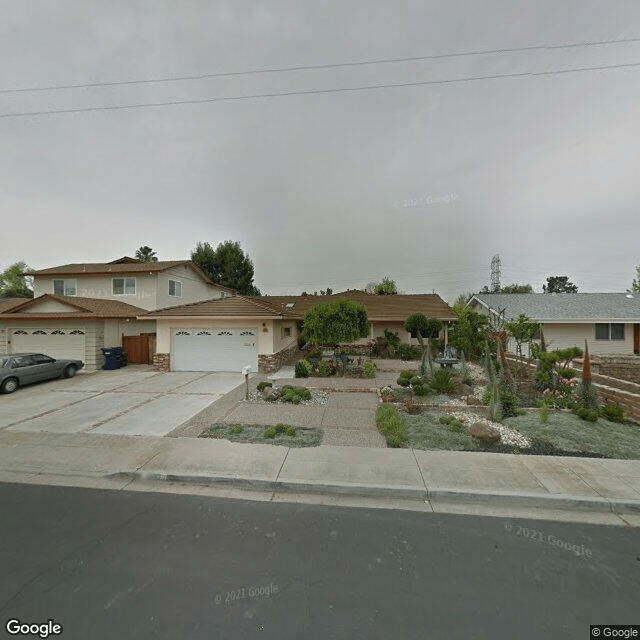
1051 Lynn Street, Livermore, CA 94550
For more information about senior living options: (866) 208-4318
A Gabriela's Villa-Livermore Costs & Pricing
At A Gabriela's Villa-Livermore, the monthly cost for a private room is $3,500, positioning it as a more affordable option compared to both Stanislaus County, where similar accommodations average around $3,754, and the broader California market, which sees private room rates climbing to approximately $3,939. This pricing reflects A Gabriela's commitment to providing quality care while remaining competitive within the regional landscape. Residents and their families can appreciate the combination of comfort and value that this facility offers in comparison to other options in the county and state.
| Floor plans | A Gabriela's Villa-Livermore | Stanislaus County | California |
|---|---|---|---|
| Private | $3,500 | $3,754 | $3,939 |
Assisted Living communities with a similar price nearby
-
from -$500 / mo
Laylor Care Home For The Elderly
$3,000 to $4,000 / month19.5 miles away -
from -$500 / mo

Palm Garden Home Care
$3,000 to $4,000 / month17.7 miles away -
About the same

An Oak Grove Manor
$3,400 to $3,800 / month22.5 miles away -
from +$500 / mo
Grace Garden
$4,000 to $5,000 / month24.8 miles away -
from -$500 / mo

Eden Assisted Living
$3,000 / month20.1 miles away
Overall Review of A Gabriela's Villa-Livermore
Pros
 The staff at Gabriela's Villa are friendly, attentive, and polite.
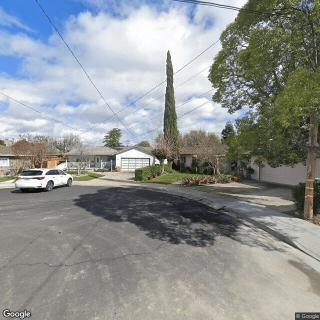
 - The facility is cozy, clean, and well kept with an inviting exterior.
- It feels like the Ritz and earns high recommendations from guests.
- Caregivers give residents the attention they need and form positive relationships.
- Dining and activities are engaging, with staff leading enjoyable social moments.
- The administration is responsive, open to suggestions, and provides regular updates to families.
Cons
 Activities are limited due to COVID.
- Visiting is restricted during the pandemic, with window or door visits and very short contact times.
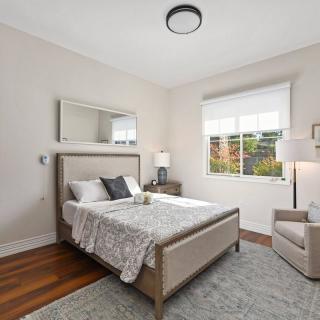
- The room is described as very small.
- The facility could not handle the diabetes needs of the resident’s mother, making it unsuitable for her.
- Outside guests cannot come in to participate in activities at present.
Review
A Gabriela's Villa-Livermore is best suited for seniors who want a tiny, home-like setting. The community caps residents at five, enabling rapid familiarity with staff and neighbors and a predictable, unhurried routine. Families seeking a calm, clean environment with genuine, attentive care will appreciate the intimate scale, the unobtrusive daily structure, and the sense that each resident is known by name. The ambiance is cozy and well kept, with an exterior that reinforces a residential feel rather than a clinical campus. It’s the kind of place where personal attention from caregivers translates into practical, day-to-day reassurance.
That intimacy comes with clear trade-offs. The small footprint and limited capacity mean the program is not a fit for residents who require heavy medical oversight or robust programming. Room sizes are compact, more like a private bedroom than a full-suite, and some families will want more privacy or space. One reviewer flagged diabetes management as a mismatch for this setting, which underscores a broader reality: aides and routines here work best for steady, moderate care rather than complex, medicalized needs. For seniors who rely on frequent therapy, specialized diets, or expanded social activities, alternatives with larger campuses and stronger medical supports will feel more appropriate.
Nevertheless, the core strength is clearly the caregiving relationship. Staff are described as friendly, polite, and consistently attentive, with caregivers who quickly adapt to a resident’s changing needs. One family notes that two young male caregivers formed a good, dependable rapport with their loved one, delivering a level of personal engagement that can be hard to find in bigger facilities. Cleanliness and a refreshing smell add to a sense of daily well-being, while meals meet expectations and residents can dine together. In short, the human element, the daily interactions, the reliability of care, often makes up for other limitations.
Programming matches the intimate scale: residents participate in simple activities led by staff, such as singing or light movement, cards, and shared meals. The setting supports quick recognition of mood changes and health shifts, and staff responsiveness can be a practical advantage for families seeking peace of mind. Yet the breadth of activities and the sense of a bustling community are naturally limited by the house’s size. For families prioritizing a vibrant, expansive activity calendar or strong outside engagement, this home may feel too quiet or restrictive compared with larger assisted-living options.
Financially, the board-and-care model is described as very reasonable for the level of care provided, which compounds the appeal for families prioritizing predictability and value. The upside of the small, home-like environment is a comparatively straightforward, less overwhelming daily life. However, the mismatch between medical complexity and the setting, together with modest living space, means not every resident will fit. Prospective residents should weigh whether the desire for close staff attention and a calm, predictable routine outweighs the need for more room, more diverse programming, and greater medical oversight. This is a practical trade-off, not a deficiency, and the choice hinges on the resident’s specific care profile.
Bottom line: A Gabriela's Villa-Livermore excels for seniors who thrive in a tiny, personal-care-focused environment and for families seeking a reasonable price with reliable, nestled attention. It’s a strong option when the priority is routine, familiarity, clean surroundings, and a staff that knows residents well. For those with complex medical needs, diabetes management requirements, or a desire for a busier, more expansive program, alternatives warrant serious consideration. The community earns credible confidence where the resident’s needs align with a calm, intimate setting and where family involvement is welcomed and straightforward. When those conditions hold, this home-like option earns a solid recommendation.
 6 resident community capacity
 Assisted Living
 Board and Care Home
 Cats allowed
 Dogs allowed
 Activities off-site
 Bath tubs
 Beautician on-site
 Cable or satellite TV
 Devotional services off-site
 Dining room
 Fully furnished
 Garden
 Housekeeping services
 Indoor common areas
 Move-in coordination
 Outdoor common areas
 Private
 Respite or short term stays offered
 Telephone
 Wheelchair accessible showers
 Wi-Fi/high-speed internet available
 San Jose International (25 miles away)
 24-hour supervision
 Assistance with bathing
 Assistance with dressing
 Assistance with transfers
 Diabetes diet
 Diabetic care
 High acuity care
 Incontinence care
 Meal preparation and service
 Medication management
 Special dietary restrictions
 Transportation arrangement (medical)
 Transportation to doctors appointments
 Adventist services
 Buddhist services
 Islamic services

 When to Transition from Assisted Living to Memory Care: Key Indicators, Steps, and Finding the Right Community
 Assisted Living and Memory Care: Understanding Their Core Differences
 Beyond the Bingo Hall: 50+ Enriching Activities for Seniors in Assisted Living