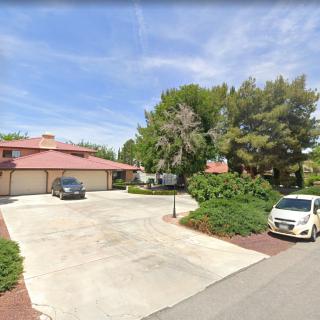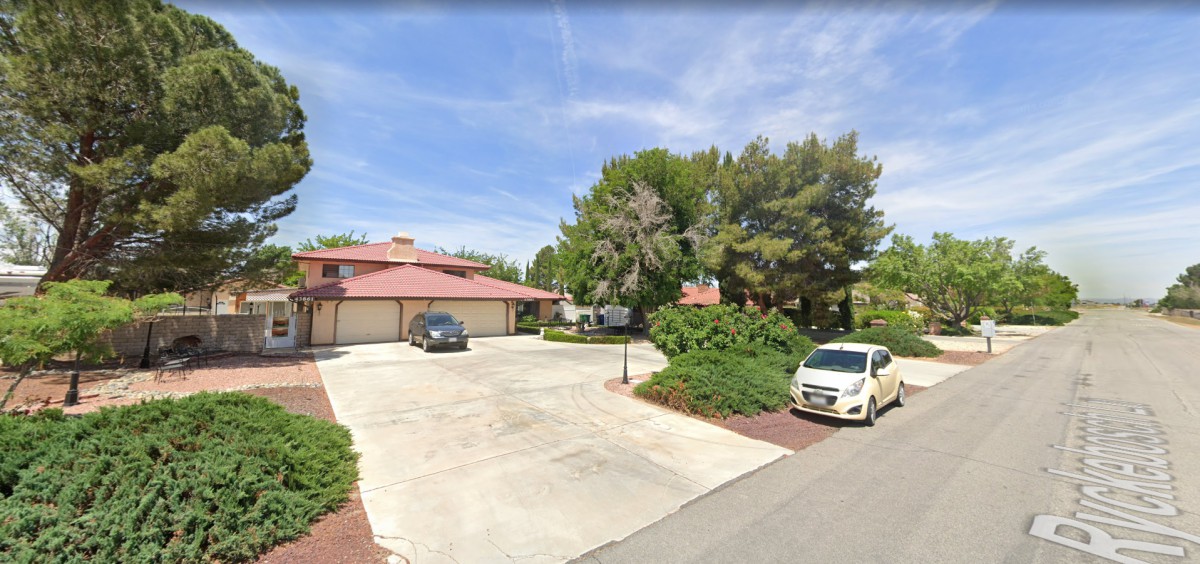
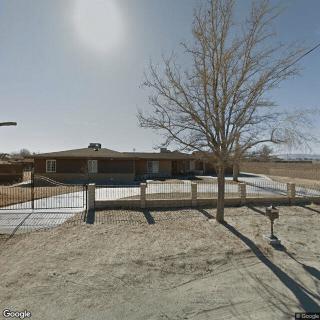
43861 Ryckebosch Lane, Lancaster, CA 93535
For more information about senior living options: (866) 208-4318
Overall Review of Sarah's Care Home
Pros
 They treated her with dignity and respect.
- Her final years were spent at Sarah's Care Home.
- They are very grateful they found Sarah's Care Home.
Review
Sarah's Care Home in Lancaster is best suited for families facing dementia-care decisions who want a small, home-like setting where residents are treated with dignity and respect. The single account centers on a mother-in-law whose final years were guided by compassionate, person-centered care. For families prioritizing warmth, familiar routines, and a setting that emphasizes the human side of caregiving over clinical polish, this community offers a natural fit. It appeals to those who want to see steady, respectful interactions as a core operating principle rather than a wide menu of services. In short, it suits those who measure success by the quality of daily caregiving relationships.
Alternatives should be considered when the decision hinges on more than dignity and respect: if medical complexity requires constant, on-site nursing oversight, a larger community with formal memory-care certification may be preferable. Families seeking robust programming, extensive activity schedules, transportation, or hospital-grade monitoring might look elsewhere. If geographic convenience or a broader continuum of care (independent to skilled nursing) is critical, exploring other options is prudent. In sum, anyone needing aggressive clinical intervention, rapid emergency response, or a highly structured memory-care program should compare with facilities that explicitly report those capabilities.
The strongest pro here is the demonstrated commitment to dignity and respect in dementia care. The family’s gratitude points to consistent, compassionate treatment that honors personal history and avoids treating residents as anonymous cases. That relational strength often translates into calmer days and easier cooperation with care routines for residents who may resist help. In a dementia context, such an environment can reduce agitation, support safety, and foster trust between residents and caregivers. Those factors are not merely pleasant extras; they can materially affect daily life quality and overall stability for both resident and family.
With only one positive review, there is a limited picture of the community's broader offerings. No information is available about staffing ratios, on-site nursing availability, or specific dementia-program features (structured activities, memory-stimulating therapies, or safety systems). No explicit data on cost, contract terms, or long-term care planning is provided. Potential concerns families commonly evaluate, emergency response times, coordination with outside medical providers, transportation, and crisis management, remain unverified. In short, the care philosophy is clear and appealing, but operational details require direct confirmation.
The dignity-centered approach can offset the unknowns for families who place emotional safety and human connection at the top of the list. When the priority is a caregiver team that treats residents as individuals with memory histories, that alignment often reduces turnover and confusion for the resident. For dementia-specific decisions, that relational foundation is a critical asset that can compensate for less visible strengths like program breadth. However, if the resident requires complex medical oversight or a dense activity calendar, the lack of published data on those aspects means the pros may not fully neutralize the cons.
Bottom-line guidance: Sarah's Care Home presents a compelling option for families who value compassionate, dignity-first dementia care in a small community setting. It is less clearly the right choice for those demanding aggressive medical oversight, extensive memory-care programming, or a large, highly structured facility. The favorable care ethos is a strong asset, while the informational gaps should be addressed through direct inquiry. A visit with structured questions about staffing, medical oversight, and individualized care planning is essential, followed by conversations with current families or residents’ representatives. If those conversations confirm satisfactory answers, this community offers a trustworthy home where dignity and daily life matter most.
 6 resident community capacity
 Assisted Living
 Board and Care Home
 Cable or satellite TV
 Dining room
 Fully furnished
 Garden
 Housekeeping services
 Move-in coordination
 Outdoor space
 Telephone
 Wi-Fi/high-speed internet available
 24-hour supervision
 Activities of daily living assistance
 Assistance with bathing
 Assistance with dressing
 Assistance with transfers
 Diabetes diet
 Meal preparation and service
 Medication management
 Special dietary restrictions
 Transportation arrangement (medical)
 Transportation to doctors appointments



 Social Security Benefits and Assisted Living: Navigating Options Across the U.S.
 An Extensive Exploration of the VA Aid and Attendance Benefit
 Senior Transition Services: Understanding Their Role, Cost, and Importance