
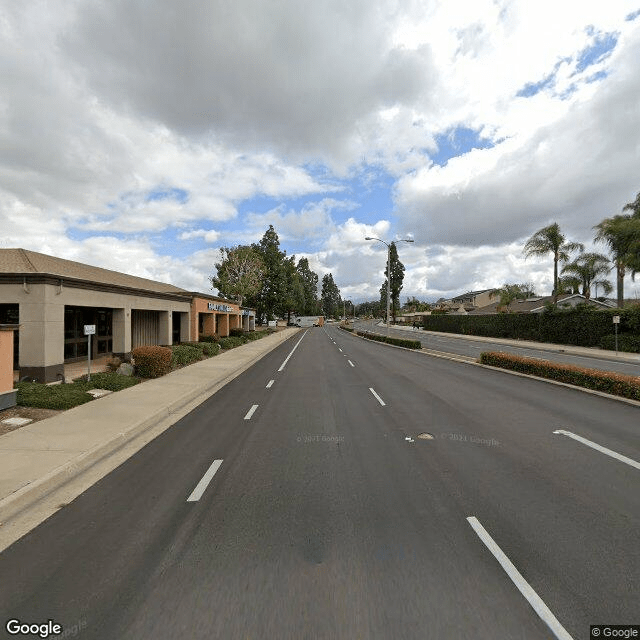
22841 Ridge Route Drive, Lake Forest, CA 92630
For more information about senior living options: (866) 208-4318
The Royal Inn II Costs & Pricing
The Royal Inn II presents competitive pricing for its accommodations, particularly when compared to broader benchmarks in Orange County and California. For private rooms, The Royal Inn II charges $3,500 per month, which is notably lower than the county's average of $4,104 and slightly more than the state average of $3,939. Similarly, its semi-private rooms are offered at the same monthly rate of $3,500, which exceeds the county's average of $3,431 and aligns closely with California's overall average of $3,333. These pricing structures highlight The Royal Inn II's commitment to providing value while ensuring a comfortable living environment amidst rising costs in the region.
| Floor plans | The Royal Inn II | Orange County | California |
|---|---|---|---|
| Private | $3,500 | $4,104 | $3,939 |
| Semi-Private | $3,500 | $3,431 | $3,333 |
Assisted Living communities with a similar price nearby
-
from +$495 / mo
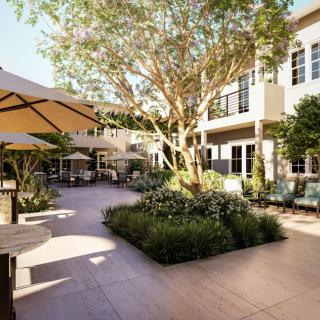
Cadence Brea
$3,995 to $5,500 / month22.5 miles away -
About the same
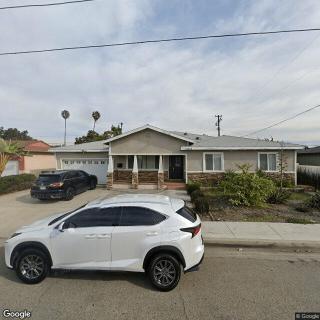
Loving Home Care
$3,500 to $4,500 / month19.4 miles away -
from -$500 / mo
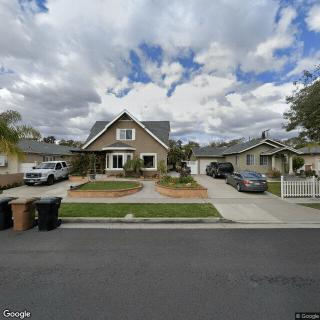
Tabi's Facility Home Care
$3,000 to $3,500 / month22.2 miles away -
About the same

Sam's Homecare
$3,500 to $5,500 / month19.6 miles away -
About the same
Golden Life Manor
$3,500 to $4,000 / month17.7 miles away
Overall Review of The Royal Inn II
Pros
 Royal Inns II is a smaller facility with three staff members and six available rooms, and is one of the nicest boarding room places.
- It features a fairly large living room, a side room, and a dining room facility.
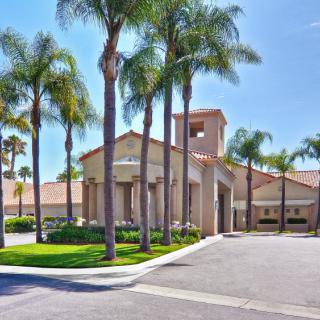
- It has a nice kitchen, nice grounds, a place to walk, and is alongside a lake.
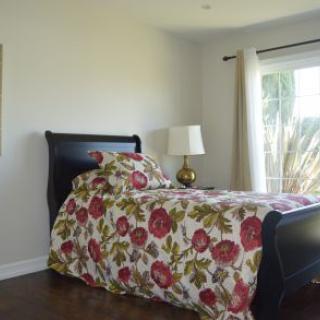
- It is clean, very bright, and warm, giving an airy and comfortable feel.
- The director is very friendly and very helpful.
Review
The Royal Inn II in Lake Forest is best suited for seniors who want an intimate, home-like setting where personal attention comes first. This is a compact, small-crew operation, three staff members serving six rooms, that rewards residents with frequent, direct contact and genuine familiarity. The environment is clearly designed for ease of living: a large living area, a dedicated dining space, a well-equipped kitchen, and grounds that invite gentle strolls along a lake. The overall vibe is bright, clean, and warm, with a director who is described as friendly and helpful. For families seeking a predictable, low-traffic atmosphere where residents are known by name, this facility fits like a tailored, high-touch glove.
Those who may want to consider alternatives are families prioritizing a broader care continuum or more robust daily programming. The small staffing model and limited room count suggest that residents with substantial medical needs or requiring intensive supervision may find coverage uneven at times. Prospective residents who expect frequent on-site therapies, extensive medication management, or round-the-clock nursing support should assess whether six rooms and a lean team can reliably meet evolving requirements. In short, this setting excels where care needs are relatively steady and social life is strongly person-centered, not where care intensity or diversified services define the day.
The strongest pros here are precisely what the setting promises: a personal touch and a genuinely homelike atmosphere. The facility’s architecture, ample common spaces, a bright kitchen, and a lake-adjacent footprint, creates an airy, comforting backdrop that reduces the sense of institutional confinement. Residents are likely to enjoy quieter days with predictable routines, facilitated by staff who know their preferences. The director’s warmth and readiness to assist sharpen the sense that family members aren’t relegated to forms and queues but are treated as partners in care. These dynamics often translate into happier, more engaged seniors who want to stay in place longer.
On the flip side, the main constraints stem from scale. With only three staffers and six rooms, staffing coverage can become tight during peak activity periods or holidays, and the pool of available programming may be more modest than at larger communities. This translates into potentially fewer choices for activities, limited on-site therapy options, and slower responsiveness during high-demand moments. The setting’s advantages, intimacy, warmth, and easy navigation, can still deliver excellent quality of life, but families should realistically align expectations with what a small operation can sustain day-to-day.
For families evaluating options, treat Royal Inn II as a fit when the priority is a snug, highly personalized environment rather than a full-service, all-encompassing care campus. Before deciding, verify how staffing coverage maps to daily needs, understand what is included in meals and housekeeping, and probe what happens on evenings and weekends. Confirm the availability of transportation, social activities, and any needed assistance with medications or mobility, then weigh these against what larger, more staffed communities offer. This facility rewards discretion and warmth with steady companionship, but it requires acceptance of a leaner care footprint in exchange.
In sum, The Royal Inn II delivers a distinctly warm, lakeside living experience that feels more like a private residence than a typical assisted-living campus. It stands out for residents who prize personal attention, a bright, uncluttered environment, and direct access to staff who know and anticipate their preferences. It is not the right choice for those whose care needs demand extensive medical oversight, a broad menu of therapies, or a heavy calendar of structured programming. For families seeking a comfortable, intimate option where quality of life and human connection lead, this community is a strong, practical recommendation.
 6 resident community capacity
 Assisted Living
 Board and Care Home
 Cats allowed
 Dogs allowed
 Activities off-site
 Cable or satellite TV
 Dining room
 Fully furnished
 Garden
 Housekeeping services
 Indoor common areas
 Move-in coordination
 Outdoor common areas
 Private
 Telephone
 Wi-Fi/high-speed internet available
 John Wayne Orange Co (10 miles away)
 24-hour supervision
 Assistance with bathing
 Assistance with dressing
 Assistance with transfers
 Diabetes diet
 Meal preparation and service
 Medication management
 Special dietary restrictions
 Transportation arrangement (medical)
 Transportation to doctors appointments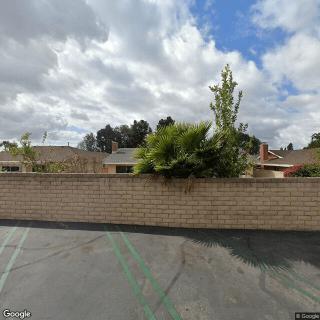


 Comprehensive Insights into Activities of Daily Living (ADLs) and Their Assessment
 Medicare Coverage for Assisted Living: An In-Depth Exploration
 Choosing the Right Senior Care: A Detailed Exploration of Assisted Living and Nursing Homes