The Oasis offers a competitive pricing structure for its private rooms, set at $2,900 per month. This rate stands in stark contrast to the average costs found in Orange County, where private room rates reach approximately $4,104, and even more so compared to the broader California average of $3,939. The Oasis provides a more affordable option while maintaining quality care and comfortable living arrangements. This makes it an attractive choice for individuals seeking value without compromising on standards in a region known for its higher costs of living.
Floor plans
The Oasis
Orange County
California
Private
$2,900
$4,104
$3,939
Assisted Living communities with a similar price nearby
Residents consistently describe staff as friendly, caring, and quick to respond.
Many residents and family members say the staff is welcoming and treats people like individuals rather than numbers. Several reviews highlight day-to-day attentiveness, including responsiveness when questions come up or problems need fixing. A few reviews also mention staff support through major care changes, like moving into assisted living or skilled nursing. There is also at least one very negative review alleging neglect and denial of care during a family member’s final period.
common9 reviews mention this
Activities keep residents engaged
Residents describe an active lifestyle with scheduled activities and outings.
Reviewers mention being able to stay as social or as private as they want while still having plenty to do. Multiple reviews call out community activities and exercise, plus opportunities to meet friends. Transportation and outings also come up, including bus and car rides to appointments and local destinations. One resident specifically mentions enjoying playing music with others and making new connections.
common6 reviews mention this
Food gets frequent high marks
Meals are a standout, with residents and families praising the quality and variety.
Several reviews highlight the dining experience as a strong point, with comments about great food and meals that rate highly day to day. Families also mention enjoying the dining room and note that meals can be a reliable part of daily life. In rehabilitation and assisted living contexts, reviews describe meals as attractive and offering choices in advance. The community also lists dietary-focused dining for special needs, including diabetes diet and special dietary restrictions.
differentiator6 reviews mention this
Care support spans assisted living
Residents describe hands-on support through assisted living and higher-acuity transitions.
Reviews mention assisted living experiences alongside other levels of care when needs change, including memory care support after a dementia diagnosis and skilled nursing after a fall. One family describes a rehabilitation stay and a move within the community for the next step, with nursing continuing to support medications and coordination. Another review mentions that nursing and memory care are available on premises, while describing an activity program in parallel. Overall, families describe the staff as involved during transitions rather than leaving them to manage alone.
common2 reviews mention this
Facility spaces feel clean
Residents mention clean, well-kept shared spaces and hallways.
A couple of reviews specifically comment on cleanliness, including a lobby that feels inviting and hallways that are tidy and decorated. Another review also points to a well-managed, clean environment when discussing care areas. These comments align with residents’ broader emphasis on comfort and day-to-day upkeep.
How we summarize
Counts show how many written reviews mention each theme; a review can touch several themes, and only frequently mentioned themes are displayed.
Features
Housing
6 resident community capacity
Types of Care
Assisted Living
Amenities
Cable or satellite TV
Dining room
Fully furnished
Garden
Housekeeping services
Move-in coordination
Outdoor space
Telephone
Wi-Fi/high-speed internet available
Transportation
John Wayne Orange Co (11 miles away)
Care Services
24-hour supervision
Activities of daily living assistance
Assistance with bathing
Assistance with dressing
Assistance with transfers
Coordination with health care providers
Diabetes diet
Meal preparation and service
Medication management
Special dietary restrictions
Transportation arrangement (medical)
Transportation to doctors appointments
Dining
Diabetes diet
Special dietary restrictions
Activities
Community-sponsored activities
Scheduled daily activities
Nearby Places of Interest
Pharmacies
CVS Pharmacy (0.4 miles)
CVS Pharmacy (1 miles)
Rite Aid (1.9 miles)
CVS Pharmacy (2.3 miles)
CVS Pharmacy (2.4 miles)
Walgreens (2.6 miles)
CVS Pharmacy (2.6 miles)
Restaurants
The Village Hookah Lounge (0.6 miles)
In-N-Out Burger (0.6 miles)
Raising Cane's Chicken Fingers (0.7 miles)
Farmer Boys (0.7 miles)
Chick-Fil-A (0.7 miles)
Natraj Cuisine of India (0.8 miles)
19 Restaurant And Lounge (1.8 miles)
Physicians
Saddleback Medical Group (0.8 miles)
South County Orthopedic Specialists (1.8 miles)
Mission Pain & Spine (3 miles)
Advanced Eye Medical Group (3.9 miles)
Leon Joseph Baginski (3.9 miles)
Community Orthopedic Medical Group (4 miles)
Mission Hospital Mission Viejo (4 miles)
Cafes
Kona Loa Coffe (1.1 miles)
The Alley (3.9 miles)
Starbucks (4.1 miles)
Starbucks (4.6 miles)
Hospitals
Palm Terrace (1.2 miles)
South Coast Medical Center For New Medecine (2.9 miles)
The Oasis offers a competitive pricing structure for its private rooms, set at $2,900 per month. This rate stands in stark contrast to the average costs found in Orange County, where private room rates reach approximately $4,104, and even more so compared to the broader California average of $3,939. The Oasis provides a more affordable option while maintaining quality care and comfortable living arrangements. This makes it an attractive choice for individuals seeking value without compromising on standards in a region known for its higher costs of living.
Vibrant Senior Living emphasizes active senior living communities that promote independence and engagement through diverse amenities and activities, fostering wellness and social interaction among older adults. These communities range from independent to assisted living, with a focus on personal growth, family involvement, financial planning, and leveraging technology to enhance residents' experiences.
Transitioning from assisted living to memory care is driven by an individual's cognitive decline and specific needs, requiring careful evaluation of indicators like increased confusion and wandering. The process involves consulting medical professionals, researching suitable communities, considering financial and legal aspects, and ensuring effective communication for personalized care plans.
Assisted living provides moderate support for seniors seeking independence, while memory care offers specialized support for individuals with dementia or cognitive impairments through structured routines and trained staff. Key differences include care approaches, environment security measures, staff training levels, activity types, and cost considerations.
Get PricingAsk A QuestionSchedule A TourContact Senior Advisor
By clicking submit, you agree to our Partner's Terms of Use. You
also consent to receive calls and texts, which may be autodialed, from our Partner. Your consent is not a condition to
using our Partner's service. Please visit our Partner's Privacy Policy for information about their privacy practices.

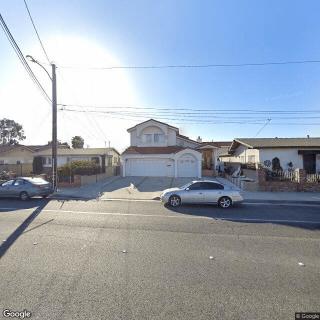
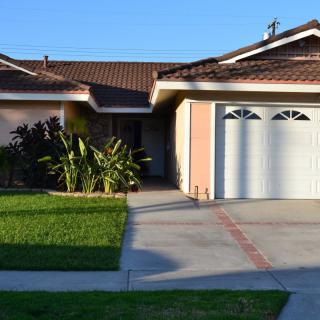
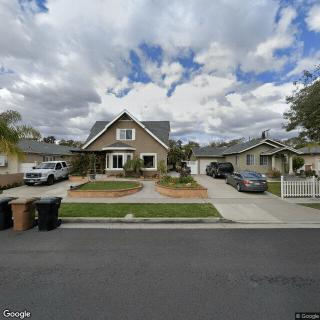
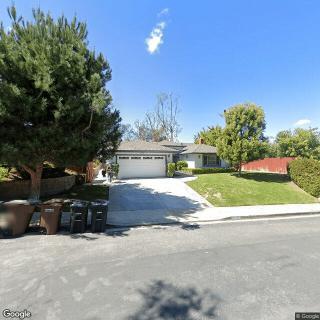
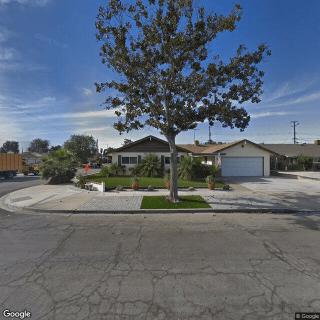
 6 resident community capacity
 Assisted Living
 Cable or satellite TV
 Dining room
 Fully furnished
 Garden
 Housekeeping services
 Move-in coordination
 Outdoor space
 Telephone
 Wi-Fi/high-speed internet available
 John Wayne Orange Co (11 miles away)
 24-hour supervision
 Activities of daily living assistance
 Assistance with bathing
 Assistance with dressing
 Assistance with transfers
 Diabetes diet
 Meal preparation and service
 Medication management
 Special dietary restrictions
 Transportation arrangement (medical)
 Transportation to doctors appointments
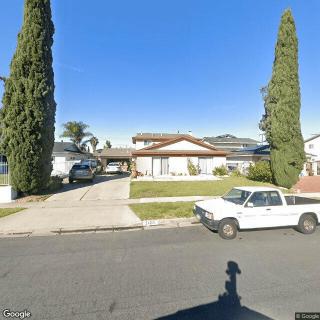
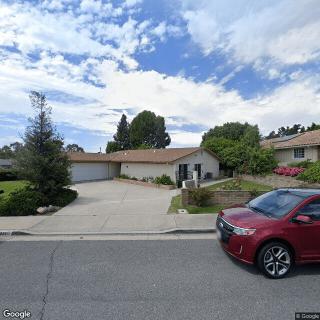
 Luxurious setting with comprehensive care, furnished suites, dining, housekeeping, and move-in coordination.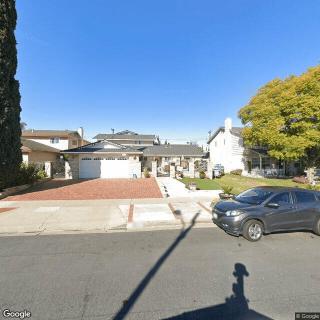
 Vibrant Senior Living: A Comprehensive Guide for Active Older Adults
 When to Transition from Assisted Living to Memory Care: Key Indicators, Steps, and Finding the Right Community
 Assisted Living and Memory Care: Understanding Their Core Differences