
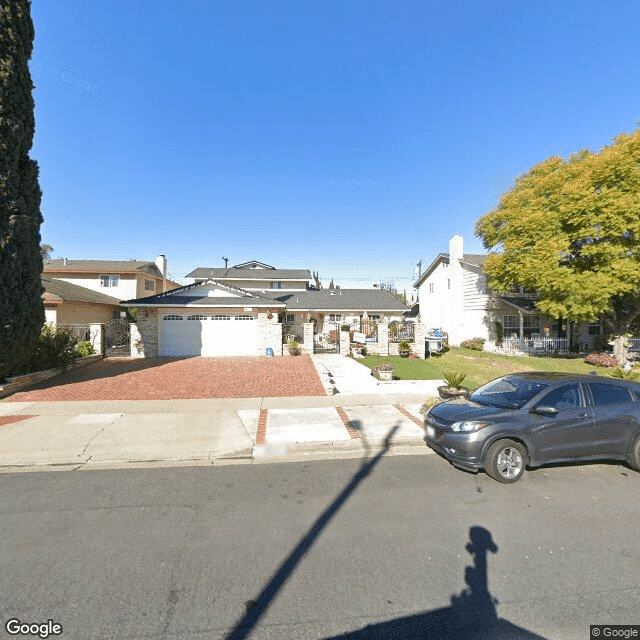
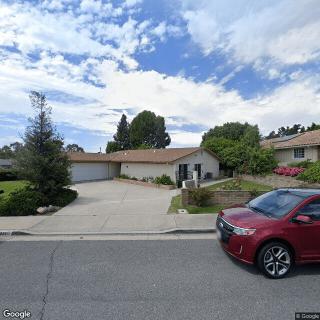
24251 Bark St, Lake Forest, CA 92630
To contact a resident: (949) 951-1433
For more information about senior living options: (866) 208-4318
Otilia's Board & Care Home Costs & Pricing
At Otilia's Board & Care Home, the monthly cost for a private room is set at $4,000. This rate positions the facility competitively within Orange County, where similar accommodations average around $4,104 per month. When compared to the broader California state average of $3,939 for private rooms, Otilia's pricing reflects a commitment to providing quality care in a supportive environment that meets local needs. Overall, residents can expect not only value but also personalized attention that enhances their living experience.
| Floor plans | Otilia's Board & Care Home | Orange County | California |
|---|---|---|---|
| Private | $4,000 | $4,104 | $3,939 |
Senior living communities with a similar price nearby
-
About the same
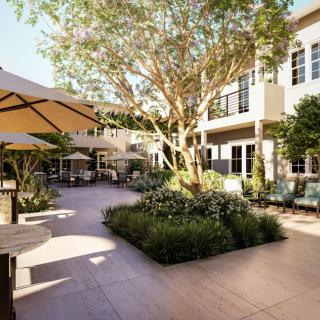
Cadence Brea
$3,995 to $5,500 / month23.8 miles away -
from -$500 / mo
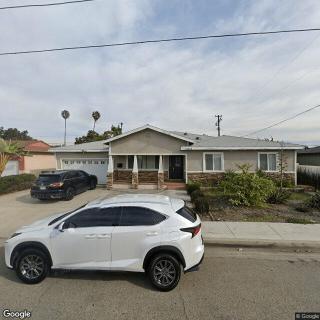
Loving Home Care
$3,500 to $4,500 / month20.5 miles away -
About the same
Loving Care Facility for the Elderly
$4,000 to $5,975 / month23.7 miles away -
from -$500 / mo
Kun Bai Care
$3,500 to $4,500 / month24.3 miles away -
from -$500 / mo

Sam's Homecare
$3,500 to $5,500 / month20.9 miles away
Overall Review of Otilia's Board & Care Home
Pros
 They took such good care of her and made her feel like part of the family.
- The mom was very happy there.
- They were kind to the family and to her.
- They keep the facility clean and safe.
- They treat residents like family in a warm, family‑oriented setting.
- They accommodated visits during COVID, including patio visits with masks at a distance.
- They helped her with her iPad so she could feel connected with loved ones.
Review
Otilia's Board & Care Home in Lake Forest is best suited for seniors who prize a low-key, home-like setting and deeply personalized attention. It excels for residents recovering from minor health events, such as small strokes or a fall, where constant supervision and a genuine sense of belonging make a tangible difference. In this community, residents are treated as part of a family, and caregivers collaborate closely with families to maintain a daily rhythm that feels like home. For relatives, the ability to reach the owner and staff easily and to see a resident engaged in ordinary life matters, providing reassurance and connection, is a substantial convenience.
Those who may want alternatives are clear: mainline medical intensity and memory-care specialization are not the core strengths of a small board-and-care operation. A loved one requiring around-the-clock clinical oversight, complex medication management, or a dedicated memory-care environment with structured, protocol-driven programming may be better served by a larger facility with on-site nursing and broader specialty services. Similarly, families seeking a broad calendar of social activities, diverse enrichment therapies, or more expansive campus amenities may find a different setting offers more of what they want.
The strongest advantages, an intimate, family-oriented culture, and highly accessible communication, readily offset the trade-offs of scale. The owner and caregivers are approachable, and family members report regular, open contact that reduces stress and uncertainty. This personal touch translates into consistent, attentive care that often surpasses what is possible in larger communities. The home atmosphere also supports cleanliness and safety as a daily baseline; with fewer residents, the environment is easier to supervise, staff can tailor routines, and residents tend to feel secure and known, which can accelerate recovery and compliance with care plans.
Care delivery in practice reinforces these strengths. Reviews highlight a environment where staff are responsive to residents and flexible with family involvement, creating a sense of partnership in care. The emphasis on making residents feel welcome and valued, together with practical supports, such as assistance with devices to keep in touch with loved ones, adds up to a reassuring, low-stress living experience. A clean, well-maintained setting further mitigates common concerns about smaller care homes, reinforcing safety and comfort for someone rebuilding after a health setback.
For families evaluating options, practical steps matter. Prospective residents’ planners should inquire about staffing patterns and ratios, how medications are managed, and how care plans are coordinated with external medical providers. It is essential to understand emergency protocols, visiting flexibility, and the process for incorporating family input into daily routines. Asking for references from families with residents at similar care levels can illuminate consistency between impression and daily life, while confirming accessibility of updates and ongoing communication will help determine long-term fit.
Bottom line: Otilia's Board & Care Home offers a compelling proposition for families seeking warmth, transparency, and a hands-on, home-like environment for an elder who benefits from acute attention and daily reassurance. It delivers real value through easy communication, a clean, safe living space, and a resident-first approach that can deliver peace of mind for loved ones. Yet, the model is inherently less equipped for high-intensity medical needs, large-scale social programming, or comprehensive memory-care services. When those factors are not the priority, and the goal is a trusted, intimate setting where caregivers know the resident and the family, this community often stands out as the right choice.
 Board and Care Home
 Private
 John Wayne Orange Co (11 miles away)
 Ambulatory care
 Financing Long-Term Nursing Home Care Through Social Security: A Thorough Exploration
 Essential Knowledge on Pneumonia in Older Adults
 Exploring Palliative Care in the Home: A Comprehensive Overview