
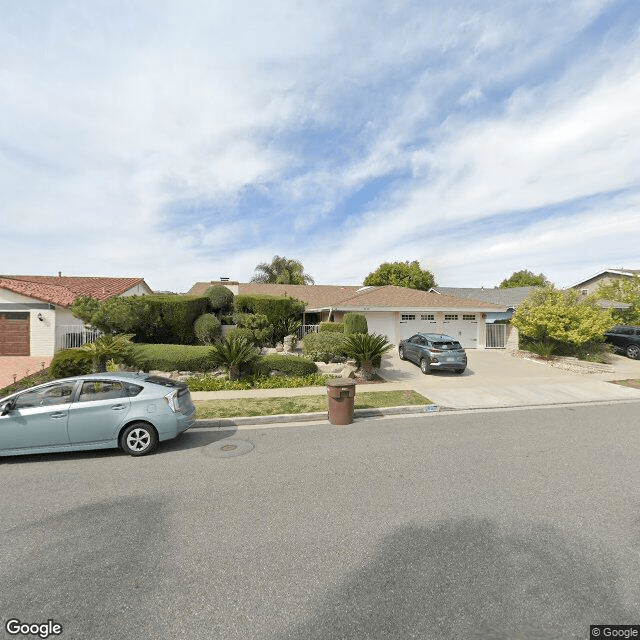
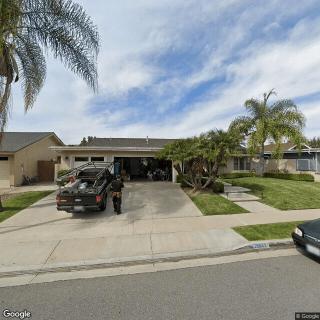
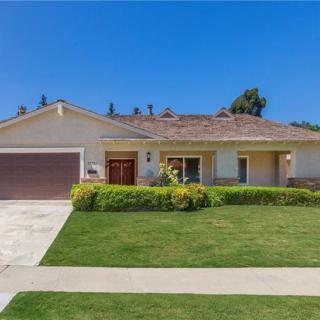
29631 Ivy Glenn Drive, Laguna Niguel, CA 92677
For more information about senior living options: (866) 208-4318
Pacific Breeze Home II Costs & Pricing
Pacific Breeze Home II offers competitive pricing for its residential care services, particularly when compared to both Orange County and the broader California market. For semi-private rooms, residents will find a monthly cost of $3,300, which is slightly lower than the Orange County average of $3,431 and aligns closely with the state average of $3,333. When it comes to private accommodations, Pacific Breeze Home II's rate of $4,500 is higher than both the Orange County rate of $4,104 and the California average of $3,939. This pricing structure suggests that while semi-private options are attractively priced, potential residents should consider their budget and preferences when selecting private living arrangements at this facility. Overall, Pacific Breeze Home II positions itself as a viable option in the local care landscape.
| Floor plans | Pacific Breeze Home II | Orange County | California |
|---|---|---|---|
| Semi-Private | $3,300 | $3,431 | $3,333 |
| Private | $4,500 | $4,104 | $3,939 |
Assisted Living communities with a similar price nearby
-
from +$200 / mo
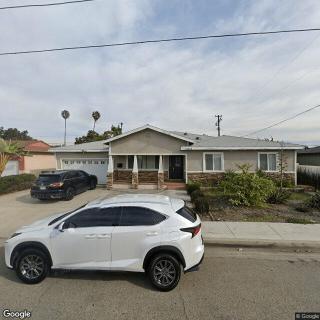
Loving Home Care
$3,500 to $4,500 / month23.1 miles away -
from -$500 / mo
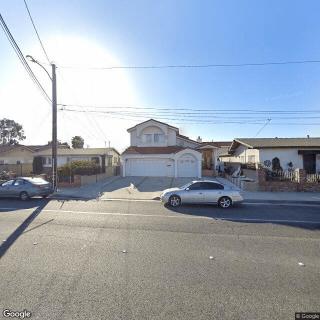
Leah Loving Elderly Care
$2,800 to $3,000 / month18.3 miles away -
from -$600 / mo
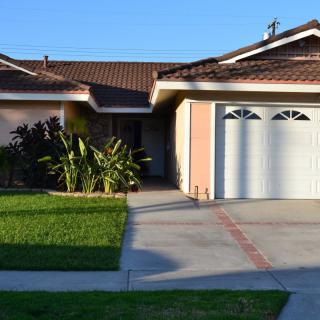
Loving Care Senior Home
$2,700 to $3,500 / month18.3 miles away -
from +$200 / mo
Golden Life Manor
$3,500 to $4,000 / month23.2 miles away -
from -$300 / mo
Seasons At Laguna - 2
$3,000 / month1.5 miles away
Overall Review of Pacific Breeze Home II
Pros
 The caregivers at Ivy Glenn Terrace make families feel at ease and relieved that their loved one is safe and in good hands.
- The home is clean and nice, giving families confidence they could live there with their loved one.
- Matt and his staff of caregivers are attentive and reassuring, providing peace of mind to those who care about someone.
- The overall experience earns five-star praise from families.
Cons
 The facility is described as a "House of Horrors!"
- It has an absentee licensee and an uninterested COO.
- There is high staff turnover.
- There is no training.
- The food is terrible.
- There are no activities.
Review
Pacific Breeze Home II in Laguna Niguel is best suited for families prepared to take a very hands-on role in care decisions. The available feedback points to governance and staffing vulnerabilities: an absentee licensee and COO, frequent staff turnover, and gaps in training. For a senior who requires dependable supervision, predictable daily routines, and a varied activities slate, this community will demand active family oversight, frequent on-site visits, and rapid problem solving. In short, this option works only for households that can dedicate substantial time and energy to ongoing monitoring and governance.
Those who should consider alternatives include seniors with complex medical needs, those who rely on consistently trained caregivers, and families seeking predictable programming. The documented lack of training and the absence of structured activities create real risk of care gaps, especially during shift changes or quieter hours. In contrast, communities with stable leadership and engaged staff tend to deliver smoother transitions, higher caregiver morale, and more resident engagement. Local examples, such as Ivy Glenn Terrace in similar discussions, illustrate what attentive leadership and reliable caregiving can look like, providing quiet reassurance to families that a loved one is safe and actively cared for. Evaluating Pacific Breeze against those benchmarks is essential.
Pros are notably scarce in the available feedback, and the main cons are grave: absentee leadership, high staff turnover, insufficient staff training, poor meals, and a lack of structured activities. Without a strong administrator actively overseeing operations, those weaknesses tend to compound, leading to inconsistent care and gaps in daily life. The absence of documented compensating strengths means the negatives dominate the narrative, making it difficult to justify choosing this community over alternatives that show more stable governance and more reliable programming.
For families evaluating Pacific Breeze, practical steps matter. Request a meeting with the on-site administrator and licensee to gauge responsiveness and accountability. Ask for current staffing ratios, turnover data, and a formal training program outline, plus sample menus and any dietary accommodation policies. Review the activity calendar and observe a session to assess resident engagement. Inspect the facility at different times of day to gauge consistency. Pull state licensing records, read inspection reports, and speak with current residents or family members about their experiences. If possible, arrange a short-term stay or respite to test daily life before making a longer commitment.
Changes that would tilt the decision center on governance and consistency. A visible, accessible administrator, a vetted caregiver team with up-to-date training, and a structured activity program that meets resident interests are nonnegotiables. Food quality and meal planning should show regular updates and options, not reliance on basic offerings. Transparent communication with families, predictable updates and proactive calls about changes in care, would also weigh heavily. If the community can demonstrate improved staffing stability and leadership accountability within a defined timeframe, the calculus could shift; otherwise, the risk of care gaps remains too high for families to rely on without ongoing oversight.
Bottom line: Pacific Breeze Home II poses significant red flags for families who need reliable daily care and consistent staff. It is not a first choice for those hoping to move a loved one into a setting with predictable routines, robust programming, and steady leadership. The prudent path is to compare this community against alternatives with proven governance and engaged caregiving, including local options reputed for continuity and meaningful activity offerings. If Pacific Breeze remains under consideration, approach with a concrete plan: insist on a transparent governance structure, enforceable staffing commitments, and a scheduled, evaluative check-in process. Only then can a true fit be determined.
 6 resident community capacity
 Assisted Living
 Board and Care Home
 Activities off-site
 Cable or satellite TV
 Dining room
 Fully furnished
 Garden
 Housekeeping services
 Move-in coordination
 Outdoor space
 Private
 Telephone
 Wi-Fi/high-speed internet available
 John Wayne Orange Co (13 miles away)
 24-hour supervision
 Assistance with bathing
 Assistance with dressing
 Assistance with transfers
 Diabetes diet
 Diabetic care
 High acuity care
 Incontinence care
 Meal preparation and service
 Medication management
 Special dietary restrictions
 Transportation arrangement (medical)
 Transportation to doctors appointments



 Understanding Medicaid Coverage for Assisted Living: A Comprehensive Guide
 How and When Medicaid May Cover Assisted Living Costs
 A Detailed Exploration of Assisted Living Medicaid Waivers Across the United States