
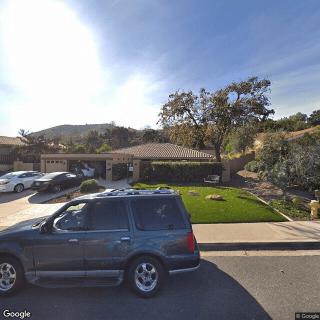
31141 Casalero Drive, Laguna Niguel, CA 92677
For more information about senior living options: (866) 208-4318
Overall Review of Monarch Summit II
Pros
 The care and quality of assistance at Allegiant is phenomenal.
- All staff members, including therapists, provided excellent care in looking after her.
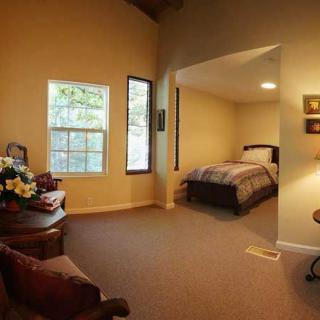
- The rooms are single rooms and are exceptionally well maintained, contributing to high-quality health care and patient comfort.
- The staff are thanked for taking care of her and delivering exceptional care.
Review
Monarch Summit II in Laguna Niguel is best suited for families seeking a high-touch, clinically oriented environment where a coordinated team delivers substantial assistance and rehab, with a clear emphasis on private accommodations. The review indicates a four-month post-acute experience in the Allegiant program, underscoring a setting where consistent, attentive care from nurses, aides, and therapists can drive recovery and comfort. Private single rooms are highlighted as a standout feature, described as exceptionally maintained and conducive to delivering quality health care while keeping residents comfortable. For a loved one who needs ongoing supervision, along with rehabilitation and daily hands-on support, this community presents a compelling fit.
Those who may want to consider alternatives are families prioritizing greater independence, a more social or activity-rich atmosphere, or lower ongoing costs. If a loved one’s preference leans toward a less medicalized vibe, stronger emphasis on social engagement, or more flexible routines, exploring other assisted living or memory care options may yield better alignment. Similarly, if budget considerations dominate the decision, or if a short-term stay with lighter supervision is anticipated, other facilities could offer different value propositions. Monarch Summit II’s strength in clinical, around-the-clock support is not every family’s ideal balance of cost, pace, and programming.
The core advantages are plainly practical and forceful. Care and quality of assistance receive a near-unequivocal endorsement, with staff across roles delivering a caring, professional approach that reassures families about safety and continuity. The inclusion of therapists in the care team reinforces a rehabilitation pathway that can translate into tangible functional gains and quicker confidence for residents navigating recovery. Private rooms contribute to psychological and physical comfort, enabling residents to rest, recover, and participate in daily care with a sense of dignity. In a setting where medical oversight matters, those elements, the people, the therapy ecosystem, and the private, well-maintained spaces, form a compelling value proposition.
There are no explicit drawbacks cited in the available impressions, which requires reading between the lines for decision-making. Prospective families should anticipate that the level of hands-on care and professional attention implied by the description often aligns with higher costs and a more structured daily schedule. If affordability is a critical constraint or if a loved one thrives in a looser, less regimented routine, this could tilt the balance toward other options. Additionally, while the focus on personal rooms is a positive, some families might prioritize community spaces and social programming that encourage ongoing engagement beyond clinical needs. Those preferences should shape the visit and questions posed to staff.
The way the strengths offset potential trade-offs is straightforward. When a resident requires reliable, expert assistance and a robust rehabilitative framework, the demonstrated commitment of the care team reduces caregiver stress and boosts confidence in daily management. The private rooms’ comfort supports better sleep, privacy, and healing, directly feeding into recovery outcomes and overall well-being. Therapists embedded in the care model offer continuity that meaningfully shortens transitions from hospital to home, which in turn can lower the risk of readmission and improve discharge planning. For families prioritizing outcomes over expenses, Monarch Summit II’s profile is compelling.
In practical terms, the decision comes down to alignment with priorities and a clear plan for next steps. Schedule a visit to assess staffing philosophy, ask about staff-to-resident ratios, and verify the scope of therapy services available through Allegiant. Inquire about private-pay options, insurance coverage, and potential long-term cost implications, so the financial picture matches the care you’re paying for. Talk to a current resident or family member if possible to verify the consistency of staff engagement and room maintenance. For families needing high-caliber, hands-on care with private accommodations, Monarch Summit II stands out as a decisive contender; for others, a different balance of independence, cost, and social programming may be the wiser choice.
 6 resident community capacity
 Active Adult Communities (55+)
 Telephone
 Wi-Fi/high-speed internet available
 John Wayne Orange Co (14 miles away)
 Assistance with dressing
 Meal preparation and service
 Medication management
 Diabetes diet
 Special dietary restrictions



 Effective Strategies for Keeping Seniors' Minds Active: A Deep Dive into Brain Games and Apps
 In-Depth Look at the VA Aid and Attendance Program
 Nurturing Our Loved Ones: A Daughter's Journey in Caring for Her Mother