
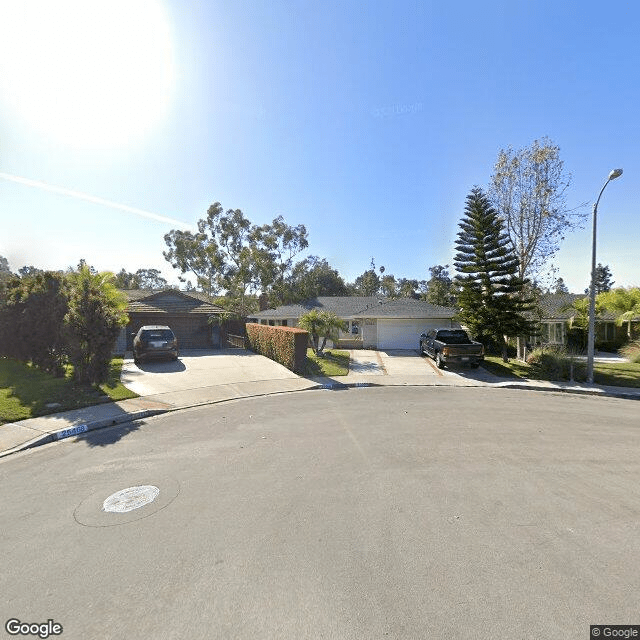
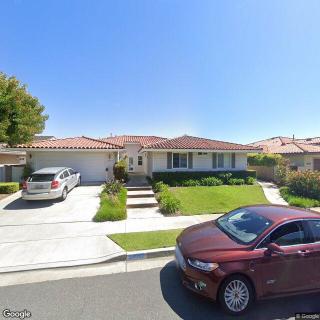
25464 Via Estudio, Laguna Niguel, CA 92677
For more information about senior living options: (866) 208-4318
Laguna Cottage Costs & Pricing
Laguna Cottage offers competitive pricing for assisted living services, particularly when compared to both Orange County and the broader California market. For private rooms, the monthly costs range from $2,400 to $5,500, which is notably lower than the county average of $4,104 and the state average of $3,939. This range provides an accessible entry point for those seeking quality care without excessively high expenses. In contrast, their semi-private rooms are priced at $3,800 per month - slightly above the county rate of $3,431 and the state average of $3,333. Overall, Laguna Cottage presents a valuable option within a challenging financial landscape for those in need of assisted living accommodations.
| Floor plans | Laguna Cottage | Orange County | California |
|---|---|---|---|
| Private | $2,400 to $5,500 | $4,104 | $3,939 |
| Semi-Private | $3,800 | $3,431 | $3,333 |
Memory care communities with a similar price nearby
-
from +$400 / mo
Candlewood Care Home III
$2,800 to $3,400 / month15.6 miles away -
from +$400 / mo
Leah Loving Elderly Care
$2,800 to $3,000 / month19.2 miles away -
from -$400 / mo
John Villa's Home Care
$2,000 to $3,000 / month15.6 miles away -
from +$300 / mo
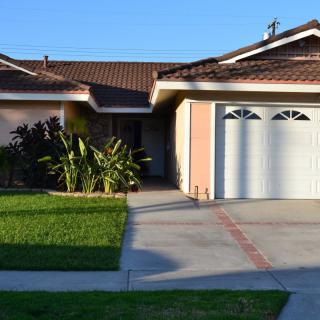
Loving Care Senior Home
$2,700 to $3,500 / month19.3 miles away -
from +$450 / mo
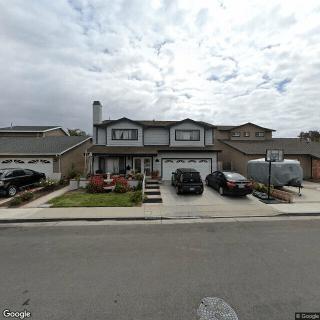
Alternative Senior Care - Freshwater
$2,850 to $3,250 / month21.9 miles away
Overall Review of Laguna Cottage
Cons
 The experience was absolutely terrible.
- The host did not keep the appointment and was not present to show the facility, resulting in a waste of their time.
- The staff on hand were not very helpful.
- They left with little confidence that their aging parents could truly feel safe and efficiently cared for there.
Review
Laguna Cottage in Laguna Niguel is best suited for families that can tolerate a rocky onboarding and place practical factors, location, price, and the ability to visit on their own terms, above a polished, confidence-building tour experience. In practice, the single negative review available paints a picture of an initial encounter that fails to reassure or demonstrate reliable, hands-on care. For families willing to do extra due diligence after stepping through the door, and who are comfortable weighing cost and availability against the absence of a strong first impression, Laguna Cottage may still be worth a closer look. It is not presented here as a first-choice pick for those who require a compelling, professionally coordinated introduction as a baseline requirement.
For those who should consider alternatives, the red flags are meaningful. Families with immediate safety concerns or who rely on a quick, confident evaluation of staffing and care plans will want to look elsewhere. Prospective residents and their handlers who need timely, attentive engagement from administrators and front-line staff during a tour, clear answers, demonstrations of safety features, and a sense that the facility is well-organized, should explore other options first. In short, if a seamless onboarding and a demonstrable commitment to resident safety are non-negotiable, Laguna Cottage is unlikely to satisfy.
The main drawbacks, as described, center on the onboarding process and perceived staff responsiveness. The host did not keep the appointment and was not present to show the facility, turning what should have been a structured introduction into a wasted outing. The on-site staff that were available were described as not especially helpful, contributing to a loss of confidence that aging parents would be safe or efficiently cared for. When the initial experience does not inspire trust or give a clear sense of care standards, it becomes difficult to evaluate whether other aspects, meal service, activities, wellness checks, or emergency response, would truly meet needs. In a decision framework, this combination of no-show leadership and tepid staff engagement is a disproportionate signal against the value proposition.
In weighing any potential positives against these core failings, the review offers no explicit advantages to offset the drawbacks. There are no highlighted strengths such as visible safety features, clear staffing ratios, engaging activities, or transparent care planning. That absence matters: when onboarding quality and staff responsiveness are the benchmarks, the lack of evidentiary positives means the cons dominate the decision calculus. To offset them, meaningful signals would need to appear, an administrator taking responsibility during a tour, a detailed walk-through of safety protocols, and demonstrations that staff can deliver timely, compassionate care in real time.
From a practical decision-making standpoint, several steps can help families reach a more informed conclusion. Schedule a second visit with a different, clearly designated point person who can provide a tour, answer questions in depth, and outline a care approach aligned with specific needs. Request written summaries of licensing, safety features, staffing patterns, and care planning processes, plus references from current residents or families. Bring a list of priorities, emergency procedures, medication management, fall prevention, and daily living support, and press for concrete demonstrations or trial periods where feasible. Ask for a trial day or a shift shadow with staff to observe response times and communication quality.
The bottom line is candid: Laguna Cottage presents a concerning disconnect between expectations and experience, at least based on the available feedback. Families prioritizing a confident onboarding and demonstrable safety commitment should actively compare other communities before moving forward. If a second tour reveals a polished, responsive team with transparent safety practices and a compelling care plan, then the calculus could shift. Until such signals emerge, this option should be approached with guarded scrutiny, and alternatives that offer stronger first impressions and clearer assurances should be prioritized.
 6 resident community capacity
 Assisted Living
 Board and Care Home
 Memory Care
 Activities off-site
 Cable or satellite TV
 Dining room
 Fully furnished
 Garden
 Housekeeping services
 Indoor common areas
 Move-in coordination
 Outdoor common areas
 Private
 Private bathrooms
 Telephone
 Wheelchair accessible showers
 Wi-Fi/high-speed internet available
 John Wayne Orange Co (14 miles away)
 24-hour supervision
 Ambulatory care
 Assistance with bathing
 Assistance with dressing
 Assistance with transfers
 Diabetes diet
 High acuity care
 Incontinence care
 Meal preparation and service
 Medication management
 Special dietary restrictions
 Transportation arrangement (medical)
 Transportation to doctors appointments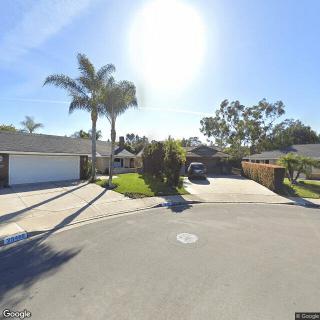
 Intimate 6-bed community with 24-hour supervision and memory care.

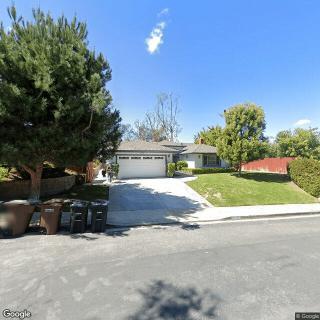



 Understanding Dementia Through Its Seven Stages: A Comprehensive Look at Progression and Expectations
 A Holistic Dementia Care Guide: Effective Strategies for Memory Support
 Comprehensive Insights into Activities of Daily Living (ADLs) and Their Assessment