
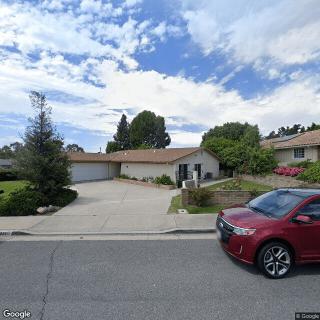
25002 Sausalito Street, Laguna Hills, CA 92653
For more information about senior living options: (866) 208-4318
Overall Review of Verona Court II
Pros
 Verona Court feels like a home, offering a warm, intimate setting with personal attention.
 - They provide complete service, guiding families from rehab to Hospice seamlessly.
- The facility maintains a 3:1 patient-to-caregiver ratio, ensuring significant personal attention.
- Remi and Jun give around-the-clock care, consistently meeting residents' needs.
- Jason the Hospice head nurse delivers regular updates and coordinated care.
- The environment is homelike and welcoming, with rooms, a patio, a living room, and a dining room, and staff are engaging and caring.
Cons
 They described board and care facilities as a business, calling it a very lucrative venture.
- Arda was described as patronizing and unprofessional during the initial contact.
- The reviewer experienced unprofessional behavior, noting that calls were not returned for three weeks.
- ARDA did not respect the reviewer or their father, and it seemed to be all about the money.
- It was suggested that if you don’t have the money, she won’t give you the time of day.
- The process of finding the right placement was described as emotional, stressful, and confusing.
Review
Verona Court II in Laguna Hills is best suited for families seeking an intimate, home-like setting where a loved one can receive intensely personal, around-the-clock care. With only six residents and a small, tight-knit team, this community delivers a level of attentiveness that larger facilities often struggle to match. The arrangement works particularly well for dementia-related decline and end-of-life hospice transitions, where predictability, continuity, and a caring, nurse-led approach matter most. Families can expect hands-on involvement from the owners and a dedicated staff that coordinates every step, from hospital discharge to hospice handoff, so the caregiving burden remains manageable and the patient’s comfort stays front and center.
Alternatives should be on the radar for families prioritizing activities, bigger social networks, or clearer pricing expectations. If a structured daily calendar, routine programming, and a broader community feel are important, Verona Court II may feel too intimate or limit opportunities for engagement. Likewise, families that require transparent, standardized contracts and predictable fee structures, without the impression of ongoing price discussions or “special arrangements” depending on the case, may want to compare other board-and-care or small-assisted living options. In short, Verona Court II excels in personal, one-on-one care; alternatives may better serve those seeking a more expansive, activity-rich environment or firmer financial terms.
The standout positives center on the care model and the setting. The small scale enables a 3:1 resident-to-caregiver ratio, with 24/7 awake staff who are consistently engaged and responsive. Residents benefit from daily routines, home-like common rooms, a dining area, and a back patio, that reinforce normalcy and dignity. The owner, who is an RN, brings depth of clinical insight, and the care team functions as a cohesive unit, often coordinating seamlessly with hospice professionals. Families can rely on regular updates from the staff and have the autonomy to drop in at any time, which minimizes the stress of being away from a loved one during critical days.
On the downside, there are notable cautions that prospective families should weigh carefully. One review highlighted a sense that the facility operates as a business with a strong financial emphasis, which can color initial impressions or interactions with referral partners. Specific criticisms centered on perceived unprofessional communication and inconsistent responsiveness from the owner when budgets or scheduling were discussed. There’s also a perception that the setting, while comforting, lacks the breadth of activities that some residents may expect in a larger community, given the very small resident pool. Taken together, these factors can matter for families who value highly polished customer service and a rich activity calendar alongside medical care.
The strengths of Verona Court II do not vanish because of the cautions; they simply reframe the decision in practical terms. For families navigating end-of-life transitions or dementia care, the intimate environment and hands-on, around-the-clock attention can deliver peace of mind that larger facilities struggle to replicate. The care team’s ability to keep a consistent routine, monitor weight and nutrition, and provide steady communication with hospice services translates into meaningful daily comfort for residents and real relief for families. In such a context, the main drawbacks, pricing perceptions and limited programming, are mitigated by the value of truly individualized care and the ability to stay close to the patient’s needs without the friction of a bigger, more impersonal campus.
For families weighing Verona Court II, the bottom-line question is alignment with care goals and expectations. If the priority is a serene, highly supervised, home-like environment with a devoted, knowledgeable team, Verona Court II stands out as a practical, capable option. If the priority is robust activity programming, a larger community social ecosystem, or fully transparent, fixed-price contracts, alternatives should be explored. The right choice hinges on whether the loved one’s days will be defined by intimate conversations, consistent one-on-one attention, and a peaceful end-stage trajectory, or by broader social opportunities and corporate-style clarity on costs. Engage directly with the team, ask pointed questions about pricing terms and service inclusions, and, where possible, observe a live interaction with current residents to determine if the vibe and rhythm truly fit the family’s care philosophy.
 6 resident community capacity
 Assisted Living
 Board and Care Home
 Cable or satellite TV
 Dining room
 Fully furnished
 Garden
 Housekeeping services
 Move-in coordination
 Outdoor space
 Telephone
 Wi-Fi/high-speed internet available
 John Wayne Orange Co (12 miles away)
 24-hour supervision
 Activities of daily living assistance
 Assistance with bathing
 Assistance with dressing
 Assistance with transfers
 Diabetes diet
 Meal preparation and service
 Medication management
 Special dietary restrictions
 Transportation arrangement (medical)
 Transportation to doctors appointments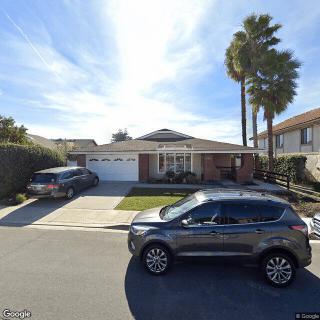



 Social Security Benefits and Assisted Living: Navigating Options Across the U.S.
 An Extensive Exploration of the VA Aid and Attendance Benefit
 Senior Transition Services: Understanding Their Role, Cost, and Importance