
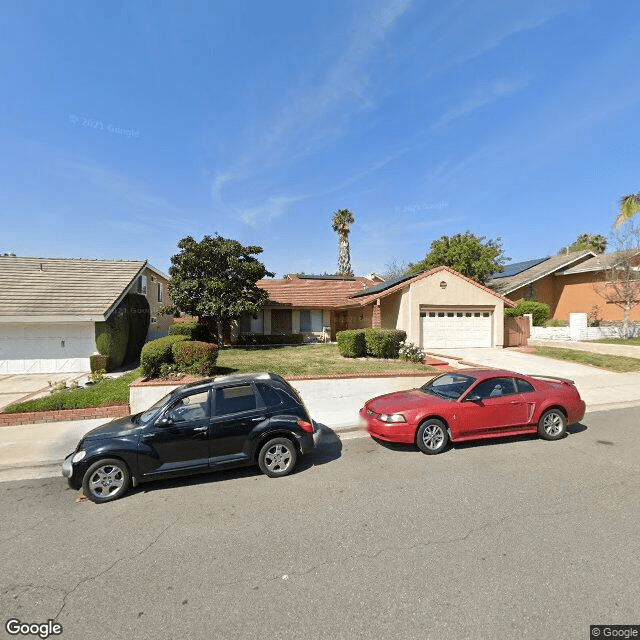
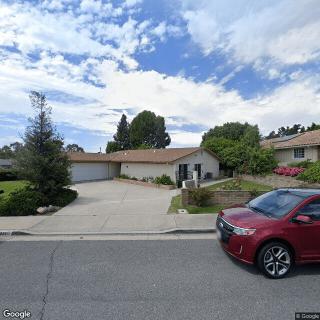
25321 De Salle St, Laguna Hills, CA 92653
To contact a resident: (949) 533-4025
For more information about senior living options: (866) 208-4318
Golden Coast Senior Living #11 Costs & Pricing
Golden Coast Senior Living #11 offers competitive pricing for its residents, particularly when comparing costs to both Orange County and the broader California state averages. For a semi-private room, Golden Coast's rate of $3,500 is slightly above the Orange County average of $3,431 and notably higher than the state average of $3,333. In contrast, their private rooms are priced at $4,500, which exceeds both the county's average of $4,104 and California's average of $3,939. These figures suggest that while Golden Coast Senior Living #11 provides quality care and amenities worth the investment, prospective residents should weigh these costs against other local options to determine the best fit for their needs.
| Floor plans | Golden Coast Senior Living #11 | Orange County | California |
|---|---|---|---|
| Semi-Private | $3,500 | $3,431 | $3,333 |
| Private | $4,500 | $4,104 | $3,939 |
Senior living communities with a similar price nearby
-
About the same
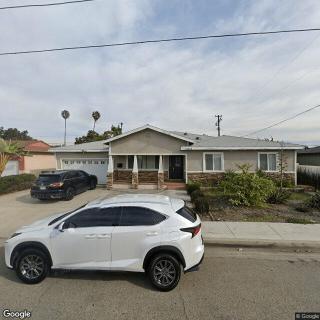
Loving Home Care
$3,500 to $4,500 / month21.6 miles away -
from +$500 / mo
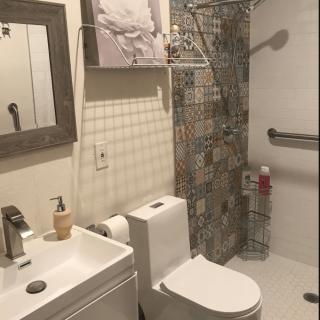
Loving Care Facility for the Elderly
$4,000 to $5,975 / month24.9 miles away -
About the same
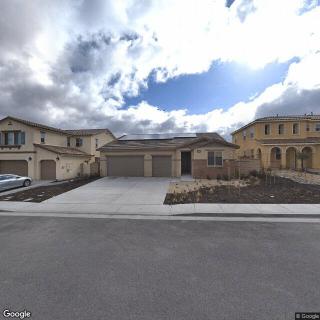
Kun Bai Care
$3,500 to $4,500 / month23.9 miles away -
from -$500 / mo
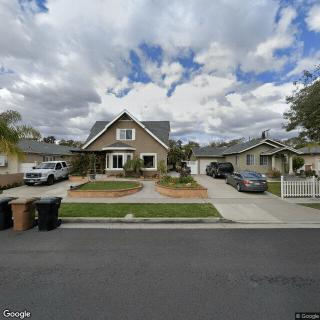
Tabi's Facility Home Care
$3,000 to $3,500 / month24.7 miles away -
About the same

Sam's Homecare
$3,500 to $5,500 / month22.1 miles away
Overall Review of Golden Coast Senior Living #11
Pros
 The staff serve residents with love and compassion.
- Families can visit frequently in a beautiful, informal setting.
- Residents fit in right away.
- The care provided is outstanding and top-notch.
- Caregivers are very compassionate and patient.
- On-call doctors visit the homes and provide excellent care.
- The homes feel like a welcoming, home-like environment and come highly recommended.
Cons
 The move was stressful until day #1.
- He is difficult at times.
Review
Golden Coast Senior Living #11 in Laguna Hills is best suited for families that prize a warm, home-like atmosphere where a small, caregiver-driven operation translates into highly personalized attention. This community shines for residents who want casual, informal settings, ready access for family visits, and a trusted, hands-on staff approach. The environment feels like a residence rather than a sterile campus, with staff who know residents by name and respond with patience and warmth. It is especially well-matched for seniors who need assistance with daily living but still value dignity, comfort, and regular, meaningful interactions with caregivers.
Those who may want to consider alternatives are those whose loved ones require robust medical oversight, specialized memory-care programming, or a wider array of on-site amenities and structured activities typical of larger communities. For residents needing heavy 24/7 medical nursing, dedicated dementia units, or a formal, highly scheduled activity calendar, a bigger facility with more resources might deliver the consistency and clinical depth that some families expect. Families should also weigh whether they prefer a more impersonal, campus-style setting with standardized routines versus the intimate, homey feel this location provides.
The strongest pros here cluster around staff and the atmosphere of care. Family visits are welcomed and easy, because staff cultivate genuine rapport and a transparent, approachable vibe. Caregivers are described as patient, compassionate, and reliable, with responses that are prompt and clear whenever questions arise. The environment itself reinforces these strengths: clean, well-presented staff, and a setting that feels comfortable and “like home.” On-site medical support is highlighted as a meaningful asset, with on-call doctors visiting, contributing to a sense of safety and continuity without necessitating frequent hospital-level interventions. When a move-in is managed smoothly, an adjustment period appears to pass quickly, the overall experience becomes deeply reassuring for families seeking peace of mind.
Another layer of value comes from the ownership model and affordability. The homes are portrayed as approachable, with a commendable level of care for the price, which matters to families balancing budgets with quality care. The caregiver team’s dedication appears to be a differentiator that helps offset the sacrifices families often associate with small operator homes: fewer bells and whistles, more focus on daily kindness and consistent staffing. This combination, home-like setting, compassionate staff, accessible medical input, and affordability, offsets potential limitations inherent in smaller operations, particularly for seniors who thrive in familiar routines and steady caregiver relationships.
A note of caution accompanies the positives. One reviewer issued a lower rating, signaling that not every family’s experience will align with the ideal described here. The specifics aren’t detailed, but this caveat suggests that expectations around transition, communication consistency, or day-to-day rhythm can vary. That potential variance is exactly where the strong pros matter most: the same staff that delivers warmth and prompt responses can also be the barometer for how well the community handles bumps in the road. Families should probe during tours about communication protocols, staff assignments, and how transitions are managed when a move-in is imminent, to ensure alignment with what matters most.
In sum, Golden Coast Senior Living #11 is a practical, well-suited choice for families seeking a compassionate, home-centered living option with strong staff relationships and affordable care. It excels when the priority is daily warmth, easy family engagement, and reliable, on-demand medical input without the formality of a large campus. For those needing extensive clinical oversight, specialized memory care, or a bustling, activity-rich environment, alternatives with broader medical resources or larger-scale programming may be a better fit. Prospective families should visit with questions about move-in processes, caregiver continuity, and on-call physician access to substantiate that the strengths align with their loved one’s exact needs.
 Board and Care Home
 Activities off-site
 Beautician on-site
 Devotional services off-site
 Indoor common areas
 Outdoor common areas
 Private
 Private bathrooms
 Wheelchair accessible showers
 John Wayne Orange Co (12 miles away)
 Diabetic care
 High acuity care
 Meals provided
 A Closer Look at Private Pay Home Care
 Comprehensive Approaches for Arthritis: A Detailed Guide to Symptoms, Causes, and Care
 Comprehensive Insights and Practical Strategies to Help Older Adults Avoid Falls