
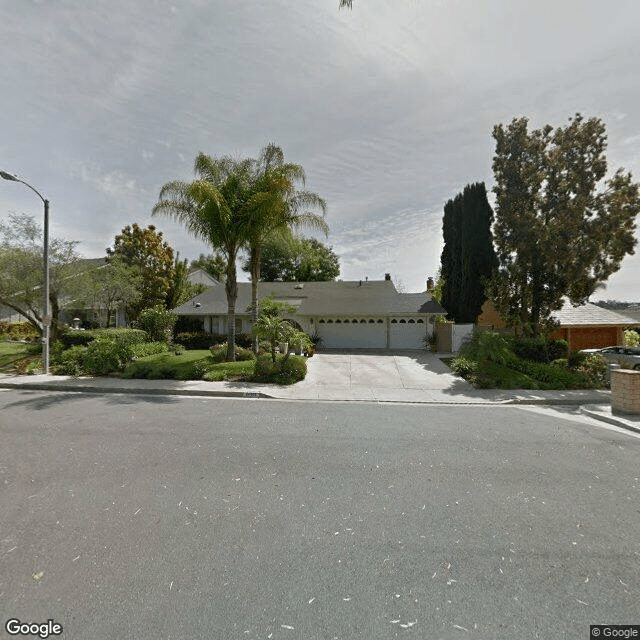
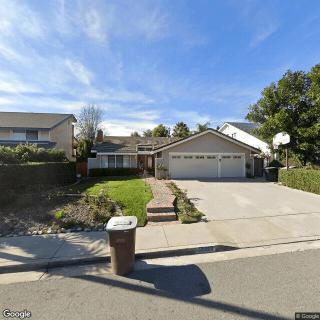
24982 Wilkes Place, Laguna Hills, CA 92653
For more information about senior living options: (866) 208-4318
Golden Age Senior Homes Costs & Pricing
Golden Age Senior Homes offers competitive pricing for senior care compared to broader regional costs. For semi-private rooms, Golden Age charges $3,000 per month, which is notably lower than the average rates in Orange County at $3,431 and California at $3,333. In the case of private rooms, the monthly fee at Golden Age is $3,500 - again a more affordable option when contrasted with Orange County's average of $4,104 and California's statewide rate of $3,939. This pricing strategy not only underscores Golden Age's commitment to providing accessible care but also positions it as a cost-effective choice for families seeking quality senior living solutions.
| Floor plans | Golden Age Senior Homes | Orange County | California |
|---|---|---|---|
| Semi-Private | $3,000 | $3,431 | $3,333 |
| Private | $3,500 | $4,104 | $3,939 |
Assisted Living communities with a similar price nearby
-
from +$500 / mo
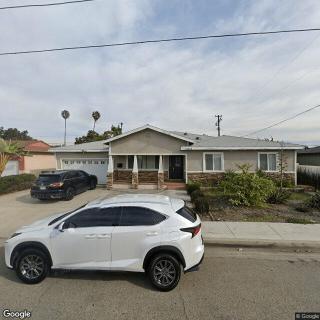
Loving Home Care
$3,500 to $4,500 / month20.9 miles away -
from -$200 / mo
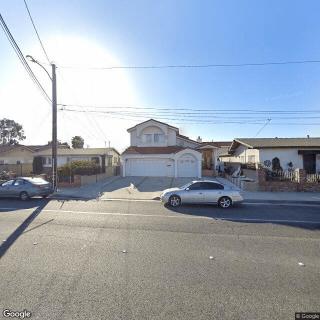
Leah Loving Elderly Care
$2,800 to $3,000 / month16.3 miles away -
from -$300 / mo
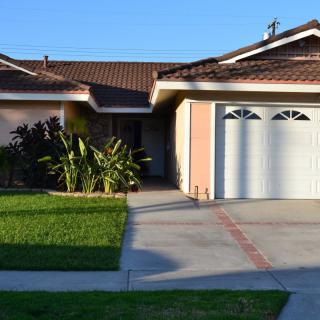
Loving Care Senior Home
$2,700 to $3,500 / month16.7 miles away -
About the same
Tabi's Facility Home Care
$3,000 to $3,500 / month24.0 miles away -
from +$500 / mo

Sam's Homecare
$3,500 to $5,500 / month21.7 miles away
Overall Review of Golden Age Senior Homes
Pros
 The mother was immediately happy to be there and felt she was being cared for in the best way.
- The family was pleased with the caregivers and what they had accomplished for Mom.
- She is in a safe place with good people.
- The nurse provided exceptional care.
- The family felt lucky to have found this place after considering several alternatives.
Cons
 They take terrible care of their residents.
- They do not brush residents' teeth, properly bathe or shower them, or treat them nicely.
- They have residents who live there with bruises on their bodies.
- They transported the mother-in-law to the wrong mortuary after death.
- They could not locate essential documents such as the Health Care Directive and other records.
- They showed disrespect by not returning phone calls.
- They have no RN on site (only on call) and do not operate a Skilled Nursing Facility on site.
Review
Golden Age Senior Homes in Laguna Hills is best suited for families seeking a small, home-like residential setting with a caregiving rhythm that feels personal and familiar, particularly for seniors with dementia who respond to steady, hands-on attention from caregivers who share a cultural touchstone described in several accounts. The model leans away from hospital-like medical intensity and toward everyday support, safety, and companionship. For families prioritizing warmth, predictable routines, and language-tamiliar caregiving, this community can be a fit. It does not, however, offer the medical backbone of a skilled nursing facility, and that distinction matters when medical oversight or on-site nursing is essential. Prospective buyers should measure the fit against the need for robust clinical oversight and flawless administrative execution.
Alternatives should be strongly considered for families demanding consistent, on-site RN coverage, meticulous record-keeping, and a transparent, intervention-ready care plan. Multiple reviews flag concerns about care quality, documentation, and responsiveness, including missed calls and disorganization around mortality documentation. If a loved one requires regular nursing assessments, complex wound care, medication management at a high level, or a systemized approach to family communication, a facility with on-site licensed nursing staff and more formal internal controls is likely a safer match. Also consider facilities with stronger references and longer-standing reputations for hospitalization-level vigilance and incident response.
On the plus side, the strongest positives center on a sense of safety and personalized attention when care is present. Families who praise the caregiving staff highlight immediate happiness and a perception of being cared for, with a stable, small-house environment that feels approachable. The Japanese-influenced ownership and staff composition, along with language and cultural familiarity, can translate into meaningful rapport for residents and families seeking a culturally resonant setting. The facility reportedly accommodates Alzheimer’s and related conditions and operates multiple homes in the area, which can offer consistency of staff and a familiar care approach within a small-network model. These advantages help offset the desire for a less clinical atmosphere and can make daily life more harmonious for certain residents.
Yet the execution gaps loom large. The same body of reviews cites troubling instances of neglect, brushing teeth or bathing inconsistently, signs of distress on residents, and even bruising, that cannot be dismissed as mere anecdotes. A troubling pattern also emerges around administrative lapses and miscommunication around a loved one’s death and essential paperwork, including Health Care Directives and disposition details. The on-site nursing footprint is described as absent or on-call rather than round-the-clock, which means medical judgment and rapid response may not meet the expectations of families accustomed to more formal nursing oversight. For families with high medical needs or a requirement for rigorous risk management, these factors are meaningful red flags.
To evaluate responsibly, approach a tour with a tight checklist: ask about RN staffing on-site versus on-call, nurse-to-resident ratios, and what medical tasks are performed in-house versus by outside providers; review the latest state licensing and inspection reports for safety and care deficiencies; request to speak with current residents and their families about responsiveness and complaint handling; probe the facility’s process for care plans, medication management, incident reporting, and documentation, including how Health Care Directives and other critical papers are stored and accessed. Inquire about daily routines, stimulation for high-energy residents, and the scope of activities designed for dementia care to ensure engagement matches the needs of the loved one.
In the end, Golden Age Senior Homes offers a practical, intimate option for families prioritizing warmth, culture-aligned caregiving, and a non-institutional atmosphere, provided the primary priority is not advanced medical oversight or faultless administrative reliability. For seniors whose care needs are largely behavioral and social, or for families seeking a culturally resonant, small-home setting, this community can deliver meaningful comfort and safety. For those requiring on-site nursing, meticulous operations, and consistently flawless communication, alternatives with stronger clinical infrastructure are advisable. The decision should hinge on the balance between desired homelike warmth and the necessity for robust medical and administrative rigor.
 6 resident community capacity
 Assisted Living
 Board and Care Home
 Respite Care
 Cats allowed
 Dogs allowed
 Activities off-site
 Cable or satellite TV
 Devotional services off-site
 Dining room
 Fully furnished
 Garden
 Housekeeping services
 Indoor common areas
 Move-in coordination
 Outdoor common areas
 Private
 Telephone
 Wheelchair accessible showers
 Wi-Fi/high-speed internet available
 John Wayne Orange Co (11 miles away)
 24-hour supervision
 Ambulatory care
 Assistance with bathing
 Assistance with dressing
 Assistance with transfers
 Diabetes diet
 Diabetic care
 High acuity care
 Incontinence care
 Meal preparation and service
 Medication management
 Special dietary restrictions
 Transportation arrangement (medical)
 Transportation to doctors appointments
 Christian services

 How and When Medicaid May Cover Assisted Living Costs
 A Detailed Exploration of Assisted Living Medicaid Waivers Across the United States
 Comprehensive Residential Support and Assisted Living Solutions for Individuals with Disabilities